

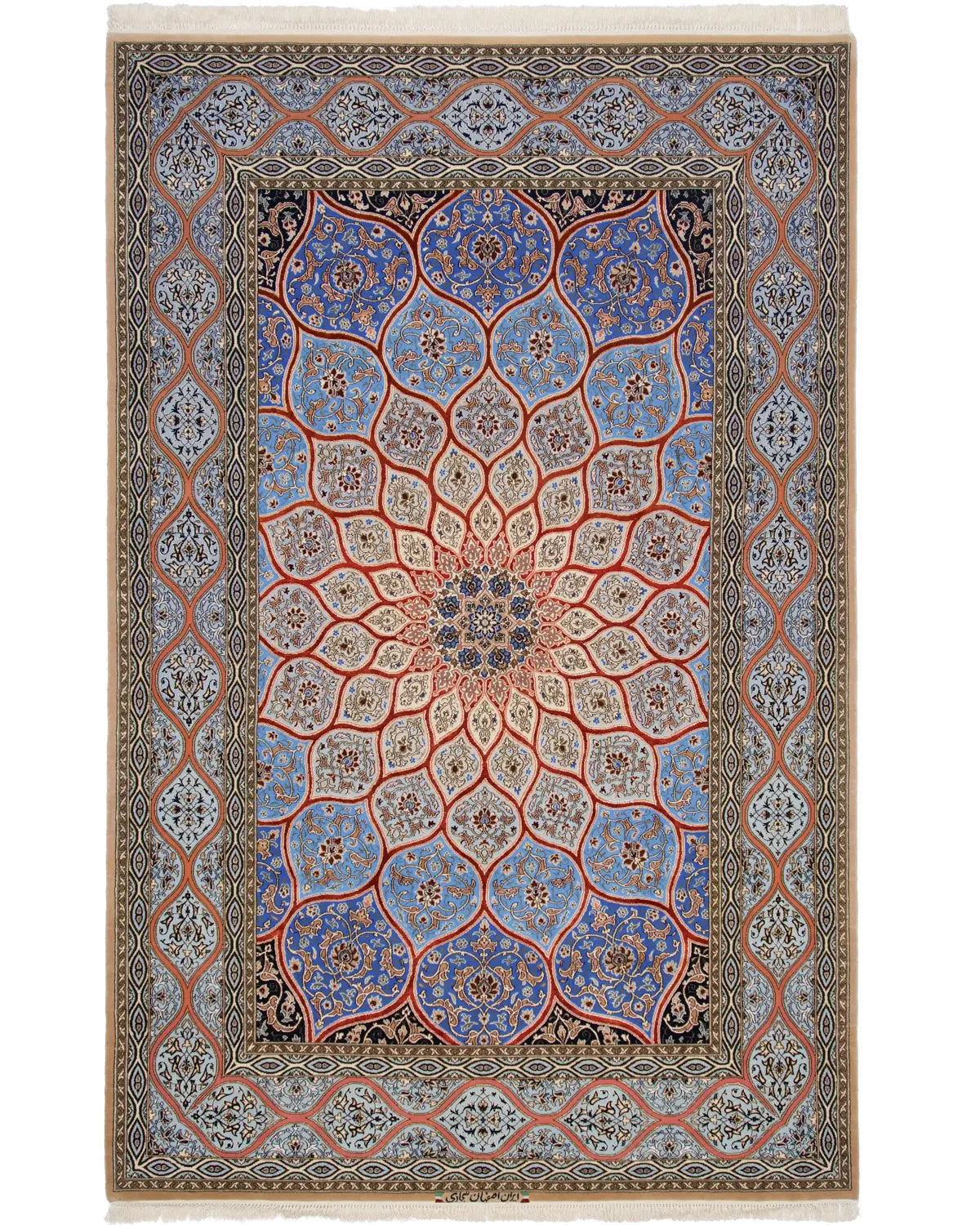
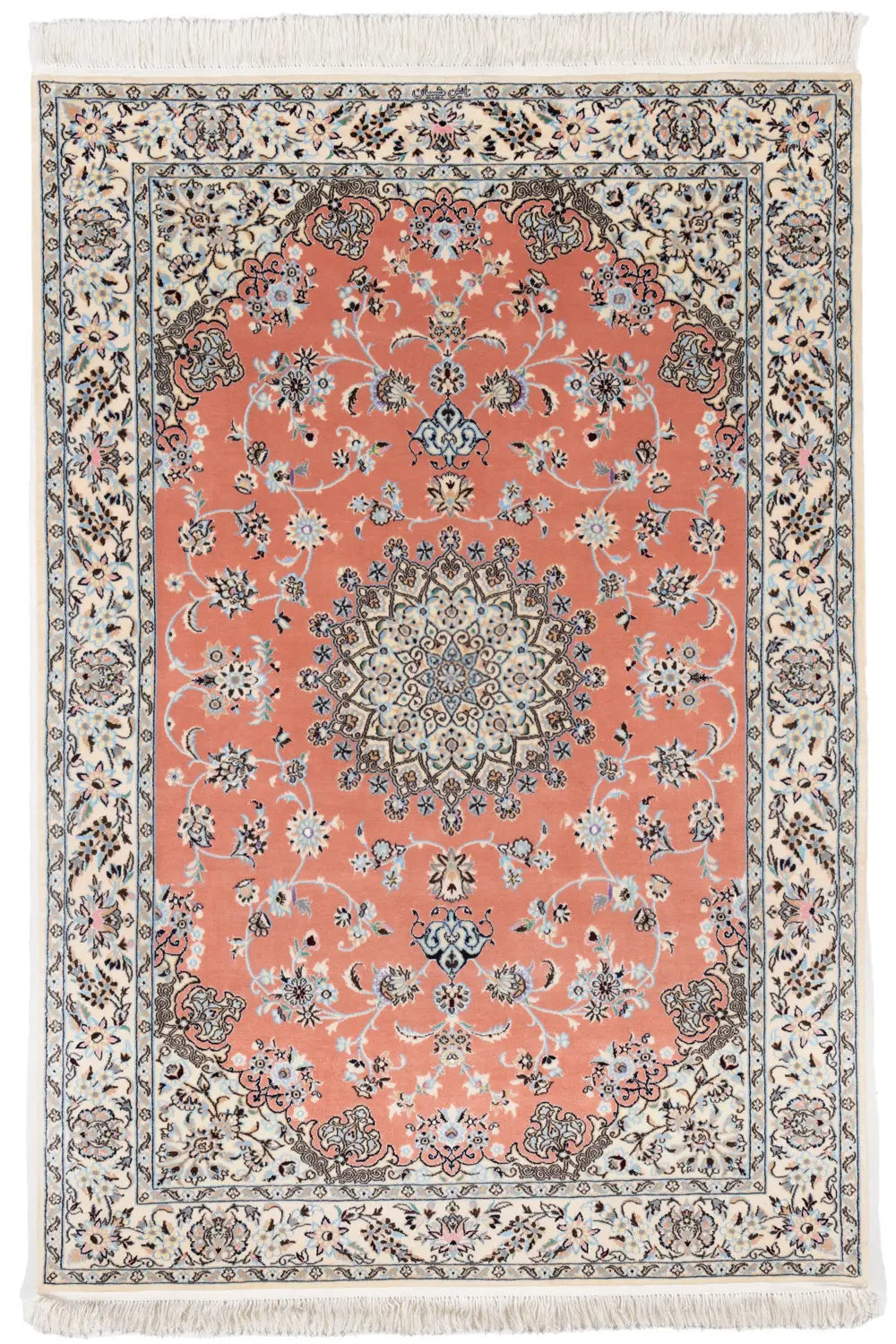

The tradition of handwoven carpets began thousands of years ago in Central Asia. This ancient craft has long captivated people, and its beauty continues to endure in the modern age. Passed down through generations, the art of weaving has been refined over centuries and now represents tradition, sustainability, exceptional craftsmanship, and the cultural heritage of diverse regions. In today’s fast-paced consumer society, these enduring values are being rediscovered and appreciated as a source of consistency and depth.
We aim to provide essential insights into the origins and unique characteristics of handwoven carpets. These rugs are far more than decorative floor coverings—they are individual works of art shaped by months of meticulous labor and years of experience. In this section, we introduce a glimpse into the rich history of oriental rugs from various traditions.
This site is designed for those considering the purchase of a genuine handwoven carpet, as well as for anyone who wishes to deepen their understanding of this remarkable art form. Our goal is to offer trustworthy information and help you discover the timeless beauty and cultural richness of handwoven carpets.

Origin
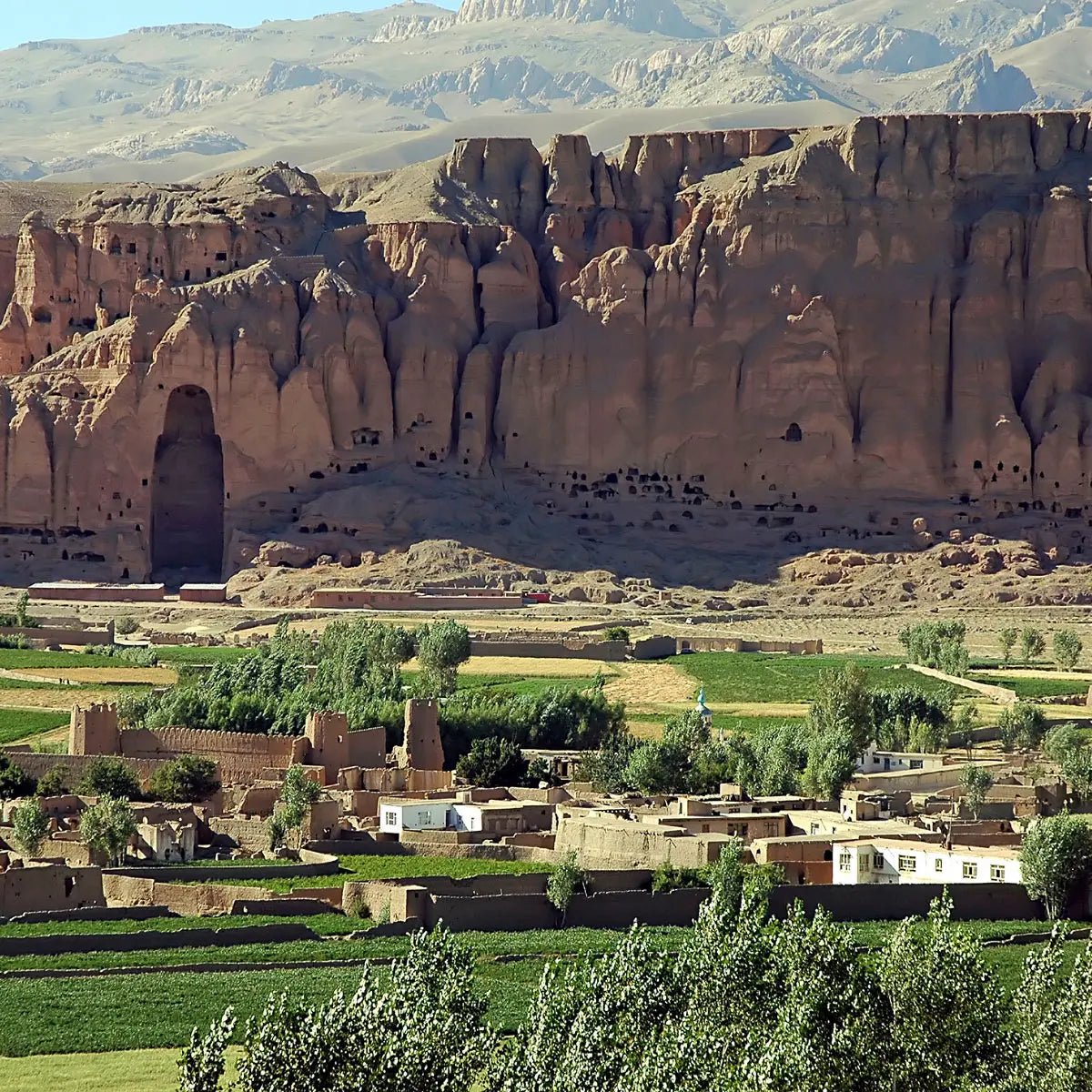
The designs and names of handmade rugs are rooted in the culture and history of their regions and countries. Major producing countries include Iran (formerly Persia), Pakistan, Afghanistan, Turkey, and Morocco.


Types of Rugs
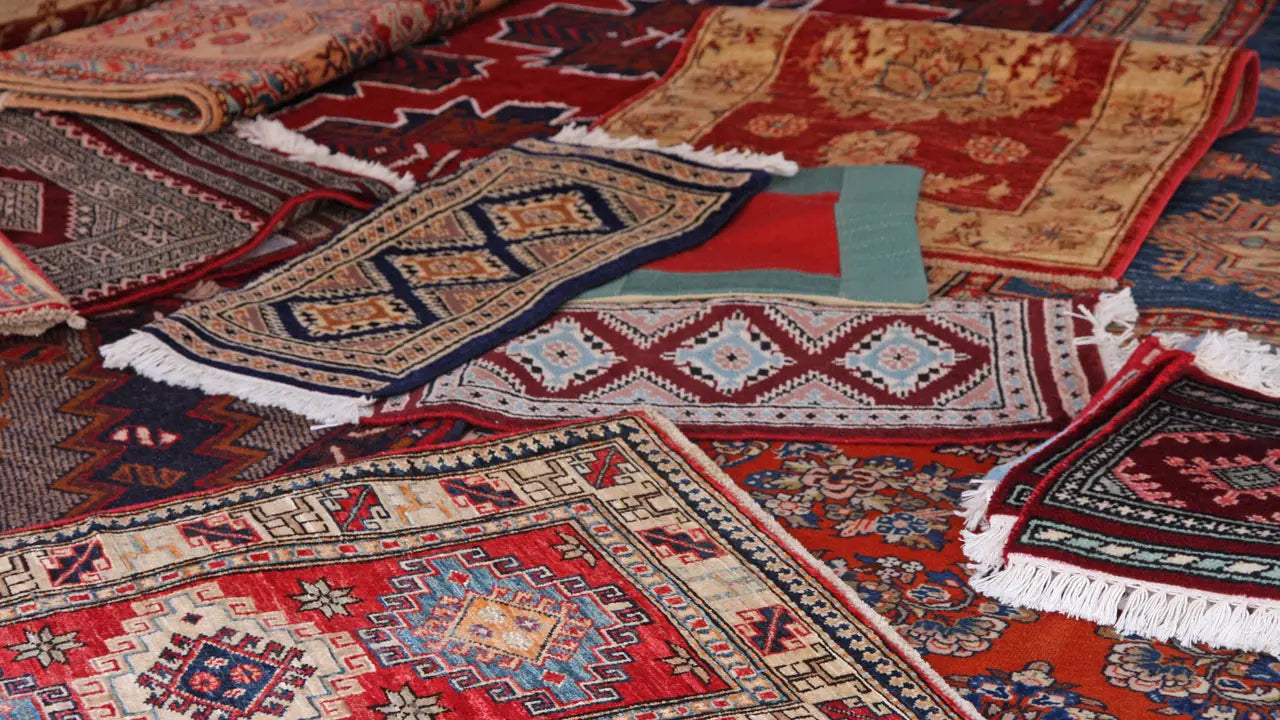
Handmade rugs come in various types based on their weaving structure and intended use.

