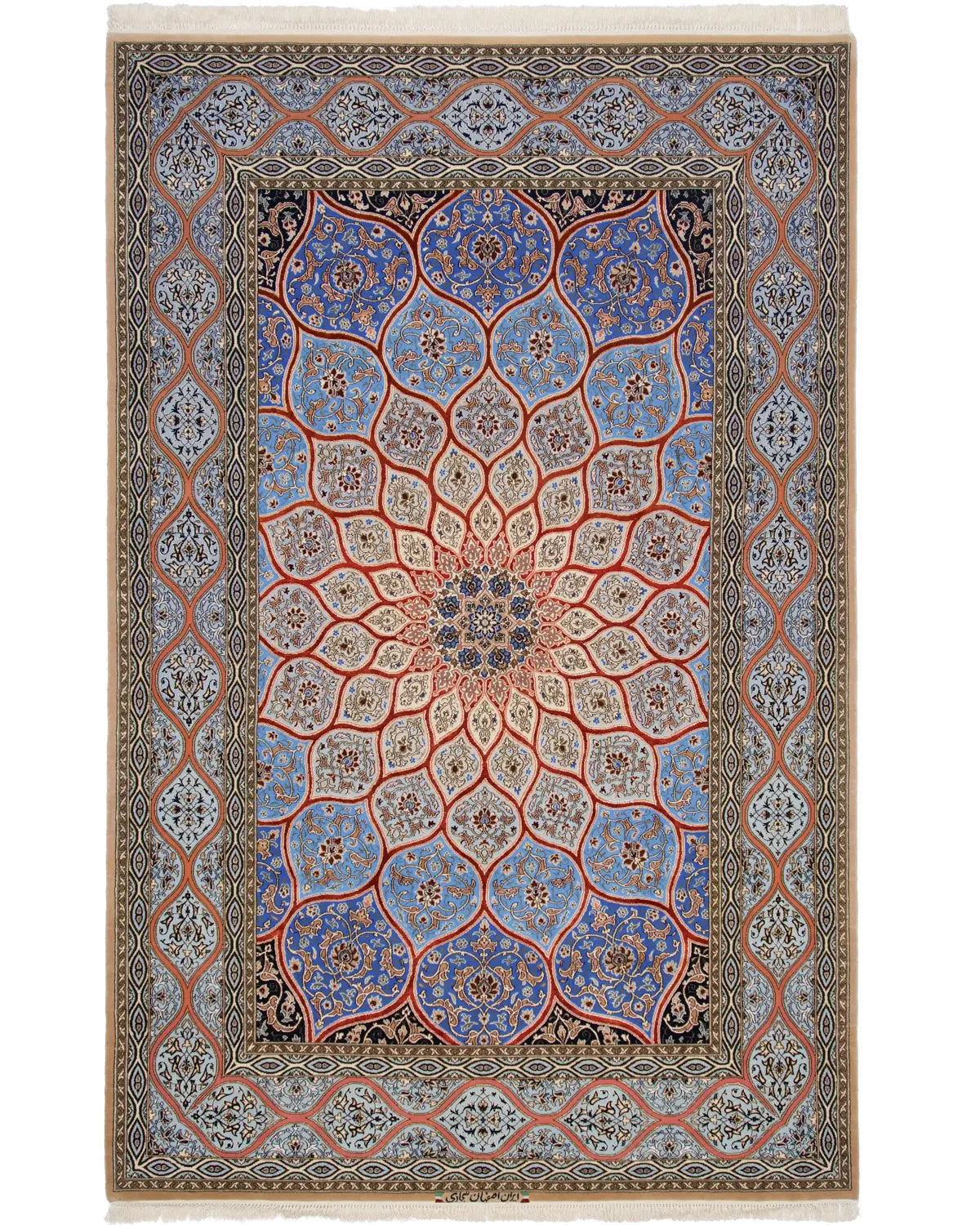
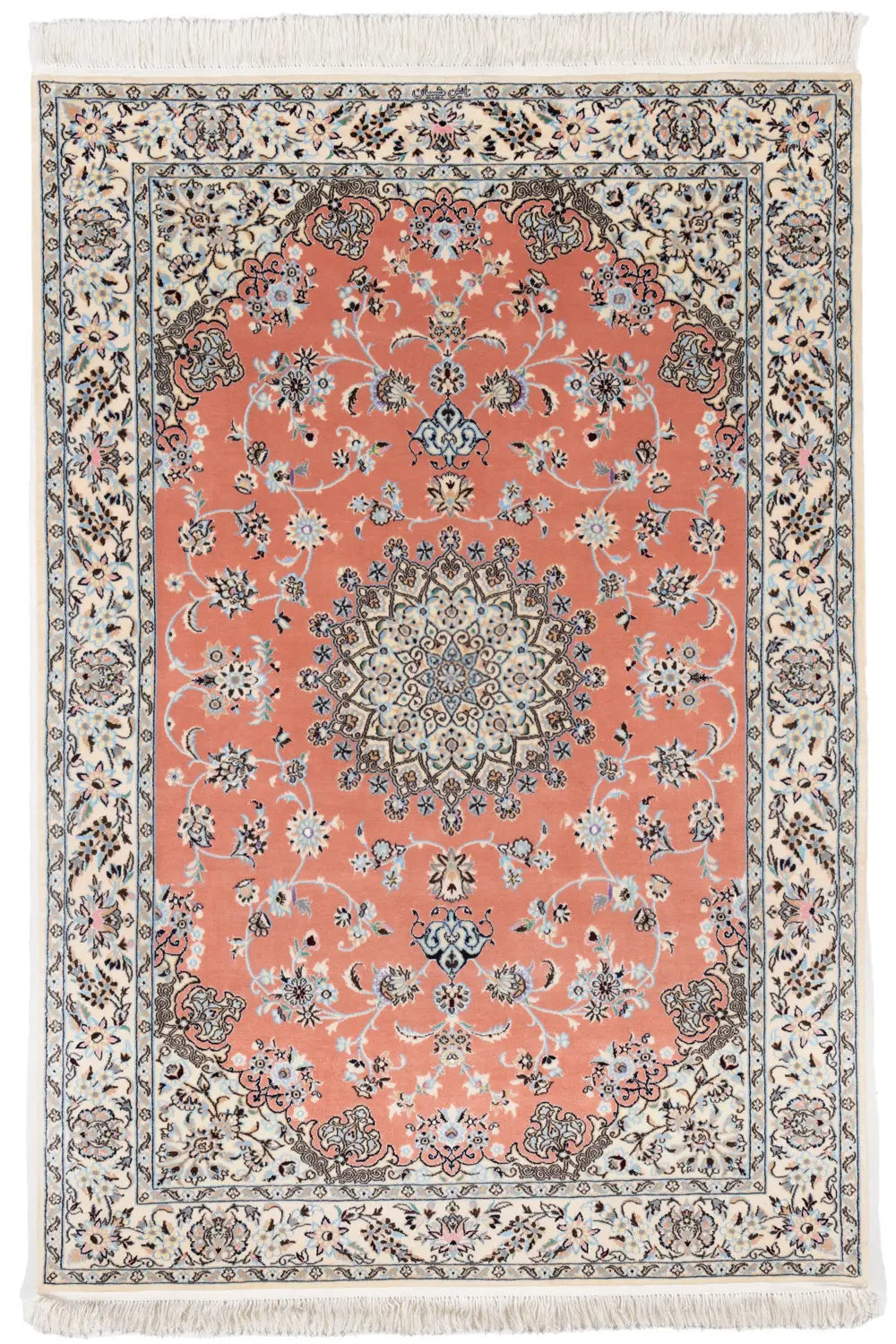


The history of Kashmir began as a center of Buddhism, where Hinduism spread, and both religions coexisted. After the Mongol invasion in the 14th century, Islam governed for about five centuries, and later it was annexed by the Sikh Kingdom of Punjab and the Dogra Kingdom of Jammu. Today, it is known as a culturally significant producer of Kashmir silk, a disputed territory among India, Pakistan, and China.
Geographical and Climatic Features of the Kashmir Region
The Kashmir region is divided among Pakistan, India, and China. India governs the largest area (approximately 101,338 square kilometers), followed by Pakistan with about 85,846 square kilometers, and China with around 37,555 square kilometers. The climate of this region varies with altitude; in the lowlands, summers are hot and humid, while winters are cold and humid. In the highlands, summers are short and cool, and winters are long and cold.
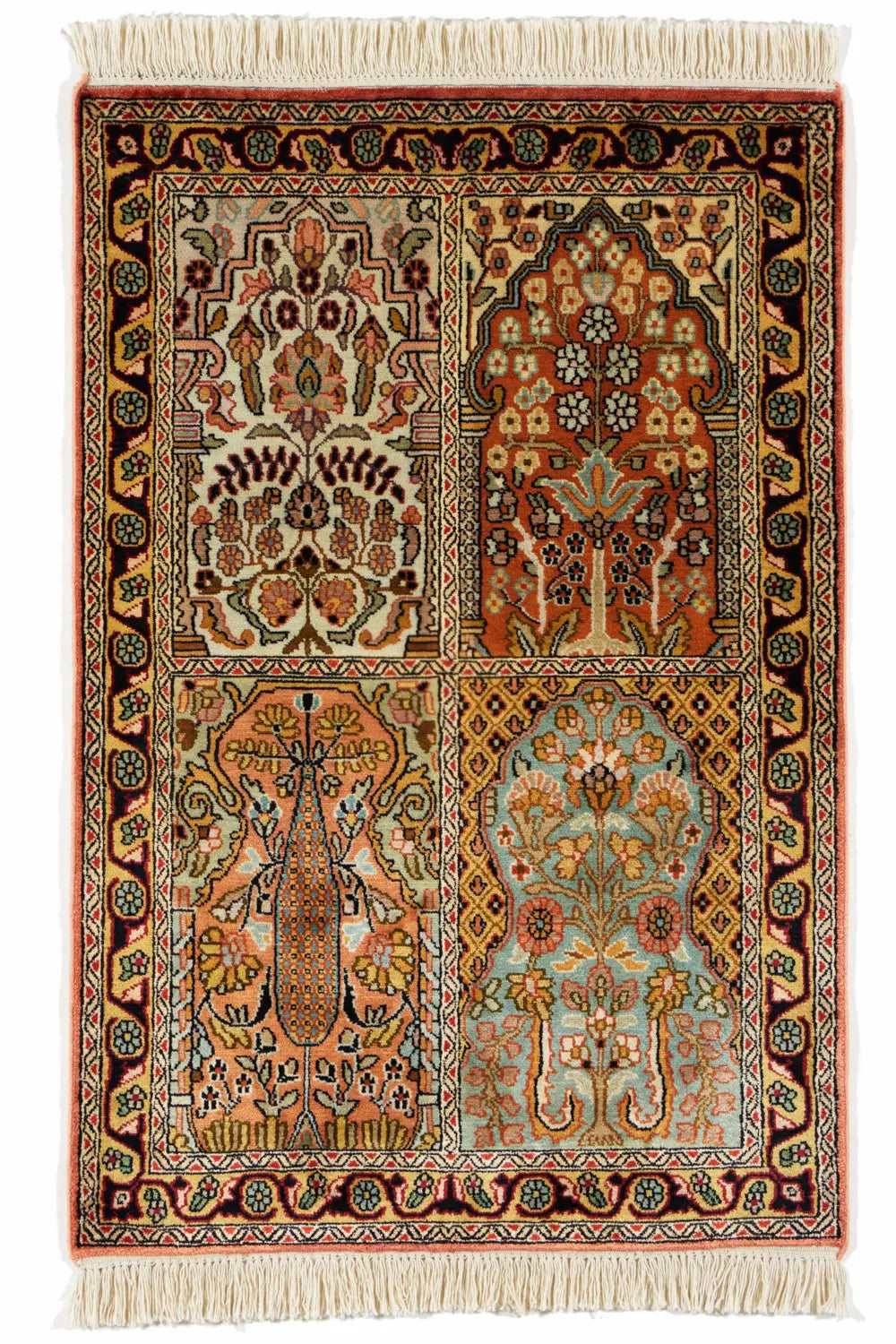
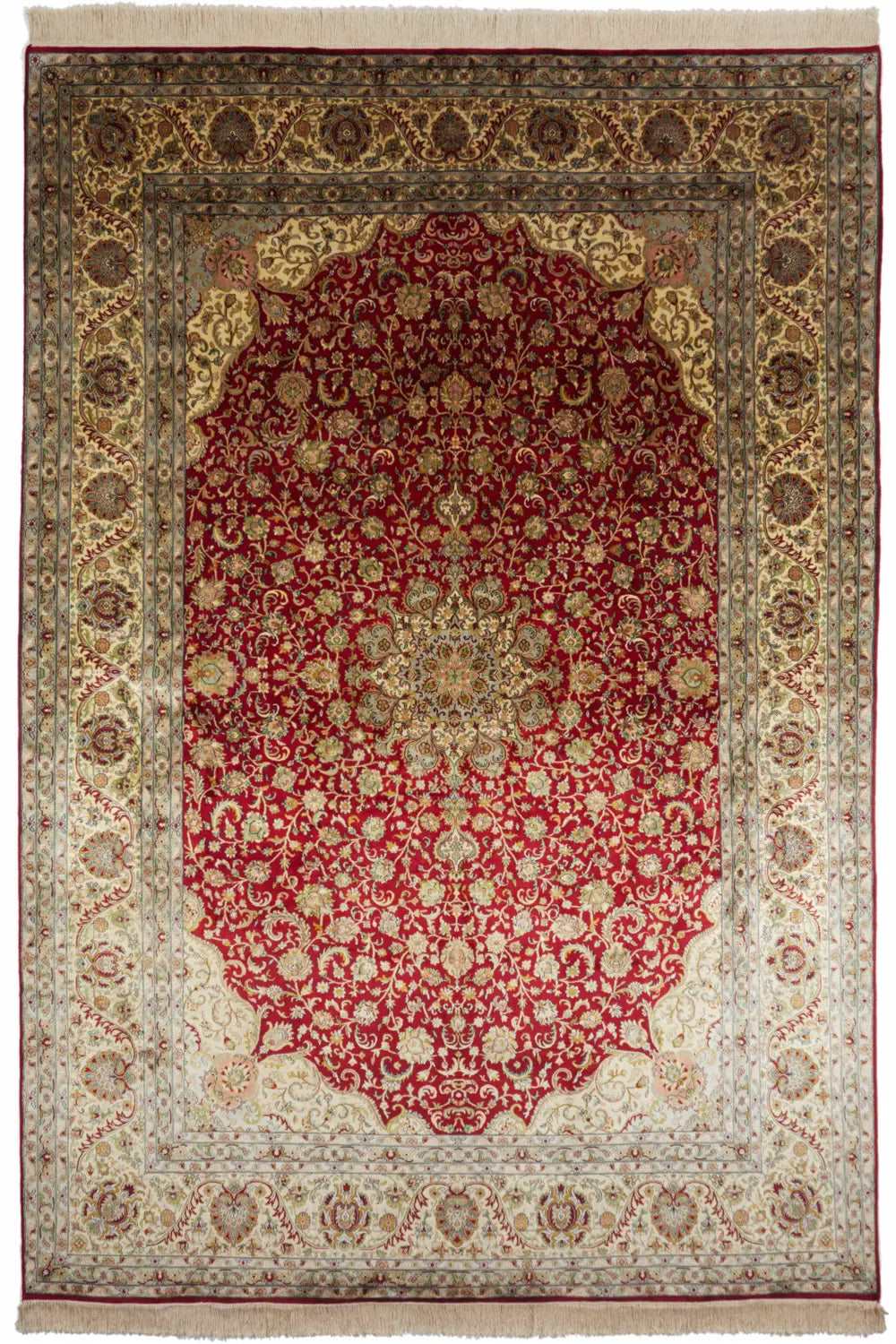
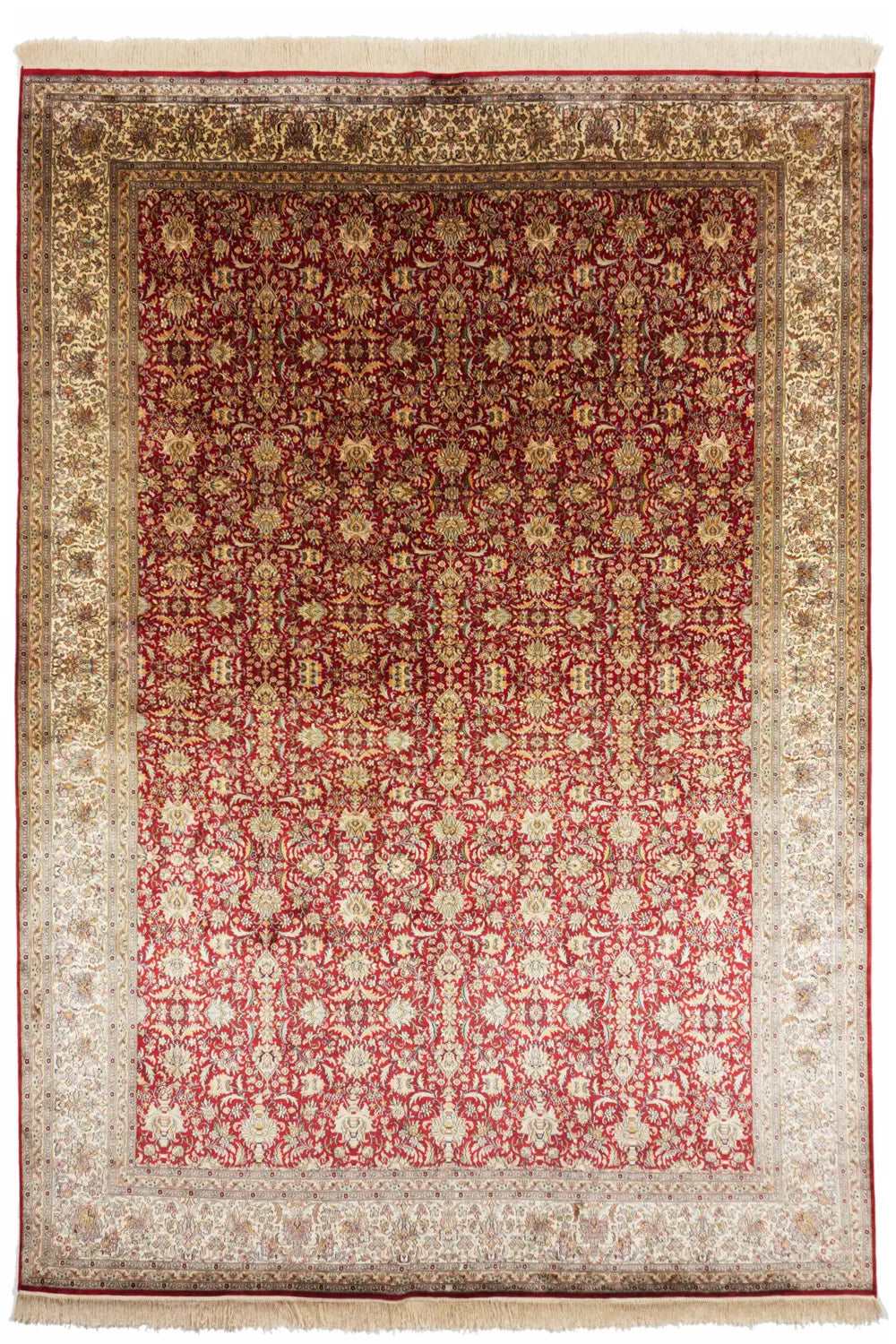
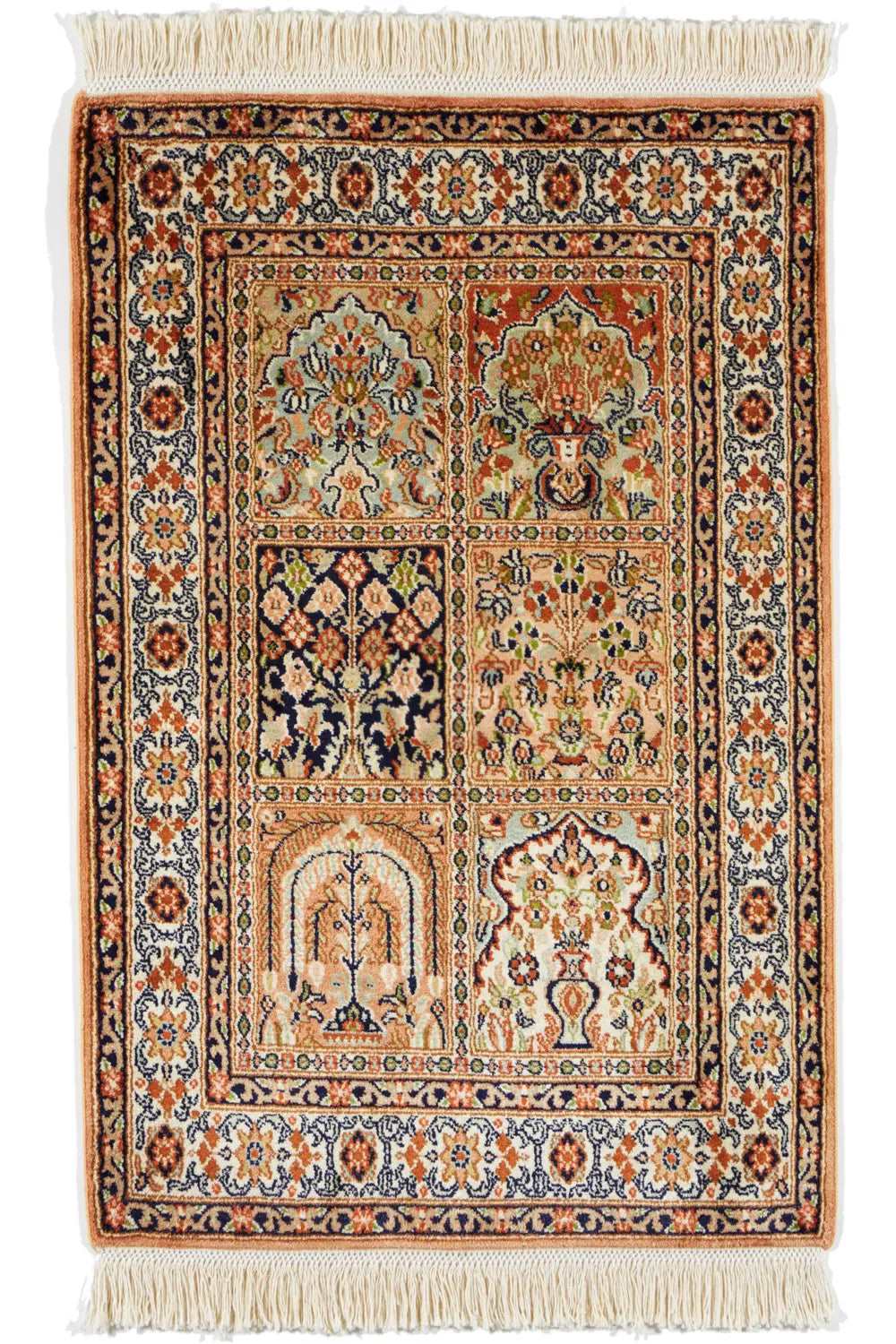
Kashmir's culture is influenced by Central Asia and Persia, characterized by dance, music, cuisine, and carpet weaving. Traditional costumes are colorful, with women wearing jewelry and men donning kurta pajamas, and handicrafts, especially Pashmina shawls and handwoven carpets, are famous. The culture of Kashmir is also rooted in dance and music, with vibrant performances enjoyed during festivals.
The Process of Kashmir Silk Production
1. Mulberry Cultivation: Mulberry, the staple food for silkworms, is cultivated.
2. Silkworm Rearing: A type of silkworm called Bombyx mori is raised to produce cocoons that serve as the raw material for silk. This silkworm cannot fly and has a short lifespan, laying around 500 eggs. The eggs are stored at a temperature of 18°C to 25°C.
3. Cocoon Collection: Silk threads are extracted from the cocoons created by mature silkworms to obtain raw silk. This thread is a long, continuous protein-based strand spun by the silkworms.
4. Thread Unraveling: The process of unraveling silk threads from the collected cocoons is carried out.
5. Dyeing: The unraveled silk threads are dyed.
6. Spinning: The dyed silk threads are transformed into a form suitable for weaving.
Kashmiri silk is soft and high-quality, known for its unique luster and long fibers. These silks are woven with very fine knots and are said to last at least 30 years without issues.
Kashmir silk carpets are characterized by their sheen and softness, and due to their high quality, they are valued worldwide. An increase in demand in the luxury market and internationally is anticipated in the future.