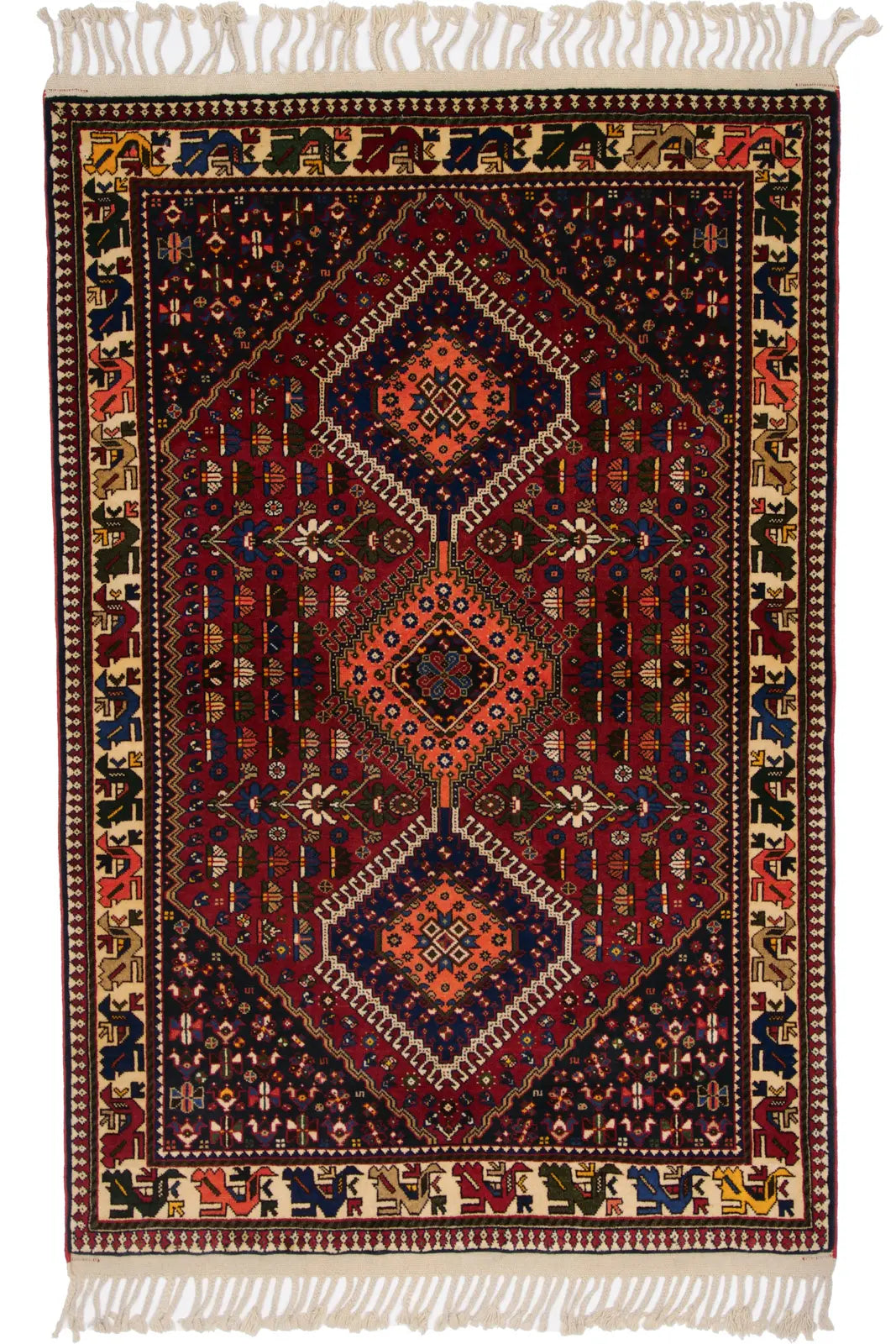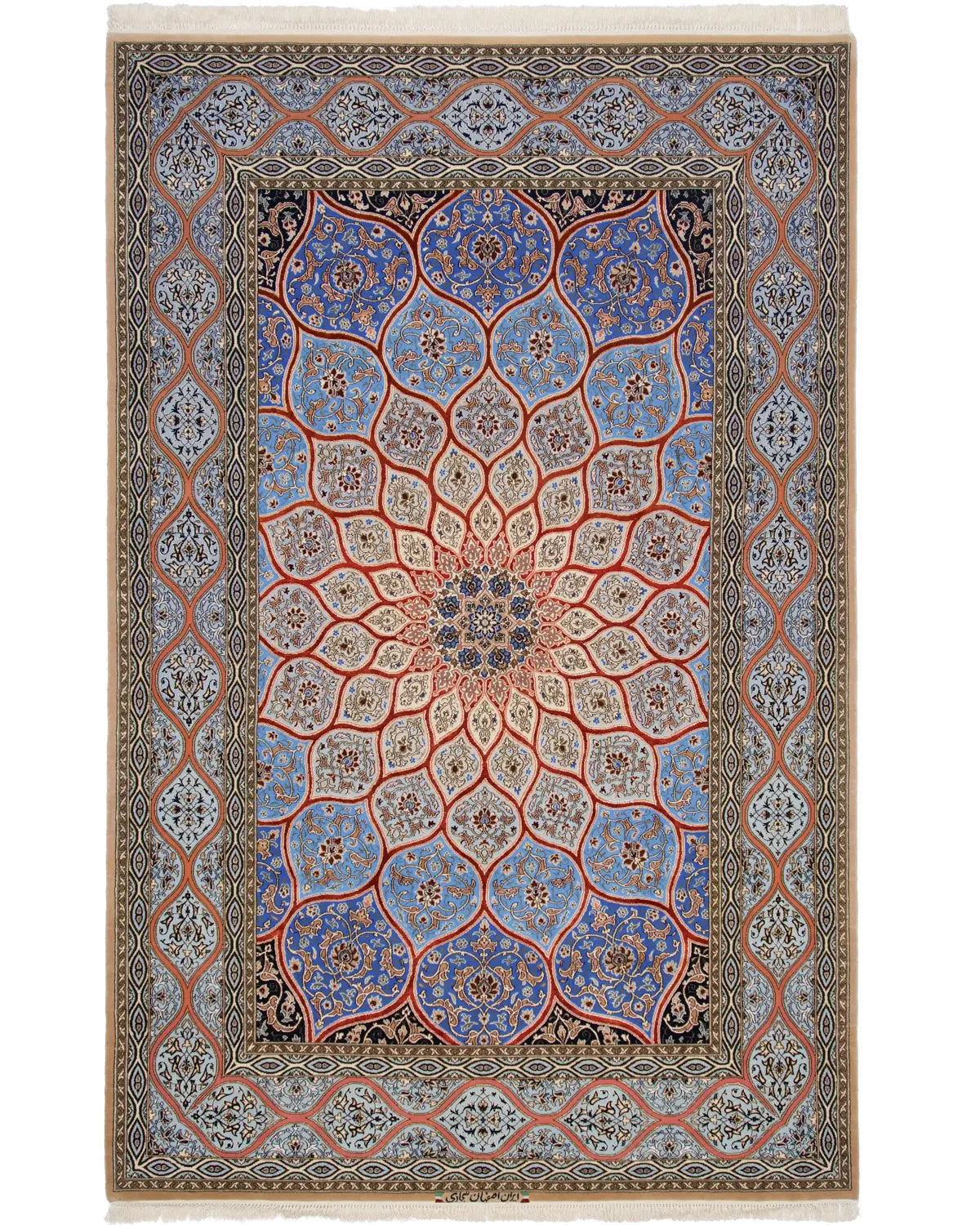
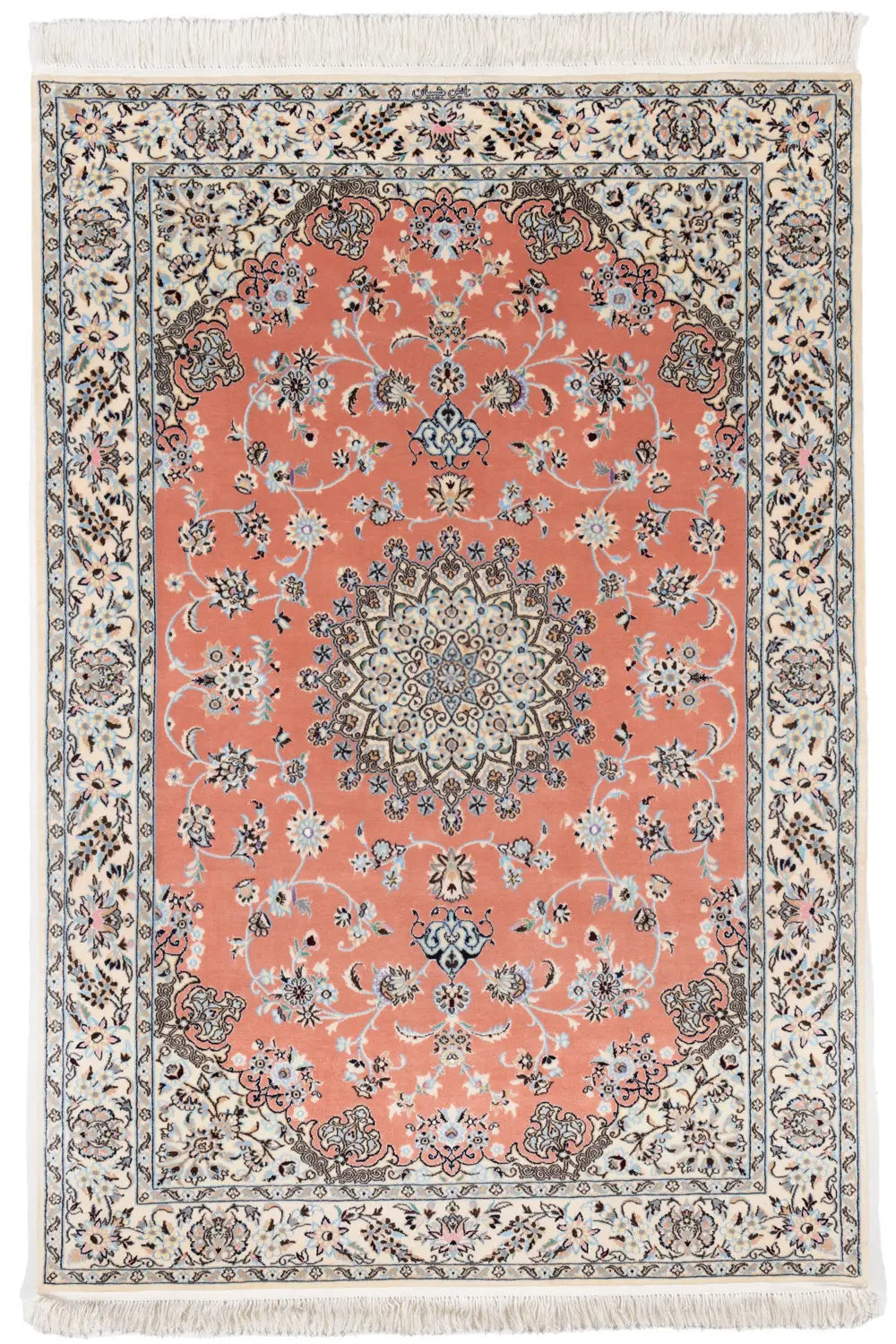


A "tribal rug" refers to carpets woven by tribes.
"Tribal rug" is written in English as "Tribal rug". The term "tribal" means tribe.
Tribal rugs have been woven for thousands of years in Central Asia and the Middle East. Many tribal rugs are handwoven by tribes living in Iran, Pakistan, Afghanistan, Turkey, and more.
The patterns and color schemes vary by tribe. The names of each rug often derive from the names of the tribes or their places of origin.
Baluch
Baluch rugs are made by the Baluch tribe.
In particular, these rugs are woven in villages near the border of Pakistan's Balochistan province and Afghanistan.
They are characterized by ethnic designs featuring geometric patterns and traditional motifs in shades of red, brown, and blue.

Balochistan Province (red) Map source: Google "Google Maps, Google Earth"
Gabbeh
This rug was woven by nomads living in the Zagros Mountains of Iran (regions such as Kurdistan, Lorestan, and southwestern Fars).
To adapt to the cold regions, they began creating thick, plush rugs. They wove freely without prepared patterns. The weavers incorporated animals and wishes familiar to their lives into charming designs.
Gabbeh means "raw" in Persian, expressing the rustic nature of Gabbeh rugs.

Zagros Mountains (red) Kurdistan, Lorestan, Fars (blue)
Map source: Google "Google Maps, Google Earth"
Turkmen
Turkmen rugs are woven by the Turkmen people of Turkmenistan. They are used for various purposes, including tent flooring, door hangings, and bags of different sizes.
Turkmen rugs are characterized by octagonal gul motifs and geometric patterns depicted in strong shades of red and brown. The basic octagonal gul motif varies in color and design by the weaver. Early Turkmen rugs were woven with single knots, while later ones feature double knots.
The traditional rug-making technique of the Turkmen was registered as an intangible cultural heritage by UNESCO in 2019.
Bakhtiari
This rug is named after the Bakhtiari tribe living in the Zagros Mountains near the city of Isfahan. Bakhtiari rugs are durable and sturdy wool rugs. They are among the most robust Persian rugs, woven with thick wool, making them less prone to wear.

Bakhtiari (red) Map source: Google "Google Maps, Google Earth"
Bukhara
Bukhara rugs are handwoven carpets that originated in the city of Bukhara, Uzbekistan.
The octagonal motif is also referred to as the elephant's foot. The original design of Bukhara was influenced by the carpets of the Tekke tribe, one of the major tribes of Turkmenistan. Therefore, there are similarities between Bukhara and Turkmen rugs, particularly in the use of the "gul" motif and the preference for deep red colors.
Unlike Persian, Pakistani, or Afghan rugs, which are named after cities where production is concentrated, Bukhara was not originally a major production center. However, due to its favorable location near the borders of Afghanistan, Turkmenistan, and Tajikistan, Bukhara established itself as an important commercial city in the region. Subsequently, the rugs quickly made their way to the West, adorning Western homes and public spaces.

Bukhara (red pin) Map source: Google "Google Maps, Google Earth"
Mashwani
Mashwani is a tribe primarily settled in various regions of Pakistan and Afghanistan.
Mashwani rugs are perfect for any interior. They are characterized by design patterns filled with geometric shapes and lines. There is almost no blank space in the design of Mashwani rugs.
Combining pile weaving and flat weaving, they feature texture and dimensionality. The design is geometric, with diamond motifs spreading across the entire rug.
The history of Mashwani rugs dates back centuries. They were originally woven as bridal gifts for tribal weddings.