

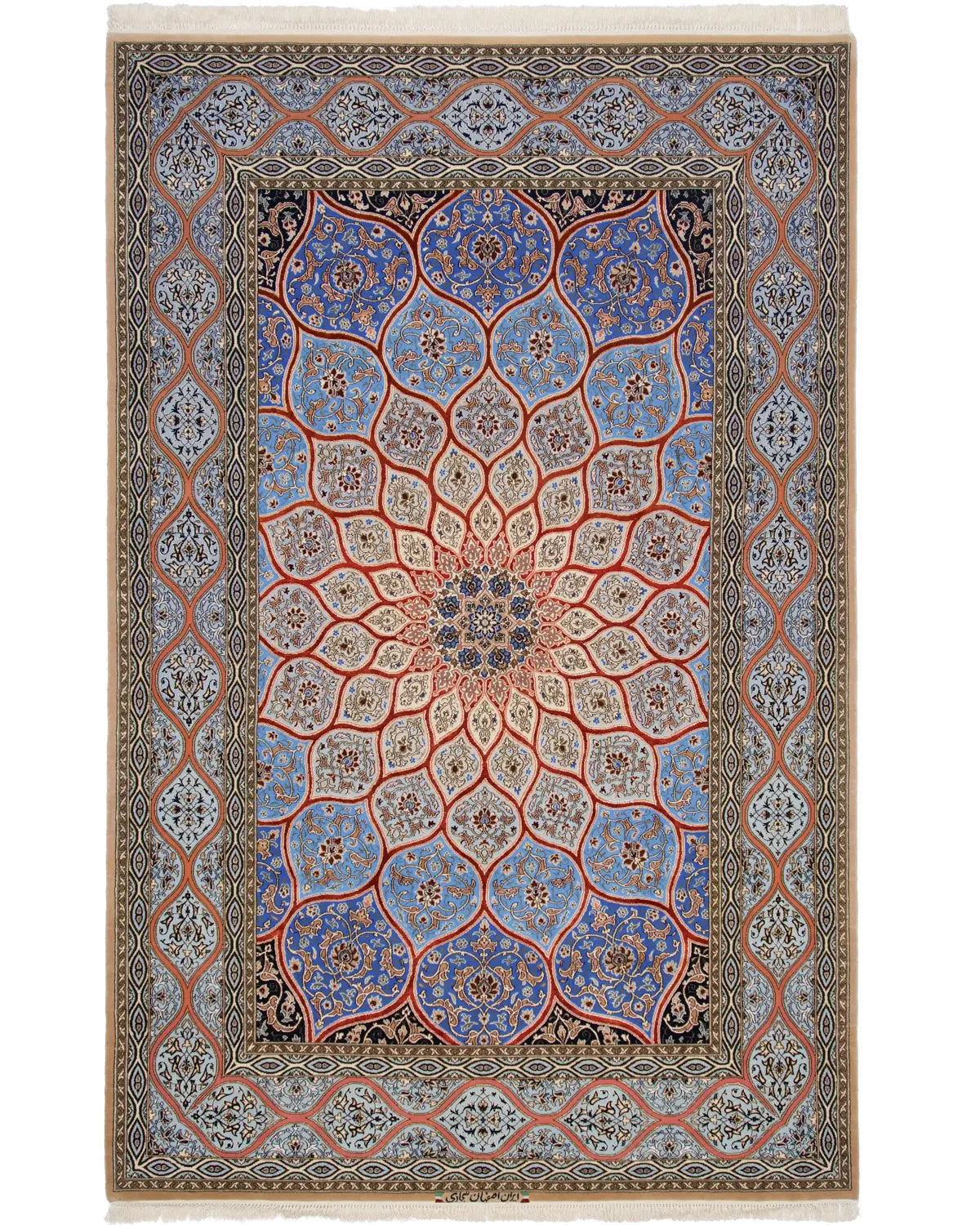
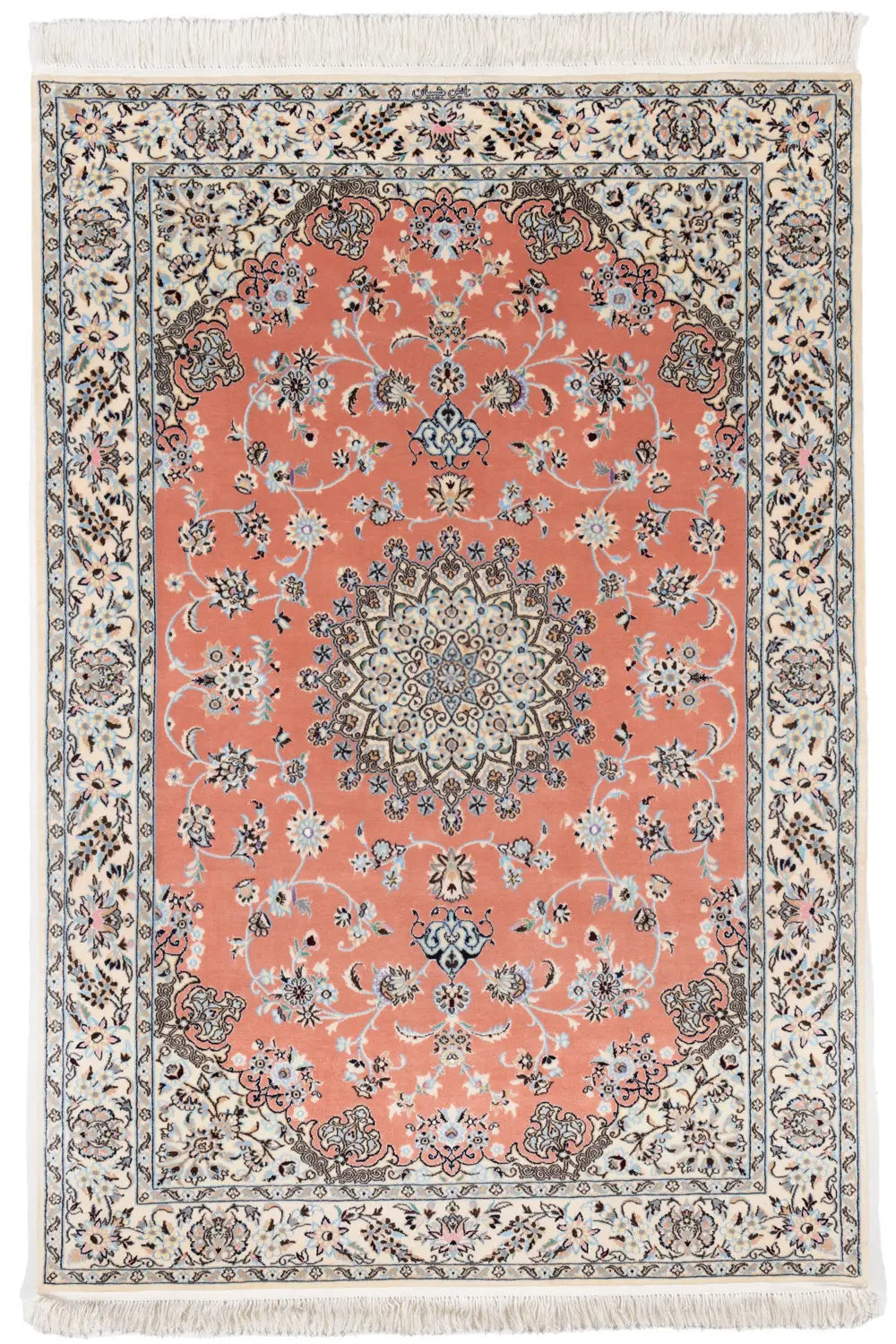
Kilim refers to a type of flatweave rug in Turkish. These rugs are widely produced in Turkey, North Africa, the Balkans, the Caucasus, Iran, Afghanistan, Pakistan, Central Asia, and parts of China.
The main difference between a pile rug and a kilim is that kilims do not have pile and are designed by interweaving colorful weft and warp threads.
Generally, kilims are made using the slit weave technique, which leaves slits (gaps) between adjacent blocks of different colored weft threads. The weaver tightly packs the weft to cover the warp, often favoring diagonal patterns. This results in geometric designs or floral patterns.
Kilims are widely used not only as floor coverings but also as wall hangings, furniture covers, bags, and cushion covers.
The primary material is typically wool, known for its flexibility and durability, though cotton and animal hair (from goats, camels, and horses) are also used. Silk is occasionally used as a luxury material, produced in certain regions.
The production of kilims involves tools such as looms, beaters, shuttles, knives, and scissors. These tools are used to weave traditional motifs and symbols.
A characteristic of kilims is that both sides of the rug have the same design, allowing for use on either side.
Search
Popular searches
Popular products

Search
Popular searches
Popular products