



Ardabil
Type: Persian Rug
Location: Northwestern Iran, Ardabil region (near Azerbaijan border)
Knots per square meter: Approx. 100,000 - 250,000 knots
Features: Slightly thin and highly durable. Strong geometric designs.
Pile: Wool (sheep wool)
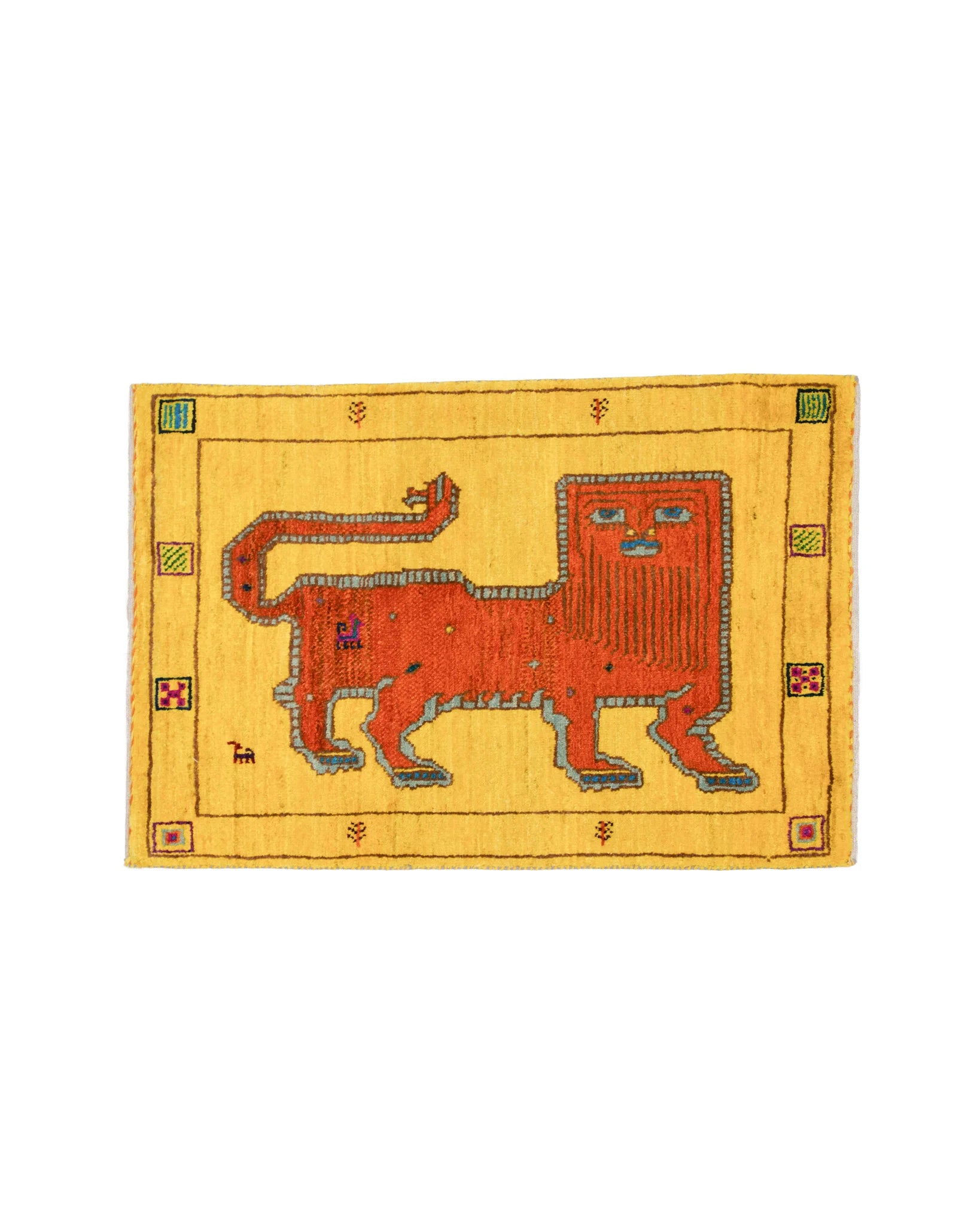
Ardebil rugs catch the eye with bold geometric patterns combining diamonds and octagons. Their appeal lies in the rhythm of repeating motifs and clean, uncluttered compositions.
Ardebil is a city in northwestern Iran, about 480 km northwest of the capital, Tehran.
Close to the Caspian Sea, the Ardebil region has long been known as a rug-producing area.
The world-famous "Ardebil Rug" is a masterpiece named after this place, where it was donated, and is regarded as an important cultural treasure of the Safavid era. However, rugs woven in present-day Ardebil and the historic masterpiece known as the "Ardebil Rug" are different things: the name comes not from where it was made but from the shrine to which it was donated. It is considered one of the most famous Persian rugs in the world.
Where this rug was made has not been settled; there are several theories naming Tabriz, Kashan, Isfahan or Kerman, and scholarship describes it only as "the work of craftsmen of northwestern Iran." It is called the "Ardebil Rug" because it was donated to the Shrine of Sheikh Safi al-Din in Ardebil.
It was later sold to raise funds to restore the shrine, and it is now held by the Victoria and Albert Museum in London.
Ardebil lies in northwestern Iran near the border with Azerbaijan, a region long home to many Turkic Azeri people.
For this reason, rugs from this region feature bold geometric patterns such as diamonds, octagons and medallions more often than Persian elements (flowers and arabesques).
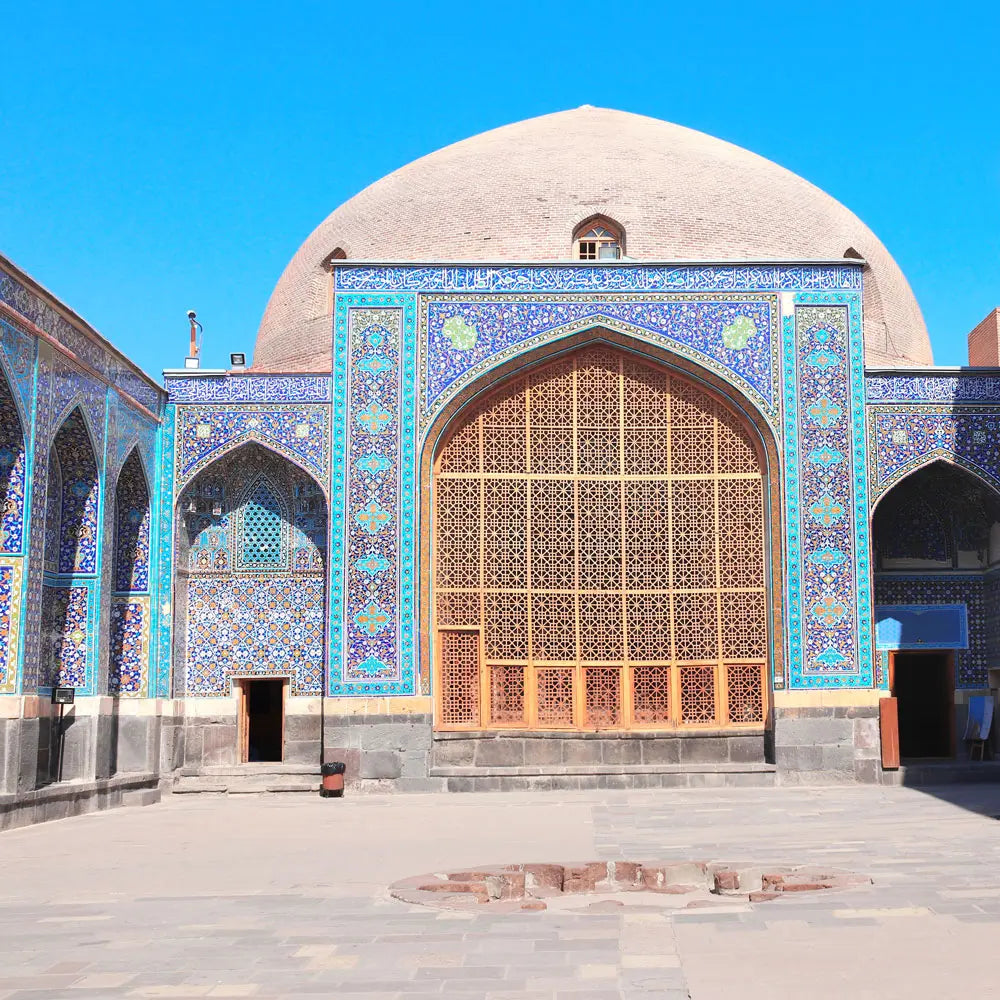
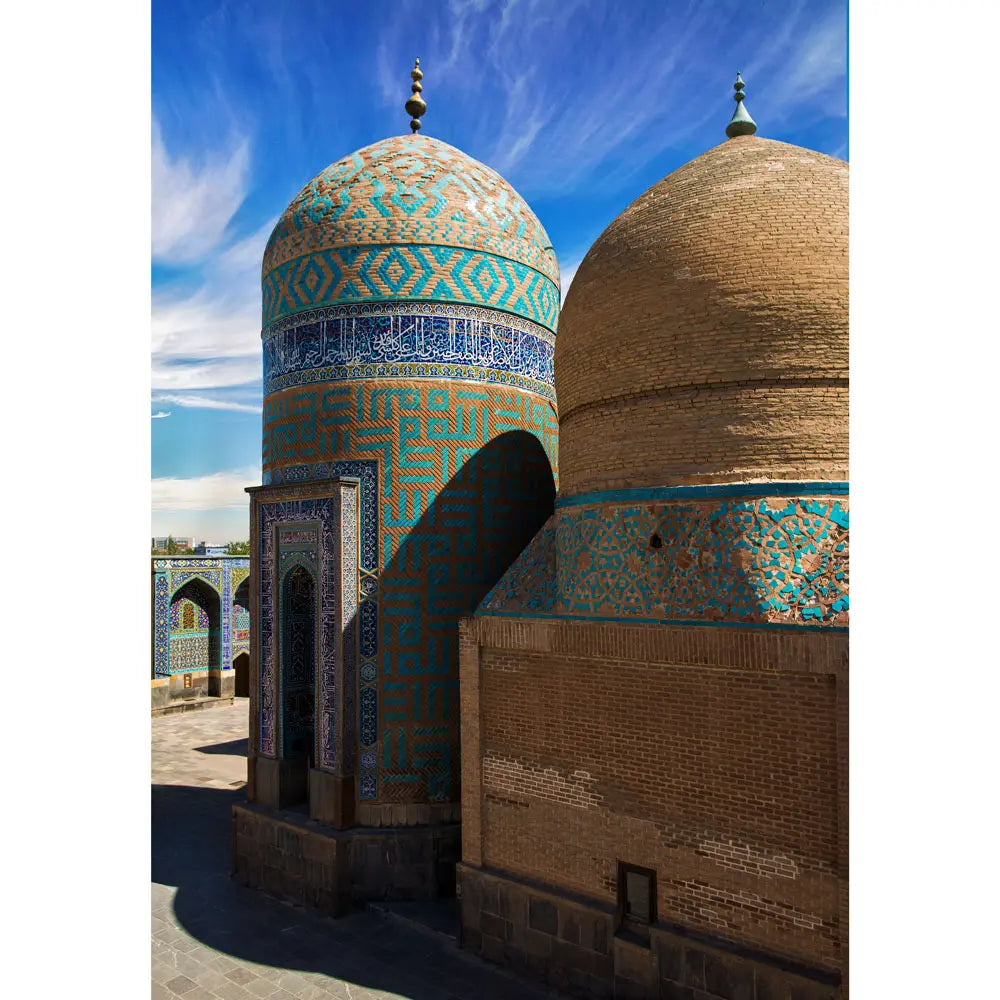
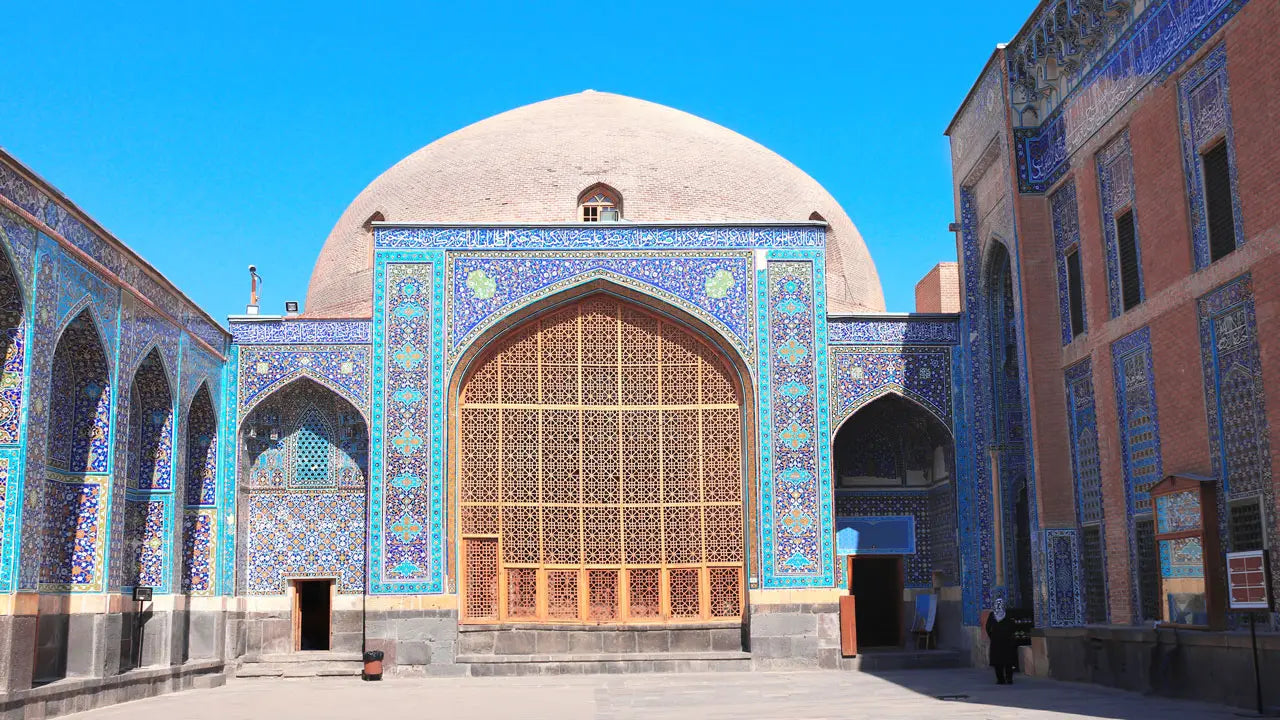
Tomb of Sheikh Safi al-Din, UNESCO World Heritage Site