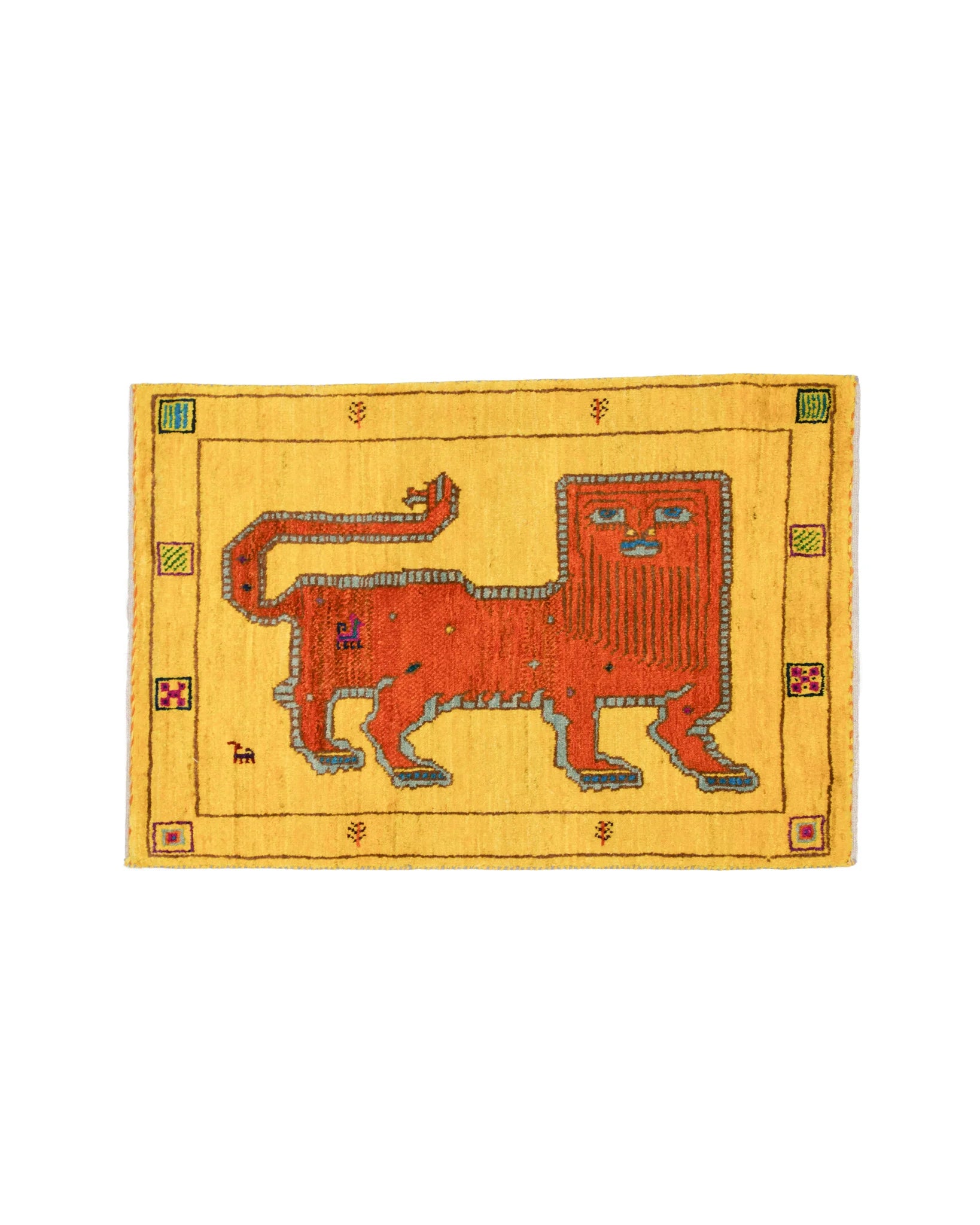





Heriz
Type: Persian Rug
Location: Northwestern Iran, East Azerbaijan Province, Heriz (formerly Persia)
Knots per square meter: Approximately 90,000 - 170,000 knots
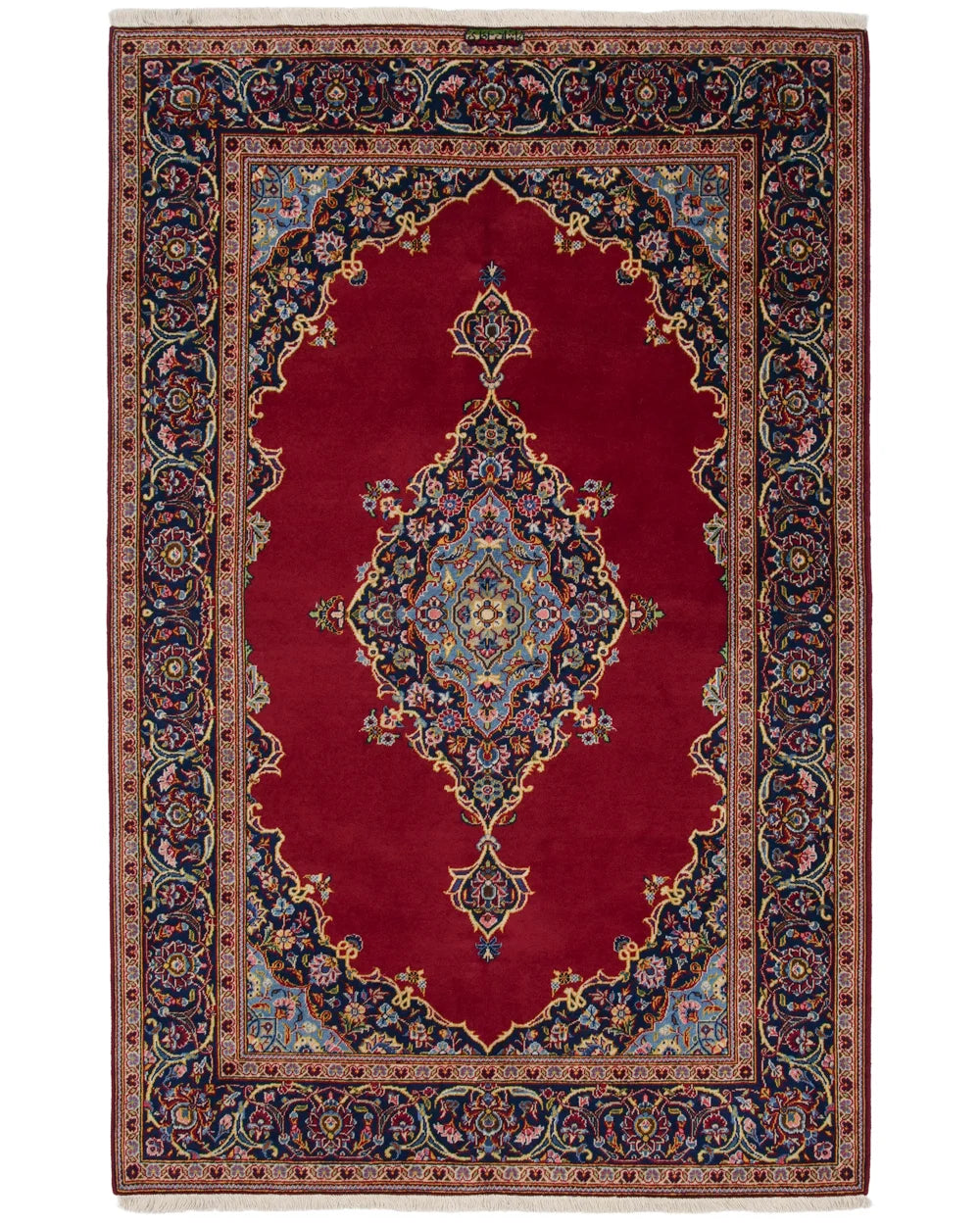
Features: Geometric patterns with a large medallion in the center, strong and heavy design
Pile: Wool
Heriz is a highland town located approximately 600 km northwest of Tehran (the capital).
Heriz rugs are characterized by geometric and bold patterns, with fewer curves. The symmetry is pronounced, giving them a classic and substantial presence.
Originally, these rugs were woven by people living in mountainous regions to withstand the cold and for long-term use. Therefore, rather than focusing on intricacy and ornamentation, emphasis was placed on thick warp threads, heavy wool, and sturdy weaving, which contributes to the reputation of Heriz rugs as "exceptionally durable."
In the late 19th century, as Persian rugs began to be exported to Europe and America through the nearby city of Tabriz, Heriz also developed for the international market.
During this period, the Heriz style was established, centered around a large central medallion and linear, geometric patterns, which continues to this day.