




Differences Between Gabbeh, Persian Rugs, and Kilim
We will clearly explain from five perspectives: material, weaving method, design, usage, and price.
1. What are Gabbeh, Persian Rugs, and Kilim?
Gabbeh, Persian rugs, and Kilim are all handwoven rugs that have been woven for a long time in regions centered around Iran, but there are clear differences in their origins and characteristics.
Gabbeh
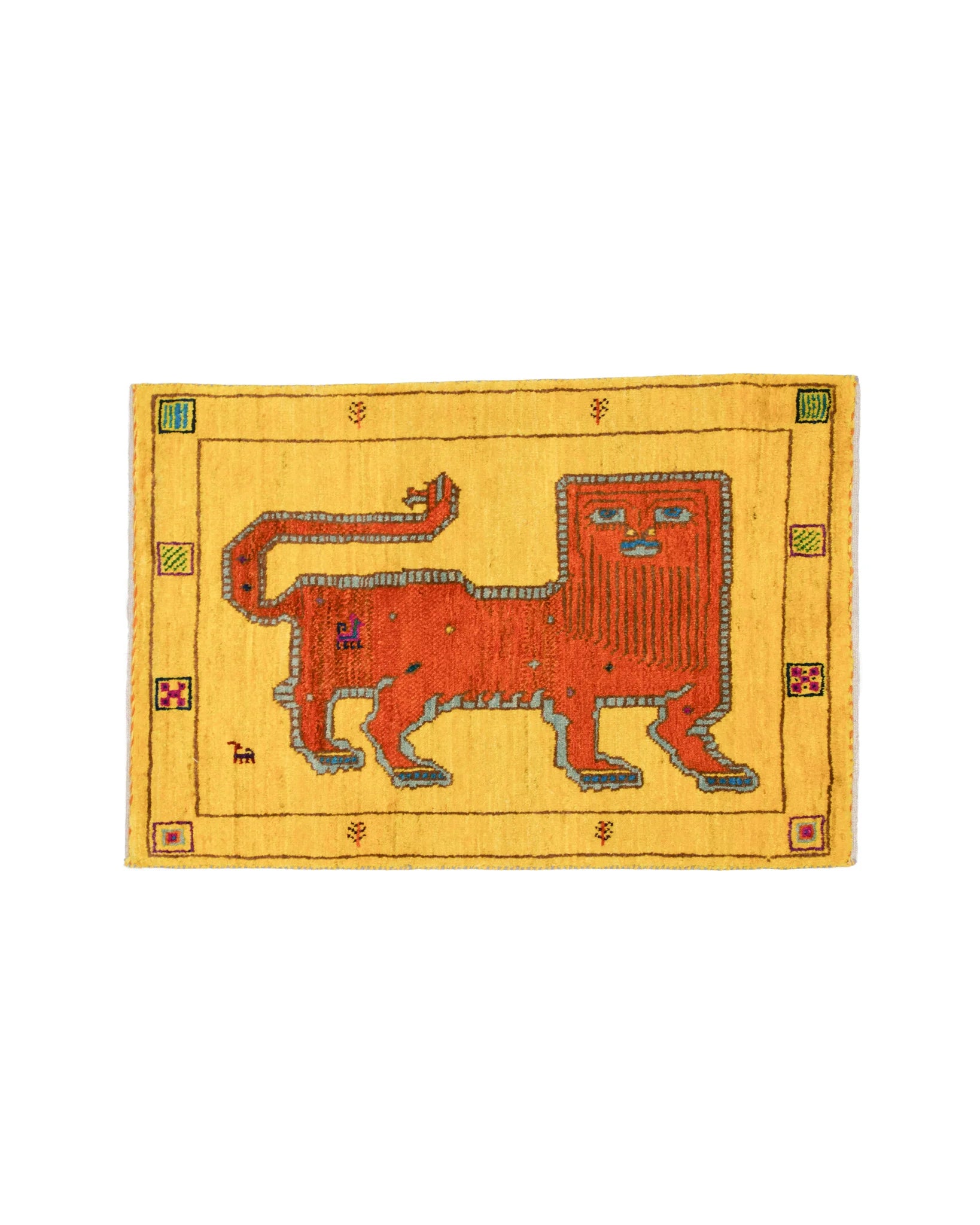
Gabbeh is a thick rug with long pile woven by the Qashqai nomads in southwestern Iran. The thickness of the pile can reach about 2.5 cm, characterized by a fluffy feel and high thermal insulation. It was originally created as a practical mat for use inside tents.
Persian Rug
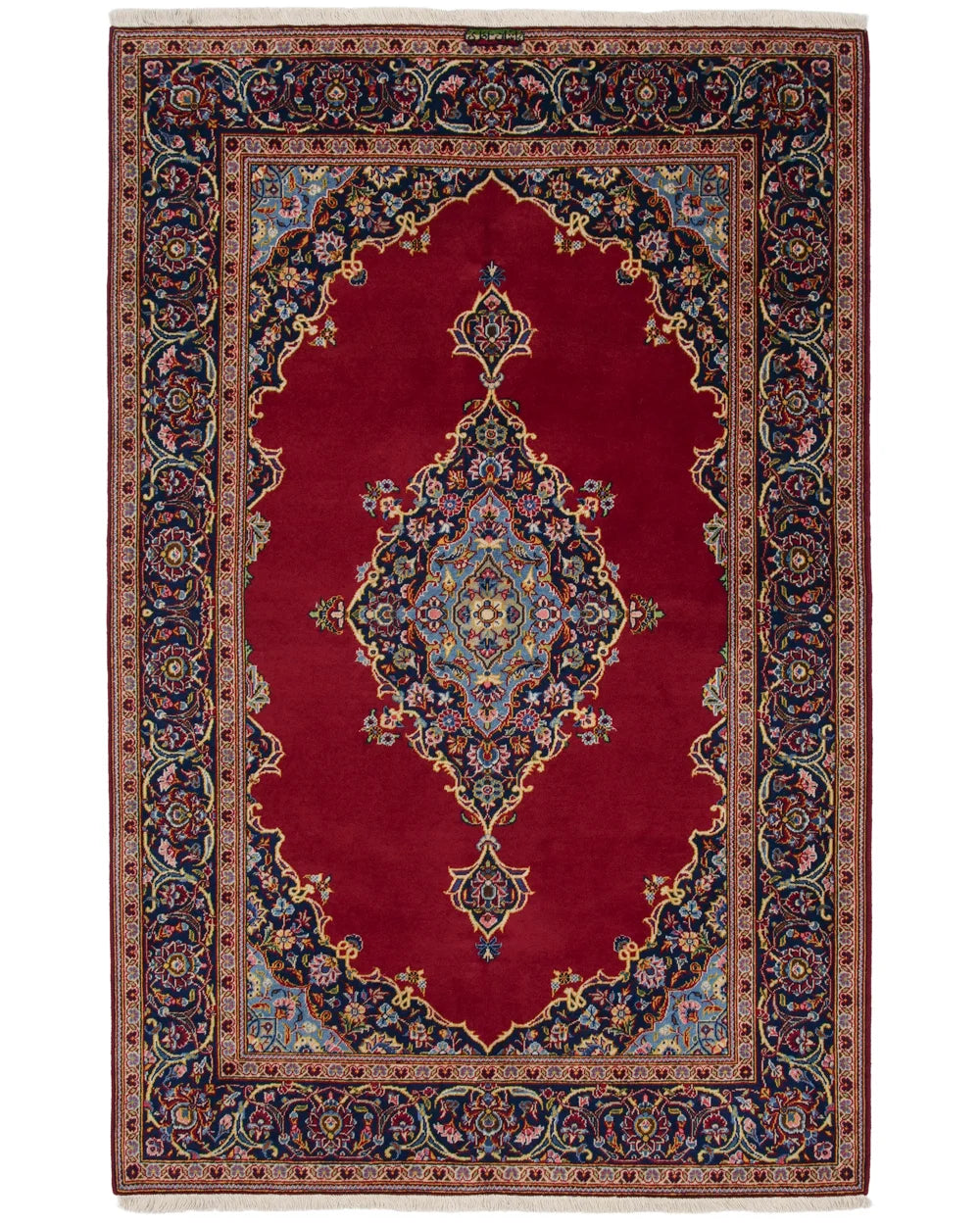
Persian rugs are a general term for high-density, finely woven rugs produced in urban workshops throughout Iran. In addition to wool, there are also luxury items made with silk, which are highly regarded worldwide for their artistic patterns and elegant finish.
Kilim
Kilim is a flat-woven rug without pile. It is thin and lightweight, with a nearly identical appearance on both sides. It is easy to fold and can be used for various purposes such as wall hangings and cushion covers.
2. Differences in Materials
Gabbeh is primarily made of hand-spun wool, with natural colors derived from plant dyes being its charm. It offers depth of color that cannot be achieved with chemical dyes.
Persian rugs are also mainly made of wool, but depending on the region and workshop, silk or a blend of silk and wool may be used. The combination of materials changes the glossiness and smoothness, expanding the range of expression.
Kilim is primarily made of wool and is constructed with thick threads tightly woven to create a thin and lightweight finish. The simple use of materials accentuates the geometric patterns.
3. Differences in Weaving Methods
Both Gabbeh and Persian rugs are made using a "knotting" method that creates knots in the warp threads to form the pile. However, the density of the knots is completely different.
Gabbeh is loosely knotted with thick threads, resulting in a fluffy thickness and rustic texture. In contrast, Persian rugs are tightly knotted with thin threads, resulting in a thin and supple texture, allowing for the expression of delicate curved patterns.
Kilim is a "flat weave" that does not create knots. It is constructed by alternating the warp and weft threads to form the fabric surface, resulting in no pile, making it lightweight and easy to fold. The reversible design with almost no distinction between front and back is also a characteristic of flat weaving.
4. Differences in Design
Gabbeh features rustic motifs rooted in the nomadic lifestyle, such as deer, goats, the tree of life, and human figures. Many designs boldly utilize negative space, and each piece has a unique free expression. The warmth that reflects the weaver's sensibility fits well in natural spaces and cozy environments.
Persian rugs predominantly feature intricate, symmetrical patterns such as floral arabesques and medallions. Each urban workshop has its own design system passed down through generations, shining in spaces that emphasize formality and elegance.
Kilim is characterized by linear geometric patterns centered around stripes and diamonds. With vibrant colors and bold compositions, they stand out as accents even when used as wall hangings.
5. Differences in Usage - Which Should You Choose?
The suitable rug varies depending on how you want to use it in your life.
Ideal for places where you spend long hours relaxing on the floor, such as living rooms and bedrooms. Comfortable in winter due to thickness and thermal insulation. Highly durable, making it perfect for everyday use.
Perfect for spaces where you want to create formality and beauty, such as reception rooms and dining areas. The intricate patterns bring elegance to the room.
Versatile for wall hangings, tablecloths, cushion covers, and more. Lightweight and easy to handle, perfect for those who want to use patterns as accents.
Tips for Choosing: If you prioritize "comfort and warmth," Gabbeh is recommended; if you want to enjoy the "beauty of intricate patterns," choose Persian rugs; if you seek "lightness and versatility," Kilim is the way to go.
6. Differences in Price and Durability
The price of Persian rugs varies significantly based on materials, knotting detail, and the reputation of the workshop. Silk products and works from renowned workshops tend to be expensive but are valued as assets.
Gabbeh is made from thick wool, offering high durability and suitability for daily use. The price range varies based on size and weaving detail (fine or normal), but it can be chosen from a relatively accessible range.
Kilim is generally the most affordable among the three, making it easy to incorporate into your interior. Although it may wear over time due to its thinness, you can enjoy using multiple pieces interchangeably.
7. Comparison Table
| Gabbeh | Persian Rug | Kilim | |
|---|---|---|---|
| Weaving Method | Knotting (coarse) | Knotting (high density) | Flat weaving |
| Thickness | Thick (approx. 2-2.5cm) | Thin to medium thickness | Thin |
| Main Materials | Hand-spun wool, plant dyes | Wool, silk | Wool |
| Design | Rustic, free motifs | Intricate, symmetrical patterns | Linear geometric patterns |
| Comfort | Soft and fluffy | Smooth and supple | Flat |
| Recommended Usage | Living room, bedroom | Reception room, dining area | Wall hanging, versatile |
| Durability | High | Very high | Average |
| Price Range | Moderate | Wide (mostly high price range) | Affordable |
8. Summary - Recommendations by Purpose
-
Gabbeh - Thick wool, plant dyes, rustic motifs. A durable and warm piece that fits well in a lifestyle of relaxing on the floor.
-
Persian Rug - High density, intricate patterns, formal beauty. For those who appreciate the enjoyment of detailed designs and seek elegance in their space.
-
Kilim - Thin, flat woven, lightweight, geometric patterns. Can be easily incorporated into interiors as wall hangings or covers, beyond just being laid on the floor.
Each rug has its own charm. By imagining "what kind of space and how you want to spend time in it," you should be able to find a piece that you will cherish for a long time.
At SATHI RUGS, you can actually see and touch Gabbeh, Persian rugs, and Kilim.