




Table of Contents
- The Importance of the Entrance and the Role of Persian Rugs
- Cultural Background of Persian Rugs and Their Connection to Japan
- The Allure of Persian Entryway Rugs and Their Feng Shui Effects
- Durability of Persian Rugs and Their Long-Term Investment Value
- Choosing Colors and Designs for Persian Rugs
- Maintenance and Care Tips for Persian Entryway Rugs
The Importance of the Entrance and the Role of Persian Rugs
The entrance is often referred to as the face of the home, being the first place visitors see. When friends or neighbors come over, the impression of the entrance becomes a crucial element that sets the tone for the entire house.
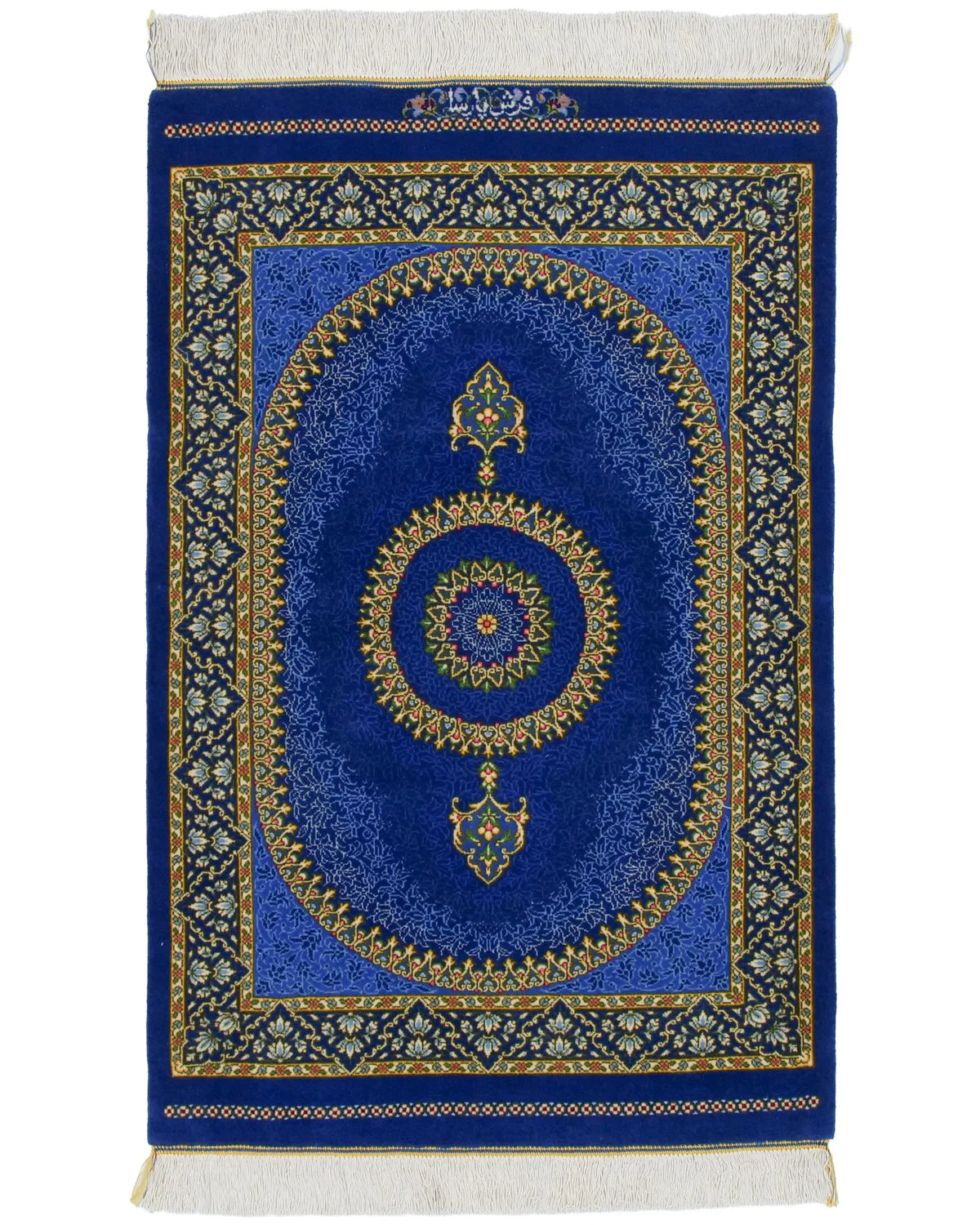
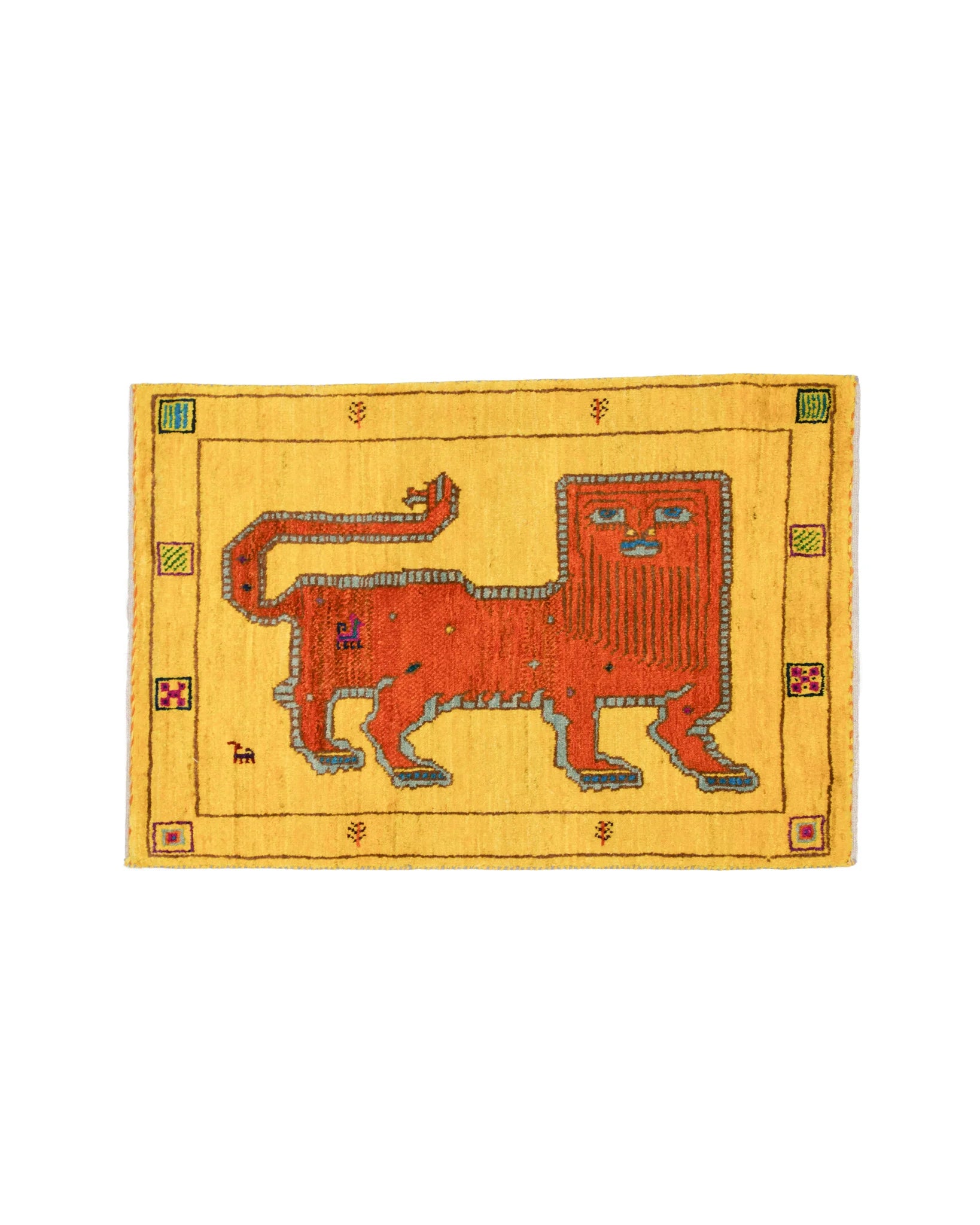
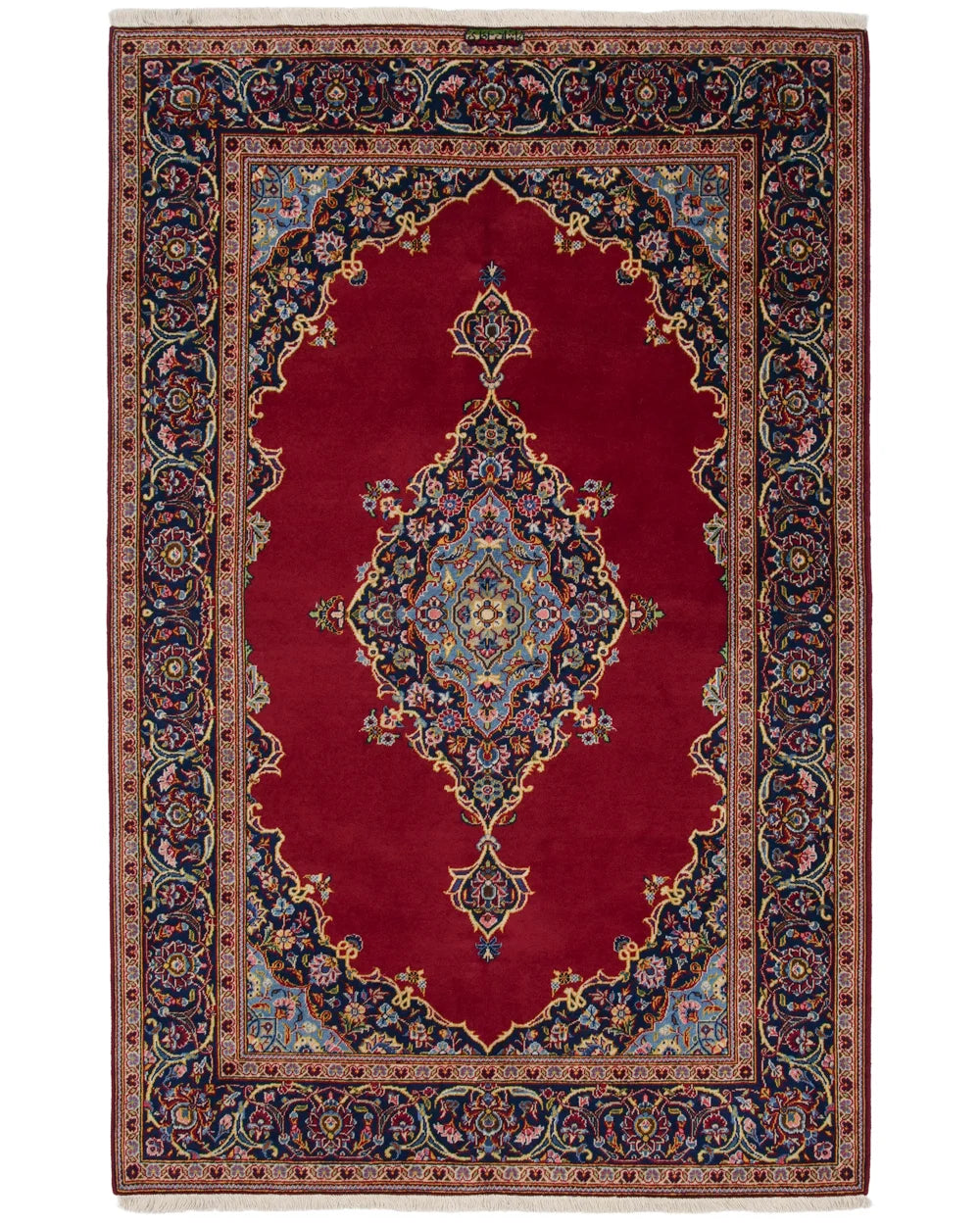
Therefore, one tends to pay particular attention to the design and decor of the entrance. By using a Persian rug as an entryway rug, you can bring warmth and luxury to the space with its unique design and colors. Incorporating a Persian rug not just as a functional item but as part of the decor transforms the entrance into a more inviting space. The durable Persian rug is suitable for everyday use, and its intricate patterns and colors add vibrancy to daily life.
Cultural Background of Persian Rugs and Their Connection to Japan
Persian rugs have a rich history that dates back to ancient times, with origins that can be traced back to before Christ. They were first brought to Japan during the Azuchi-Momoyama period and have since become a common sight in Japanese homes. The shared culture of shoe-free living between Japan and Persia has facilitated the acceptance of Persian rugs in Japan. According to ancient texts, the "Records of the Wei Dynasty" suggests that a mat gifted by the Wei emperor to Himiko may be considered the origin of rugs. During the Azuchi-Momoyama period, Persian rugs were introduced to Japan via the Silk Road, and Toyotomi Hideyoshi was captivated by their beauty, using them as ceremonial garments. The use of Persian rugs as decorations in the Gion Matsuri in Kyoto indicates a deep connection to Japanese traditional culture. Notably, the armor of Toyotomi Hideyoshi preserved at Kodaiji Temple is woven from Persian rug materials. Thus, Persian rugs can be seen as a strong symbol of the cultural ties between Japan and Persia.
The Allure of Persian Entryway Rugs and Their Feng Shui Effects
Persian rugs are globally recognized as exquisite works of art, and their high design quality makes them an essential part of interior decor.
From a Feng Shui perspective, the entrance is the gateway for energy, and entryway rugs play a role in eliminating "negative energy" brought from outside. However, mats made from synthetic materials like plastic or vinyl often have glued fibers, which can diminish their ability to repel negative energy. This may lead to the entry of inappropriate energy into the home. In this regard, mats made from natural materials are preferred in Feng Shui. Persian rugs, crafted from wool and silk, not only feel gentle on the skin but also effectively eliminate inappropriate energy from outside.
Durability of Persian Rugs and Their Long-Term Investment Value
Using a Persian rug as an entryway rug may seem extravagant, but it is actually very suitable. These rugs, woven over several years with great care, are true works of art that gain beauty with use. The durability of Persian rugs is attributed to the craftsmanship involved, making them robust enough for everyday use. Therefore, choosing these rugs is a wise investment that retains value over the long term. Even if they get dirty, professional cleaning services can restore their original beauty. With both durability and beauty, Persian rugs are indeed valuable items for any home.
Choosing Colors and Designs for Persian Rugs
When selecting the size of an entryway rug, it is important to consider the width of the entrance. The typical size for mats is around 60×90 cm, but options like 50×80 cm or 70×120 cm are also available. Measuring the width of the entrance beforehand makes it easy to visualize which size mat is appropriate. A size that allows a little floor to show on either side is the most balanced.
For example, entrances measuring 90 cm to 100 cm are common in apartments, and a 50×80 cm mat fits perfectly in this size. On the other hand, entrances measuring 100 cm to 120 cm are often found in larger homes, where a 60×90 cm or 70×120 cm mat is recommended.
Additionally, the color and design of the mat are important. When choosing a Persian rug, aligning the colors and patterns with the entrance decor creates a more cohesive space. Warm colors evoke a sense of comfort and warmly welcome visitors, while colors like blue or green create a calming atmosphere.
Maintenance and Care Tips for Persian Entryway Rugs
-
Rotating the Rug
- In high-traffic areas like entrances, rotate the rug every few months.
- This maintains even wear.
- Prevents specific areas from wearing out.
-
Anti-Slip Measures
- Rugs placed directly on the floor can pose a slipping risk, so use anti-slip pads.
- Avoid unexpected slipping.
- Anti-slip pads also reduce friction on the rug, preventing wear.
-
Friction Prevention for Persian Rugs
- Use anti-slip pads to reduce friction on Persian rugs.
- These measures help prolong the life of the rug.
-
Cleaning Methods
- Clean along the direction of the fibers.
- Use a vacuum cleaner to remove dust and debris.
-
Vacuuming Precautions
- Excessively strong suction can damage Persian rugs.
- Be gentle while cleaning.
Refer to these points for proper care to ensure the longevity of your rug.