



When selecting a Persian rug, many may find themselves unsure of which one to choose. This article explains the key points regarding the materials, origins, and types of rugs, hoping to serve as a reference for your selection!
Materials of Persian Rugs
Persian rugs are primarily made from natural materials such as wool, cotton, and silk. Genuine Persian rugs do not use synthetic materials, making this an important check point when choosing.
In particular, silk rugs are more expensive than wool ones, featuring a beautiful sheen and delicate designs. They are items that add a touch of luxury to your interior.

Choosing by Origin and Type of Persian Rugs
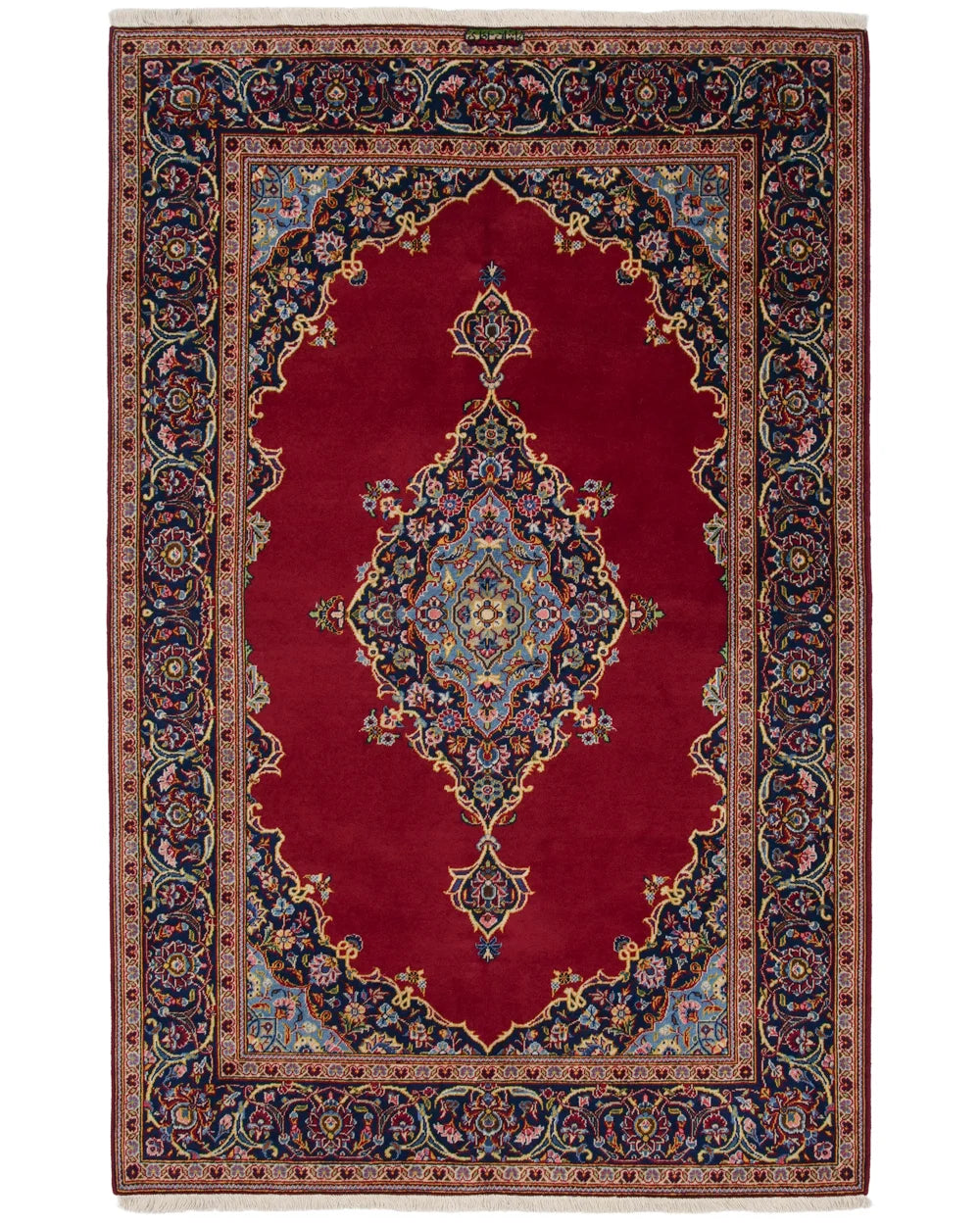
Persian rugs vary in design and color depending on their origin. It is recommended to enjoy the individuality of each while selecting one that suits your taste and interior.
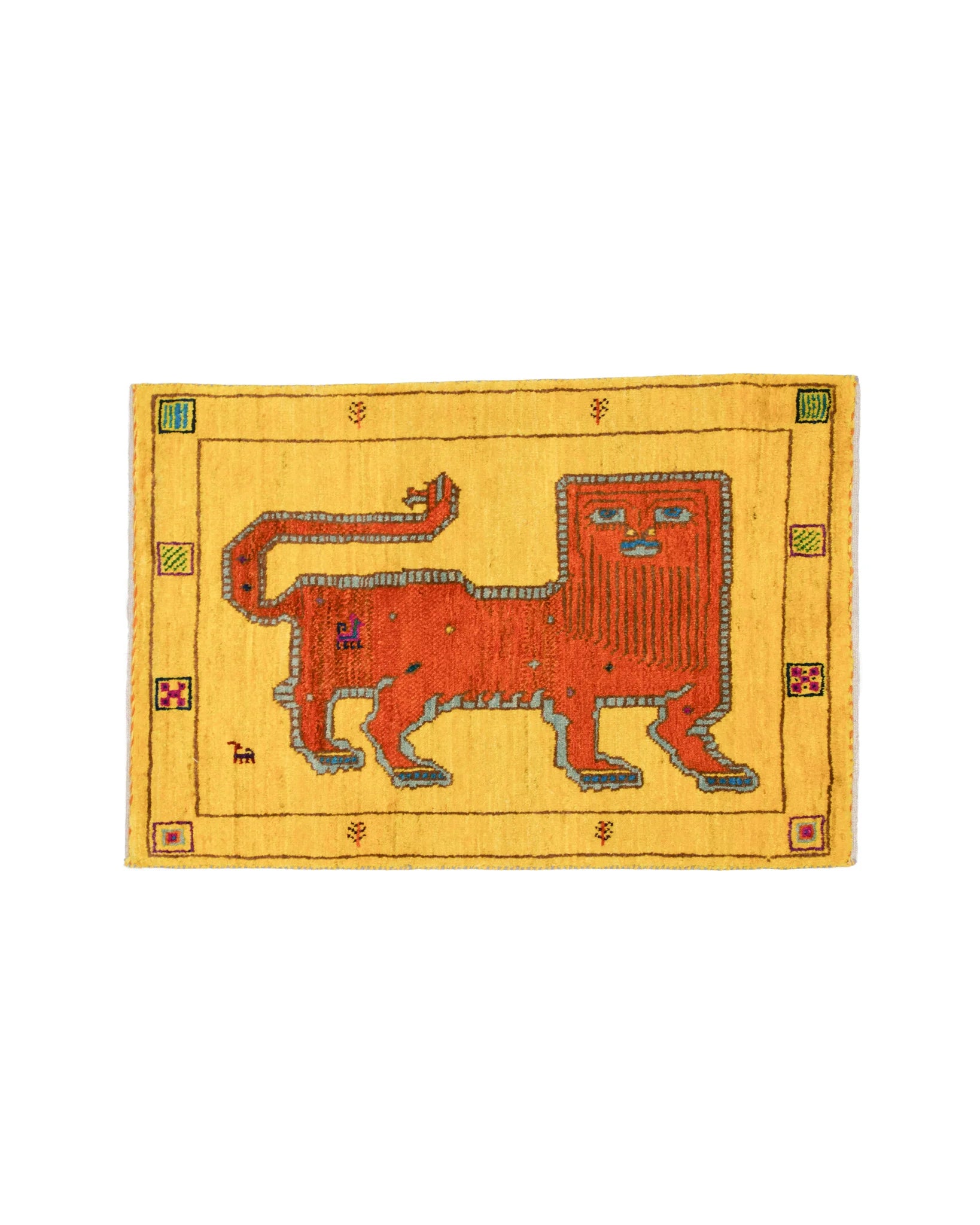
For example, rugs from Qum are high-quality silk pieces, while Tabriz rugs are characterized by traditional fish patterns and exceptional durability. Rugs from Nain often feature simple designs that fit well in Japanese homes. Additionally, Gabbeh rugs made by nomads are thick, soft, and have a warm texture that is appealing.


Pricing of Persian Rugs
When choosing a Persian rug, price is also an important factor. Prices vary based on materials, origin, age, and size, and can fluctuate due to factors like exchange rates and import costs.
At our store, we ensure fair pricing by sourcing directly from local workshops without intermediaries, so you can shop with confidence.
Conclusion
The most important thing is to choose a newly made, hand-knotted rug that suits your lifestyle and taste.
Hand-knotted rugs each have their own individuality, making them unique items in the world. Enjoy the encounter with a wonderful rug.