



History of Habibian Workshop
The Habibian Workshop was established by Fatra Habibian, known as the "Father of Nain Rugs." Born in Nain in 1903, Fatra trained in his father's traditional Iranian wool cloak workshop. He later developed rug manufacturing techniques in Nain, spreading high-quality Nain rugs around the world.
Fatra's brother, Mohammad Habibian, also joined in the operation of the workshop. Through their collaboration, the workshop grew and produced rugs of exceptional quality. Their efforts bore fruit, and the Habibian Workshop became the pinnacle of Nain rug craftsmanship.
After the deaths of Fatra and Mohammad, the workshop was passed down to Fatra's grandson, Ali Habibian. The family tradition and techniques have been continuously inherited, and the reputation of the Habibian Workshop remains strong to this day.
Features of Habibian Workshop Rugs
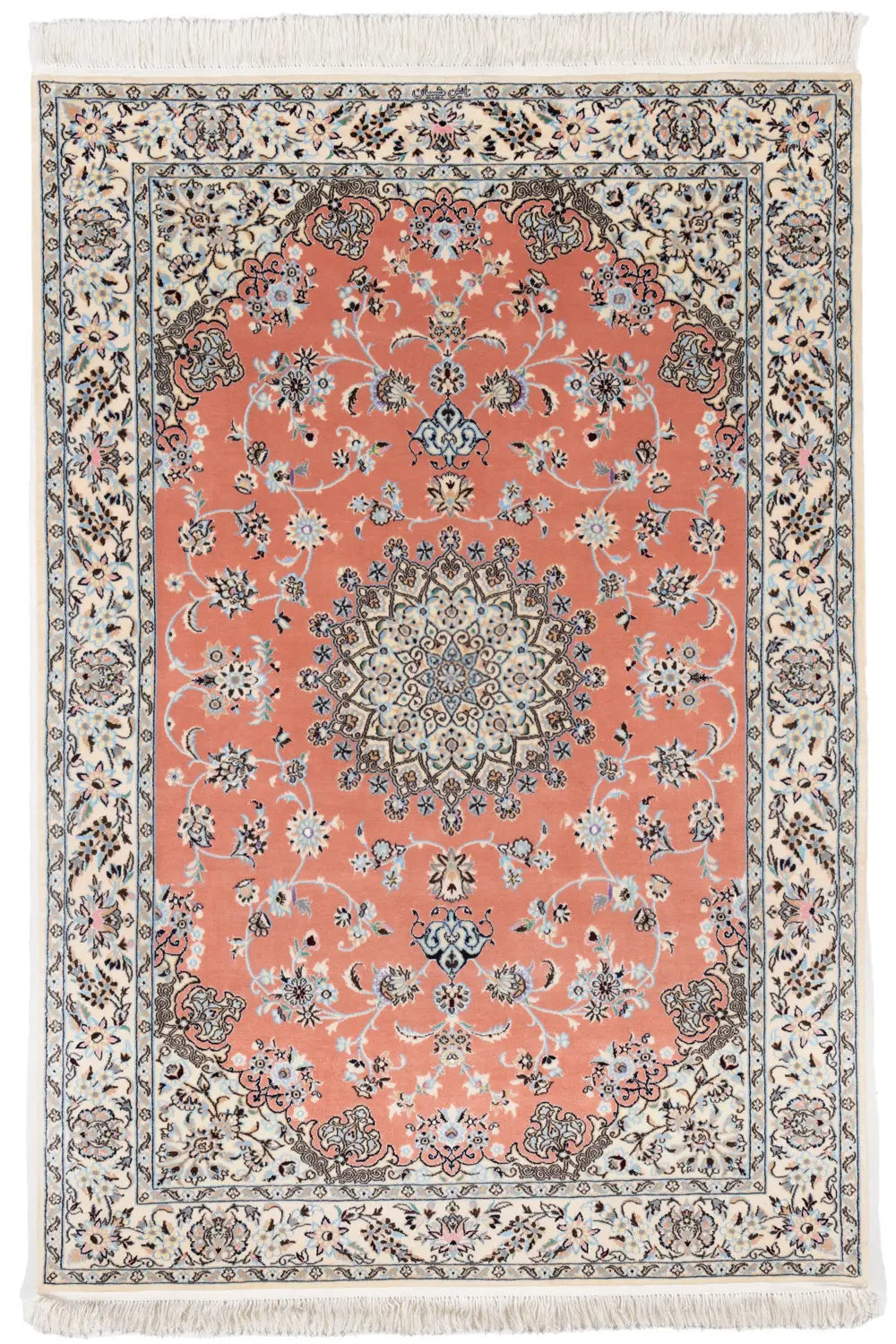
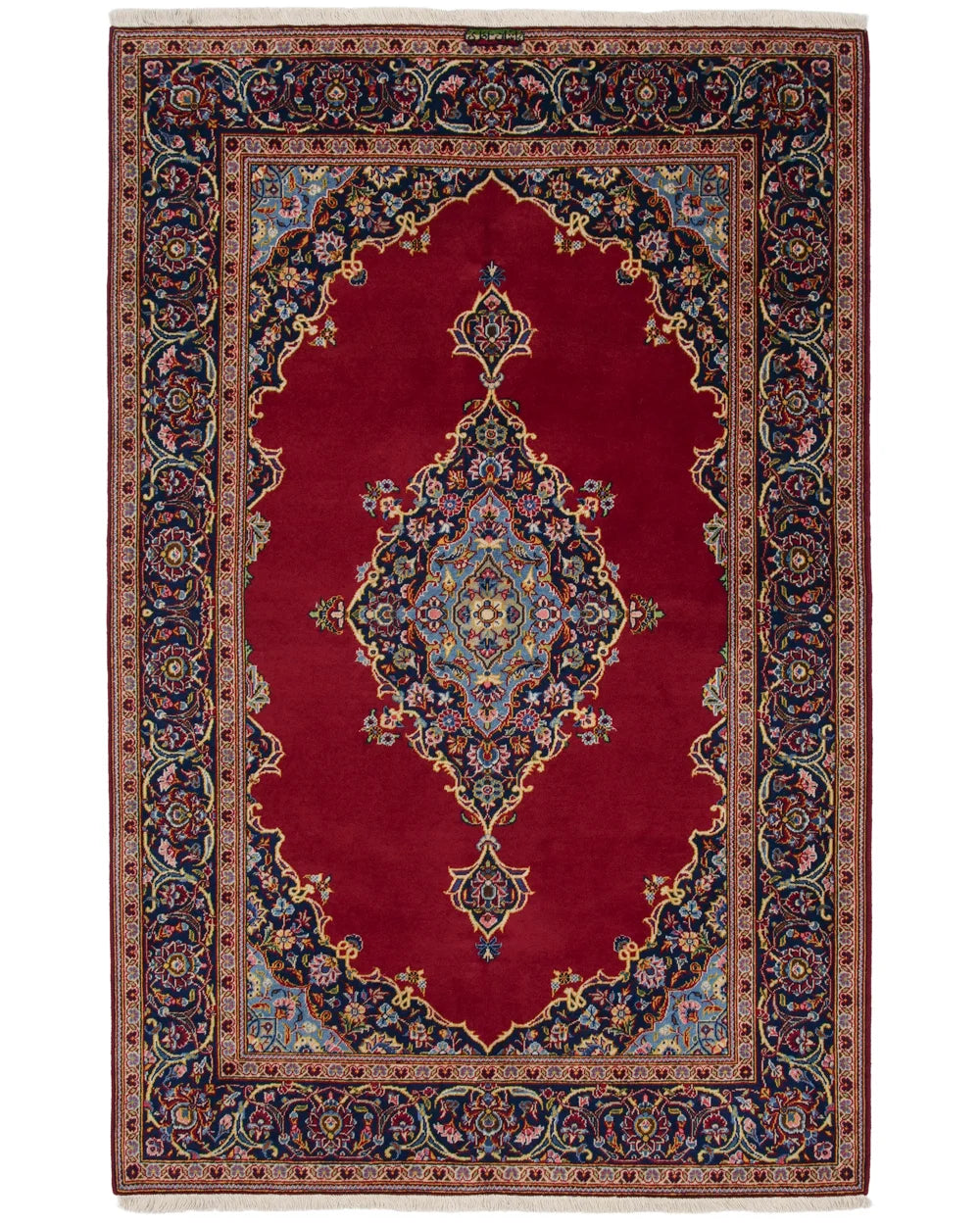
Habibian Workshop rugs are characterized by intricate and delicate designs and exquisite weaving techniques. These rugs are made using Persian knots, crafted from the finest wool and silk. The particularly refined designs and combinations of colors stand out.
Nain rugs are typically woven using high-quality kork wool and silk pile, allowing the designs to be vividly expressed. Additionally, the dyes used are of high quality, ensuring that the colors of the rugs are preserved for a long time. The color palette often features elegant shades based on soft cream tones, making them very compatible with Japanese homes, which contributes to their high popularity in Japan.
Habibian Workshop rugs boast the highest quality among Nain rugs, with unparalleled reliability and prestige. They enjoy immense popularity and high regard among collectors and rug enthusiasts.
Since its founding by Fatra Habibian, the Habibian Workshop has passed down traditions and techniques through generations of the family. As a result, Nain rugs are highly valued worldwide, with Habibian Workshop rugs known for their exceptional quality.