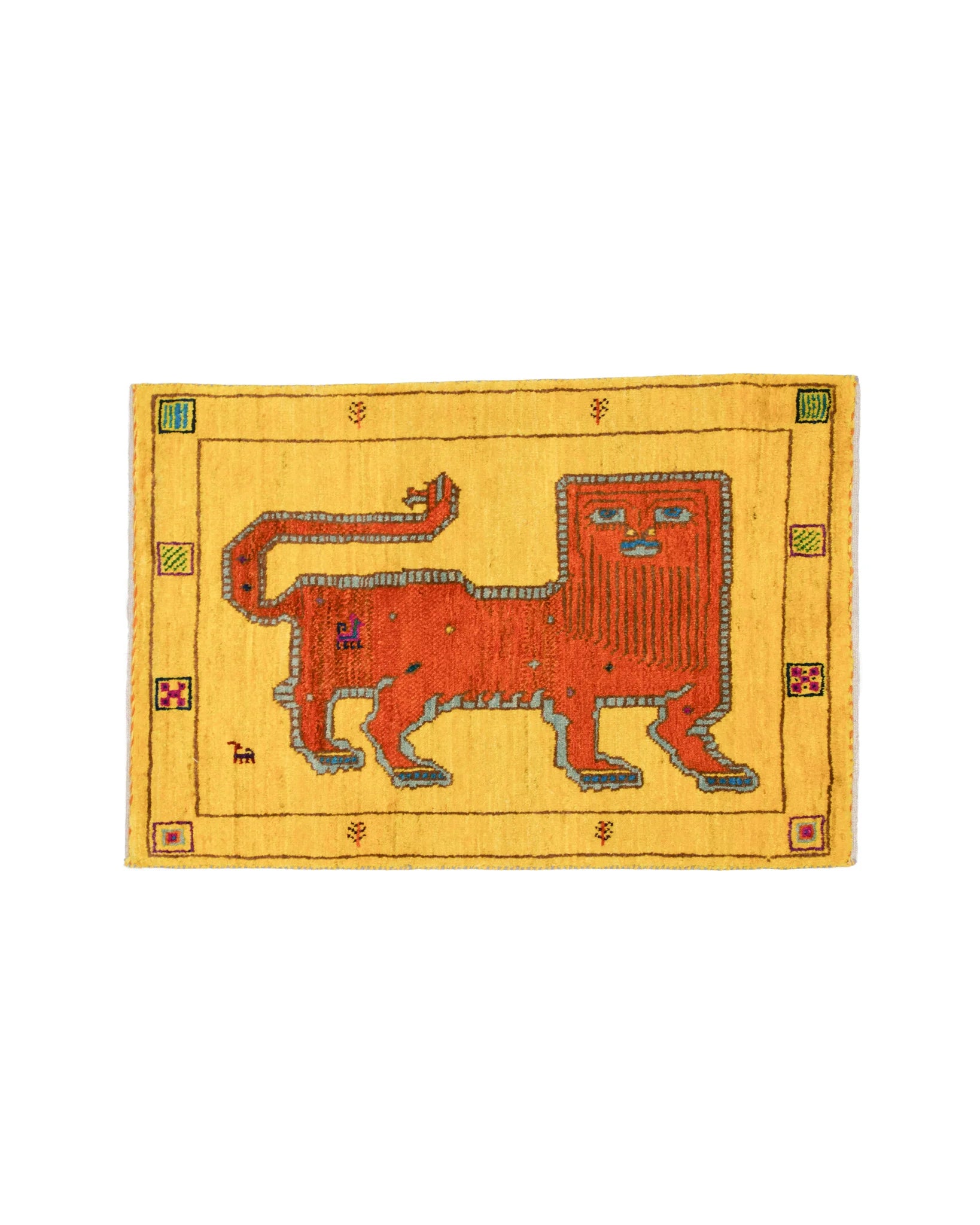


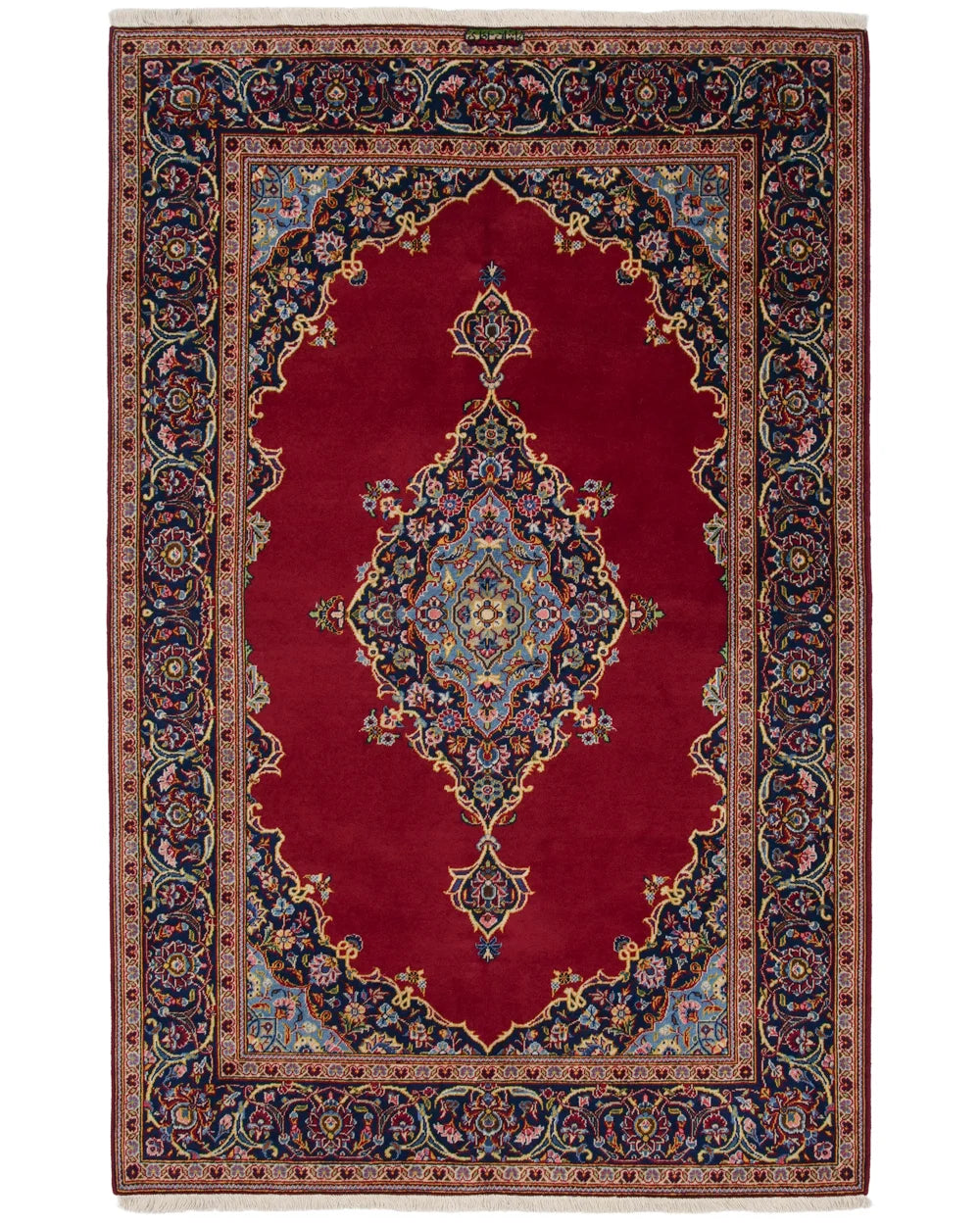


The market price of Gabbeh rugs varies significantly based on "size, origin (weaver), and weaving density." Even if Gabbeh rugs appear similar, understanding their background clarifies the reasons behind their pricing, allowing for a more informed selection. Here, we will organize and explain the pricing considerations and market perceptions from a specialist's perspective.
Contents of this Article
- What Determines the Price of Gabbeh Rugs?
- Price Ranges for Gabbeh Rugs by Size
- Price and Quality Differences by Origin and Tribe
- Impact of Weaving Density and Material on Price
- Why Are Gabbeh Rugs Expensive? Five Reasons
- How to Choose Quality Gabbeh Rugs at Lower Prices
- The Value and Charm of Hand-knotted Gabbeh Rugs
What Determines the Price of Gabbeh Rugs?
The price of Gabbeh rugs cannot be simply judged as "high" or "low." The fundamental factors are size, who wove it and where, and the intricacy of the weave and materials.
Especially for hand-knotted rugs like Gabbeh, the background of each piece varies. Therefore, the price honestly reflects the time, effort, and quality of materials involved.
Price Ranges for Gabbeh Rugs by Size
Size is the most straightforward factor influencing price. As the size increases, the amount of wool used also increases, and the time taken to weave it extends. Below is a comparison of general market prices and the price ranges at our store (SATHI RUGS).
* Prices at our store may fluctuate based on stock availability. Please check the Gabbeh product list for the latest prices and stock. There may be price differences even within the same size due to weaving density (fine, etc.) and design.
Price and Quality Differences by Origin and Tribe
Gabbeh rugs are primarily woven by nomads in southern Iran, and the weaving characteristics differ based on tribe and living environment. Gabbeh rugs woven by nomads, who create them for their family’s livelihood, tend to be more expensive due to the time and care involved in their production.
Gabbeh Born from Nomadic Life
Gabbeh is a long-pile hand-knotted rug created by nomadic tribes such as the Qashqai, living around the Zagros Mountains in southwestern Iran, for their family’s needs. Made as tools to accompany the nomadic lifestyle, they provide insulation from the cold ground and can sometimes be used as bedding due to their thickness and resilience. While practicality is prioritized, the free patterns born from the weaver's sensibility contribute to the unique charm of Gabbeh.
Weaving Techniques Passed Down from Parent to Child
The technique of weaving Gabbeh is not something learned in school. It is naturally passed down from mother to daughter in the course of daily life. There is also a custom of providing a Gabbeh woven by oneself before marriage, and being able to weave well has been regarded as a sign of having acquired practical skills. This inherited technique and sensibility imbue each thread with the weaver's life and family stories.
Differences from Gabbeh Woven in Settled Villages
On the other hand, Gabbeh woven in settled villages or produced for the market tends to be relatively lower in price while maintaining quality. It is not a matter of good or bad, but rather the importance of choosing according to purpose and budget. There are limited workshops and regions that produce high-quality Gabbeh, making it difficult to restock the same size or design, often resulting in unique encounters.
Impact of Weaving Density and Material on Price
The knot density, which indicates the intricacy of the weave, is an important indicator for assessing the value of Gabbeh. The finer the knots, the higher the expressive power of the patterns, and the longer the production time, resulting in higher prices.
Hand-Spun Wool and Material Quality
Gabbeh is made from high-quality wool. Wool with a high oil content and long fibers is particularly durable and lustrous. Hand-spun wool contains more oil and gains luster with use, making it highly regarded. If rare wool from parts like kork wool is used, it is treated as an even higher-quality piece. The choice between cotton or wool for the warp also affects durability and price.
The Labor and Rarity of Natural Dyeing
The dyes used in Gabbeh are primarily natural dyes. The process involves boiling plant-based natural dyes and repeating drying, requiring many steps for the colors to set. Due to the difficulty of mass production, this labor and rarity are reflected in the price. The rich hues unique to natural dyeing cannot be replicated with chemical dyes.
Why Are Gabbeh Rugs Expensive? Five Reasons
Gabbeh rugs are expensive due to multiple factors, including "the labor of materials and dyeing," "the time and skill of hand weaving," "import and distribution costs," "rarity," and "uniqueness as one-of-a-kind pieces."
The Enormous Time Required for Production
Making a Gabbeh involves handcrafting every step, from shearing the sheep's wool to spinning the yarn, dyeing with natural materials, and weaving by hand. Even small sizes can take weeks, while larger ones may take months, and in some cases, over six months to a year. It is not uncommon for it to take several months to weave one square meter. Each day, knots are added little by little, and mistakes require unraveling and redoing—this accumulation shapes a solid Gabbeh.
Hand-Knotting Techniques and Skilled Craftsmanship
Gabbeh is expressed through the technique of "hand-knotting," where each thread is tied to create patterns. The higher the knot density, the more time it takes and the greater the skill required. Skilled weavers may weave directly from the image in their minds without using blueprints. The limited number of highly skilled weavers also contributes to higher labor costs.
Labor and Rarity of Materials and Dyeing
High-quality wool, hand-spun yarn, and natural dyeing—all are labor-intensive and costly natural materials. Compared to machine-spun yarn and chemical dyes, they require significantly more time, but the resulting texture and depth of color are exceptional.
Import and Distribution Costs
Gabbeh rugs are transported from mountainous regions to urban areas, where they undergo cleaning and finishing before export. This process incurs transportation costs, customs duties, and inspection fees. Additionally, due to the properties of wool and natural dyes, there are storage costs for pest control and humidity management. Furthermore, since many Gabbeh rugs are one-of-a-kind, inventory risks are also reflected in the selling price.
Rarity and Lack of Successors
Due to the aging of weavers and a lack of successors, the production of high-quality Gabbeh is on the decline. Unlike machine-woven rugs, hand-knotted Gabbeh cannot be produced in large quantities at once. The patterns reflect daily landscapes and feelings towards family, making each piece unique. The price encompasses not only materials and techniques but also the time and effort invested by the weaver and the one-of-a-kind story embedded in each piece.
How to Choose Quality Gabbeh Rugs at Lower Prices
If you wish to select Gabbeh rugs at a more affordable price, consider specialized stores that source directly from the region. By avoiding intermediaries, distribution costs can be reduced, and it is often seen that prices remain stable relative to quality. Our store also directly imports from the source, allowing us to offer quality at more accessible prices.
The Value and Charm of Hand-knotted Gabbeh Rugs
Gabbeh rugs woven at high density, and those whose designs strongly express the weaver's individuality, are scarce in circulation and prized for their rarity. One-of-a-kind Gabbeh pieces are treasured for the character of the weaver's handwork that shows in each rug.
Beyond serving as everyday floor coverings, the charm of Gabbeh as a craft you can nurture through daily life is another reason it is chosen.


