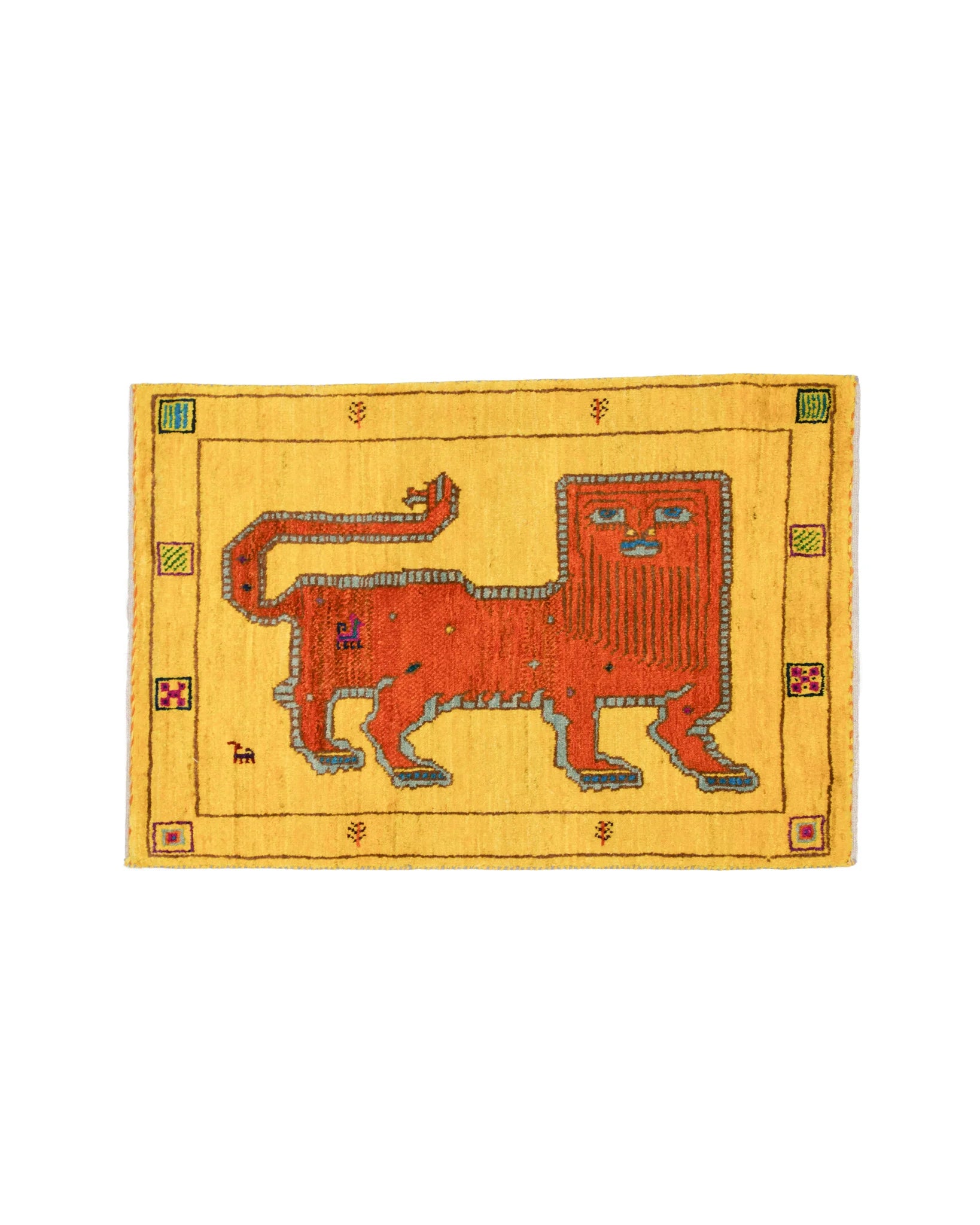


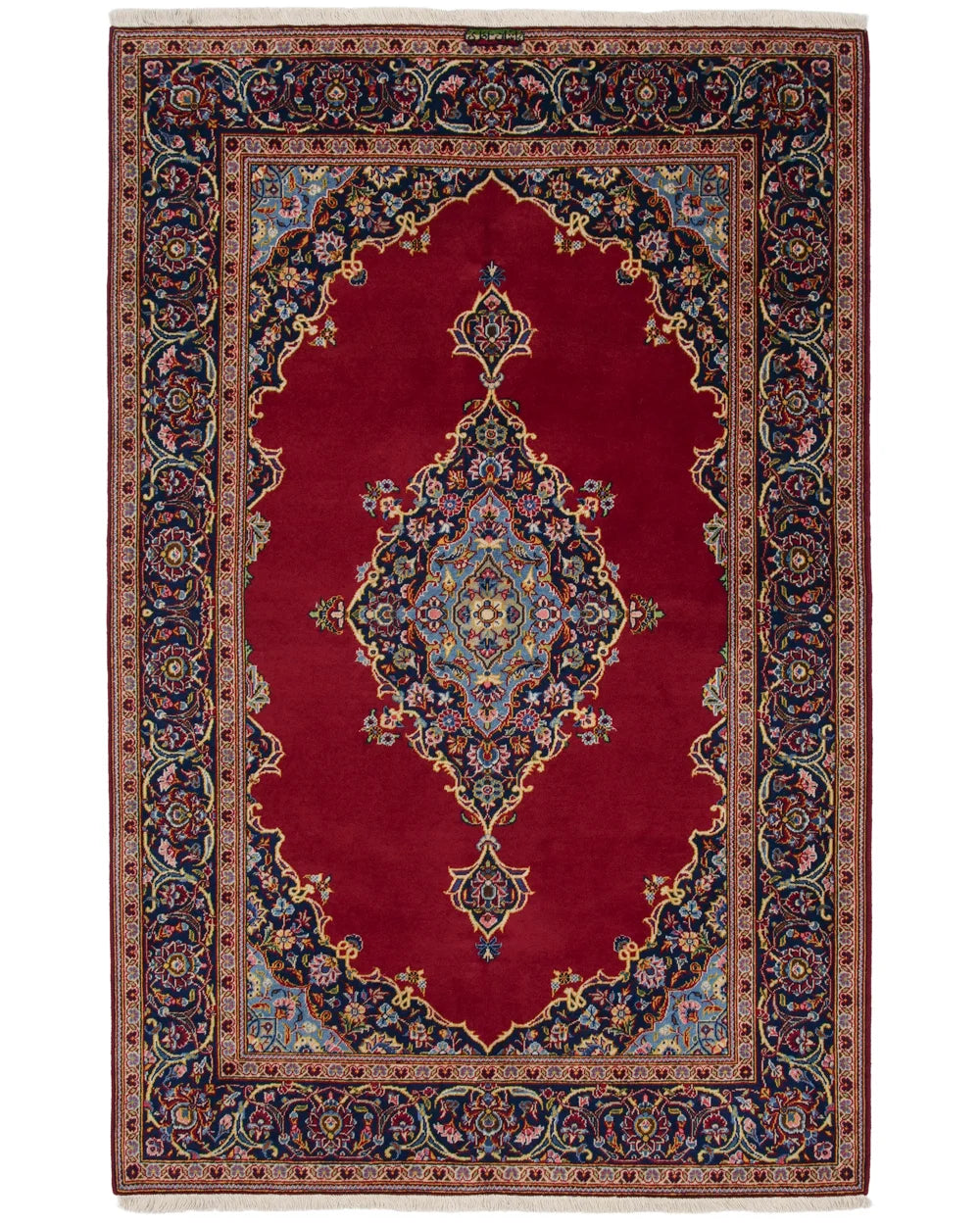



Gabbeh is a hand-knotted rug created by nomadic tribes such as the Qashqai and Luri, who have lived around Shiraz in southwestern Iran. Originally born out of necessity for bedding in their harsh mountainous nomadic lifestyle, it was woven coarsely from sheep wool to create a plush and comfortable product. True to its Persian name meaning "coarse" or "rough," the weaving is indeed rough, and for a long time, it was overlooked in the rug market. However, in recent years, its rustic designs and vibrant colors from natural dyes have been reevaluated. Below, we will explain the origins and development of Gabbeh, focusing on the Qashqai, Luri, and Shiraz, as well as the historical features reflected in their patterns and materials.
Qashqai Gabbeh
The Qashqai are Turkic nomads who are believed to have migrated south to the present-day Fars region (around Shiraz) from the north by the end of the 16th century. During their migration, they incorporated various textile cultures, particularly absorbing the weaving techniques and designs of the indigenous Luri people to develop their unique Gabbeh. Qashqai Gabbeh is woven freely by women without specific patterns, embodying wishes for family and nature. Patterns often depict livestock such as goats and sheep, as well as motifs of trees known as the "Tree of Life," resulting in a warm and inviting style complemented by the rustic colors of natural dyes.
Luri Gabbeh
It is said that Gabbeh was woven by the Luri even before the advent of Islam, and some theories trace its origins to the Luri tribe. The Luri are an ancient tribe that has long been settled in southwestern Iran, and their weaving skills are highly regarded. The high-quality Gabbeh they produce is known as "Luribaft." Luribaft features designs ranging from symmetrical geometric patterns to pictorial designs, and its intricate weaving and traditional floral motifs are praised for their artistic quality. Additionally, the rustic traditional pieces woven from natural wool differ significantly in character from the modern, refined Luribaft.
Shiraz Region and Gabbeh
Shiraz is a region (city) located in Fars Province in southwestern Iran. The Gabbeh produced there is characterized by bright colors influenced by the Qashqai tribe and casual motifs such as medallions. The Gabbeh began to gain attention as a product in the late 20th century when Shiraz rug merchant Golamreza Zolnabi introduced Gabbeh, which had been practical items for tribal people, to the world with vibrant colors from natural dyes, creating modern and artistic Gabbeh that sparked a global trend. In 2010, traditional Gabbeh weaving was registered as a UNESCO Intangible Cultural Heritage.


