


Kilim is a flat-woven textile characterized by its unique designs and hand-weaving techniques. With its wide appeal, kilim is not only used in interiors but has also been incorporated into modern fashion. This article introduces its charm, history, and how it can be integrated into your lifestyle.
What is Kilim? Its Charm and Features
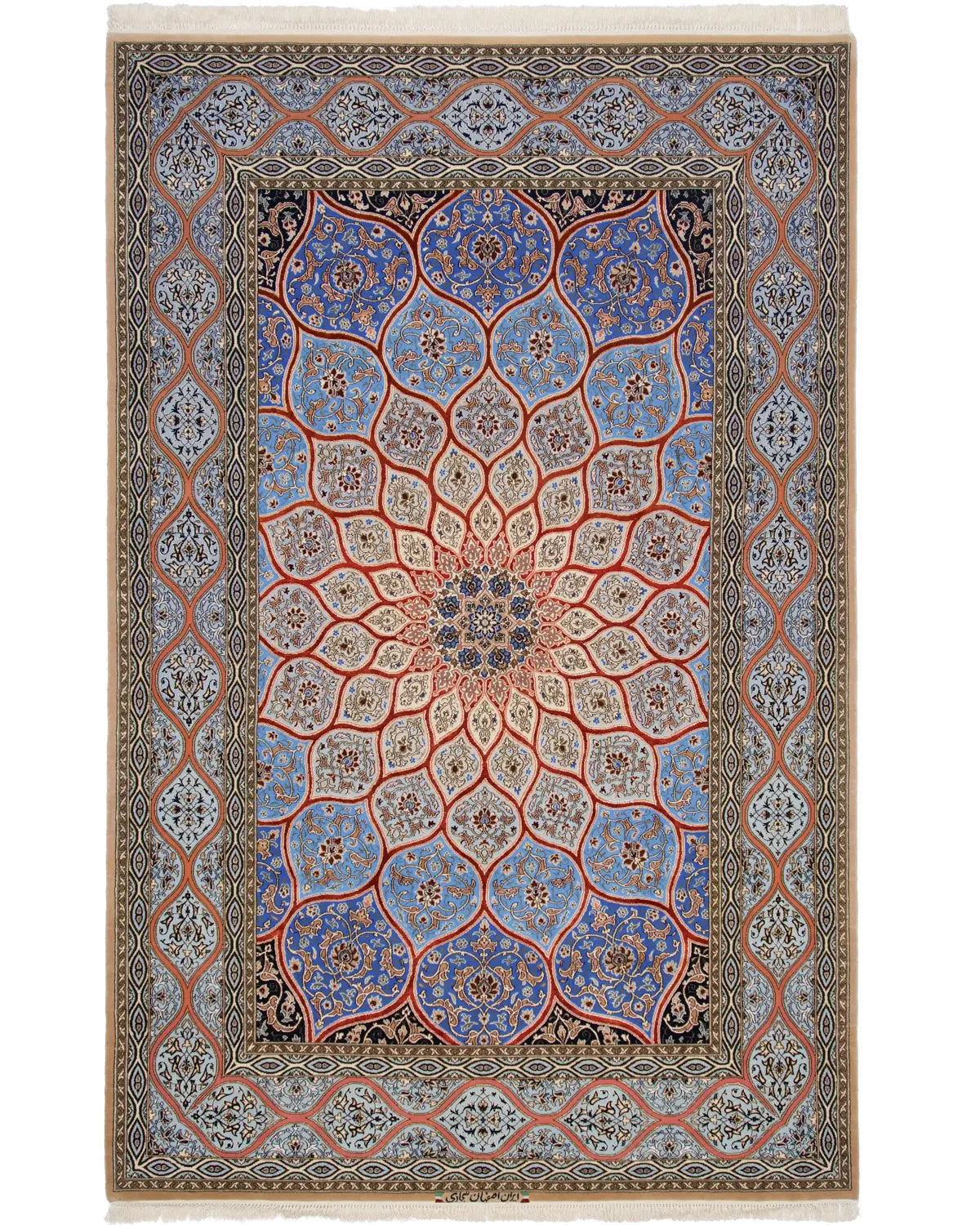
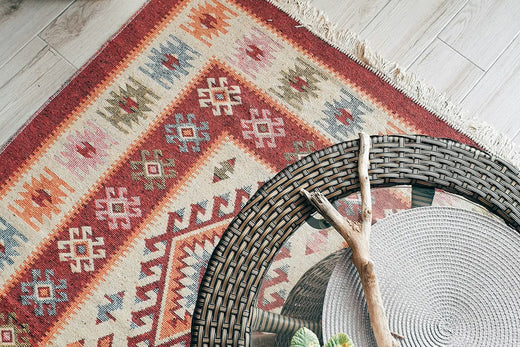
Kilim is a traditional textile that developed mainly in Turkey and Central Asia, made from natural materials such as wool and cotton. Its distinctive feature is the thin and lightweight finish achieved through flat weaving techniques, along with beautiful designs centered around geometric patterns. Being reversible, it is highly practical and popular as both interior decor and wall hangings.
Moreover, kilim is durable and long-lasting, making it a treasured item that can be used for a lifetime. Each piece is uniquely designed due to the hand-weaving process.
The History and Origins of Kilim
The history of kilim dates back to around 2500 BC. In regions such as Central Asia, Iran, Turkey (Anatolia), and Azerbaijan, women have meticulously woven kilims for their families, as well as for wedding dowries and gifts.
Kilim means "without pile," playing an important role in Persian culture, where different types of floor coverings are used according to the seasons.
Weaving Techniques and Types
There are several weaving techniques for kilim. The most common is "flat weaving," which creates a sturdy fabric by alternating the warp and weft threads. Other techniques include:
Sumak Weaving: Characterized by its three-dimensional designs.
Jajim Weaving: A technique that allows for finer patterns to be woven in.
These techniques result in a variety of designs and textures in kilim.
Differences Between Kilim and Other Rugs
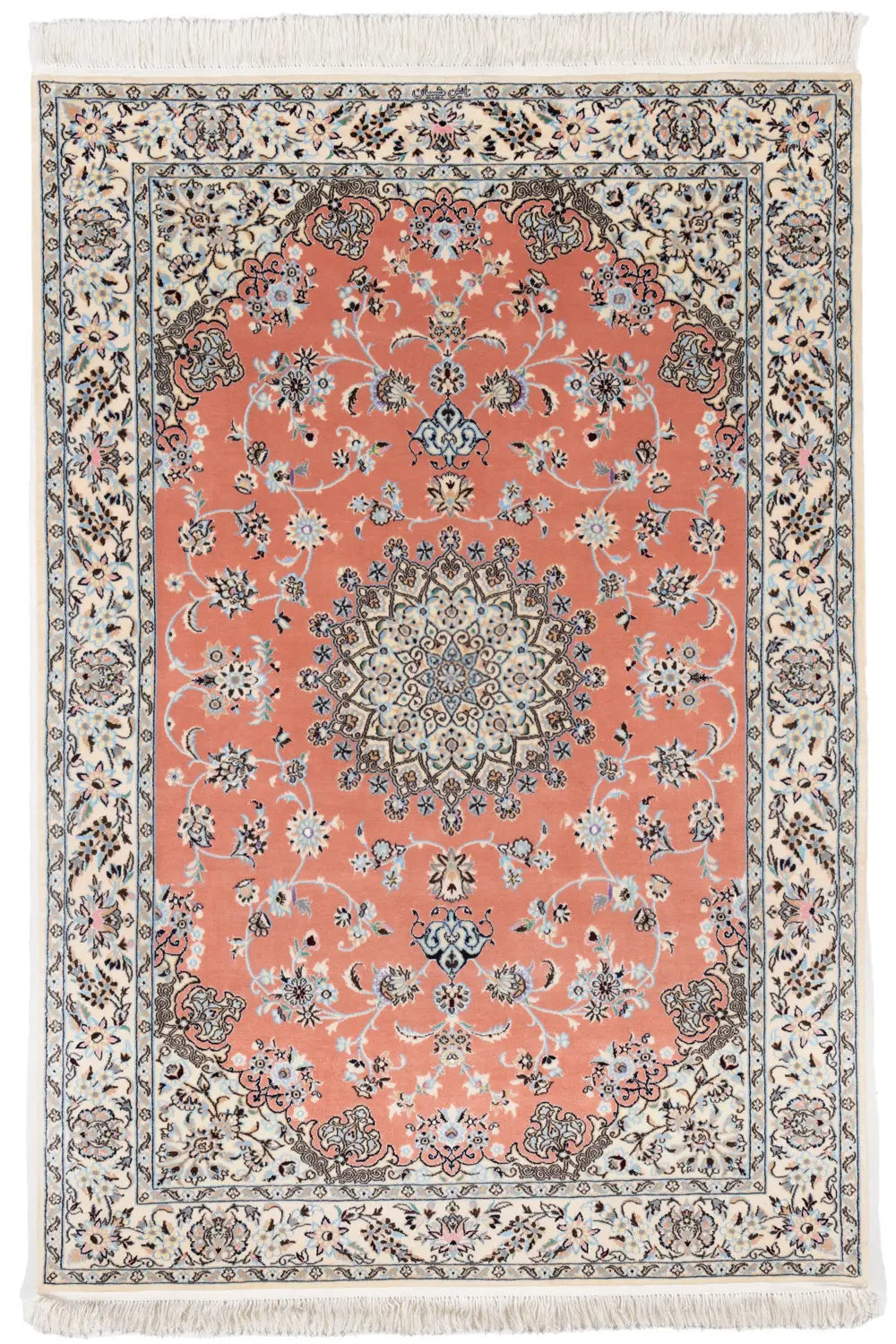
Unlike traditional pile rugs, kilim is flat-woven, resulting in a smooth finish without pile. This makes it lightweight and easy to transport, suitable for use as wall hangings or furniture covers.
In contrast, other rugs often refer to those with pile.
The Relationship Between Kilim and Fashion
In recent years, the beautiful patterns and colors of kilim have garnered attention as fashion items. Many designers and brands have incorporated kilim designs into accessories such as shoes and bags, blending its charm with modern styles. The designs and patterns of kilim are recognized by fashion enthusiasts worldwide as unique items with cultural significance.
Conclusion
Kilim is not only beautiful but also carries cultural meaning and historical background, making it a highly appealing item. The unique patterns created through hand-weaving are appreciated and loved around the world. It has also been integrated into modern fashion trends, adding color to people's lives through its diverse applications.
