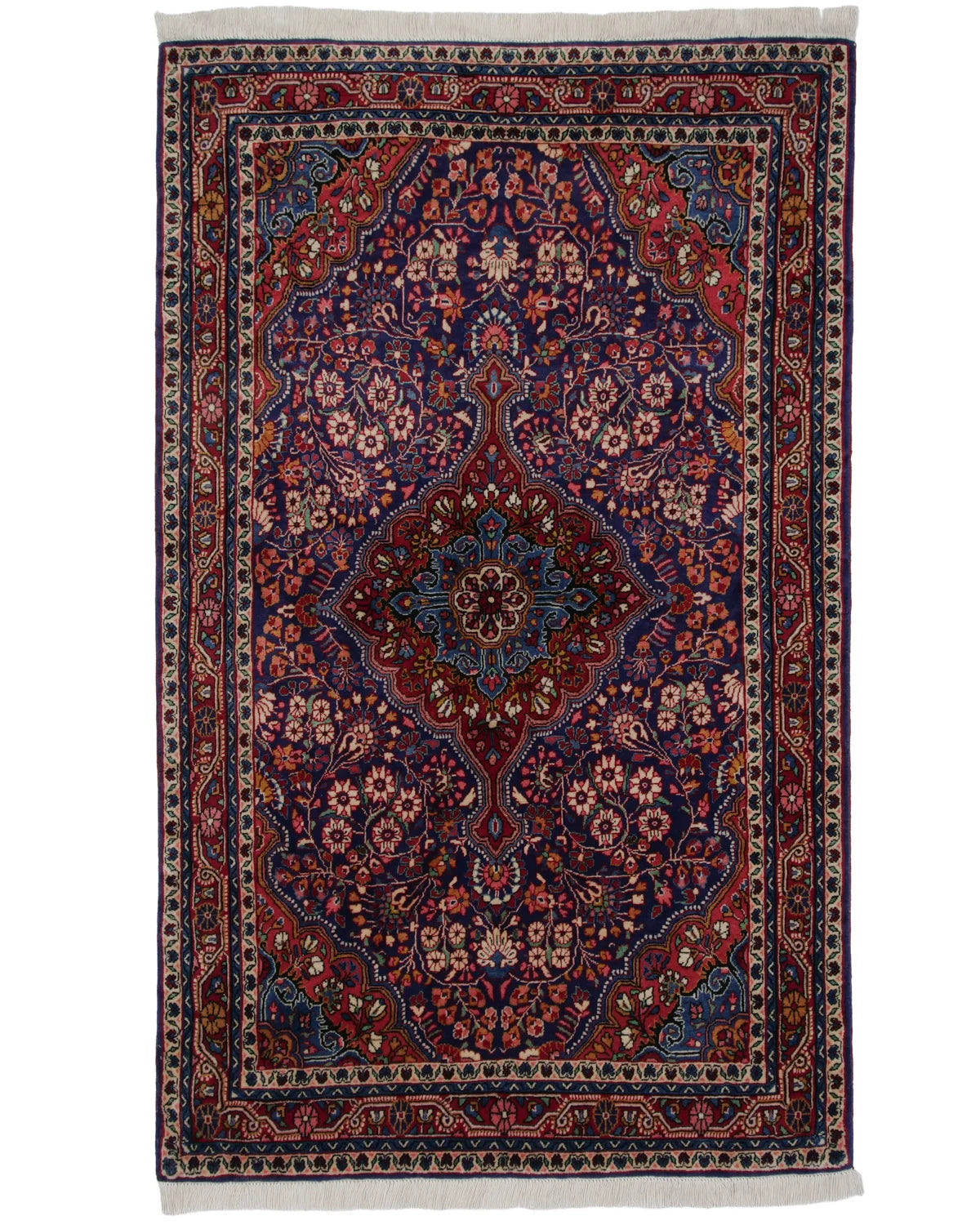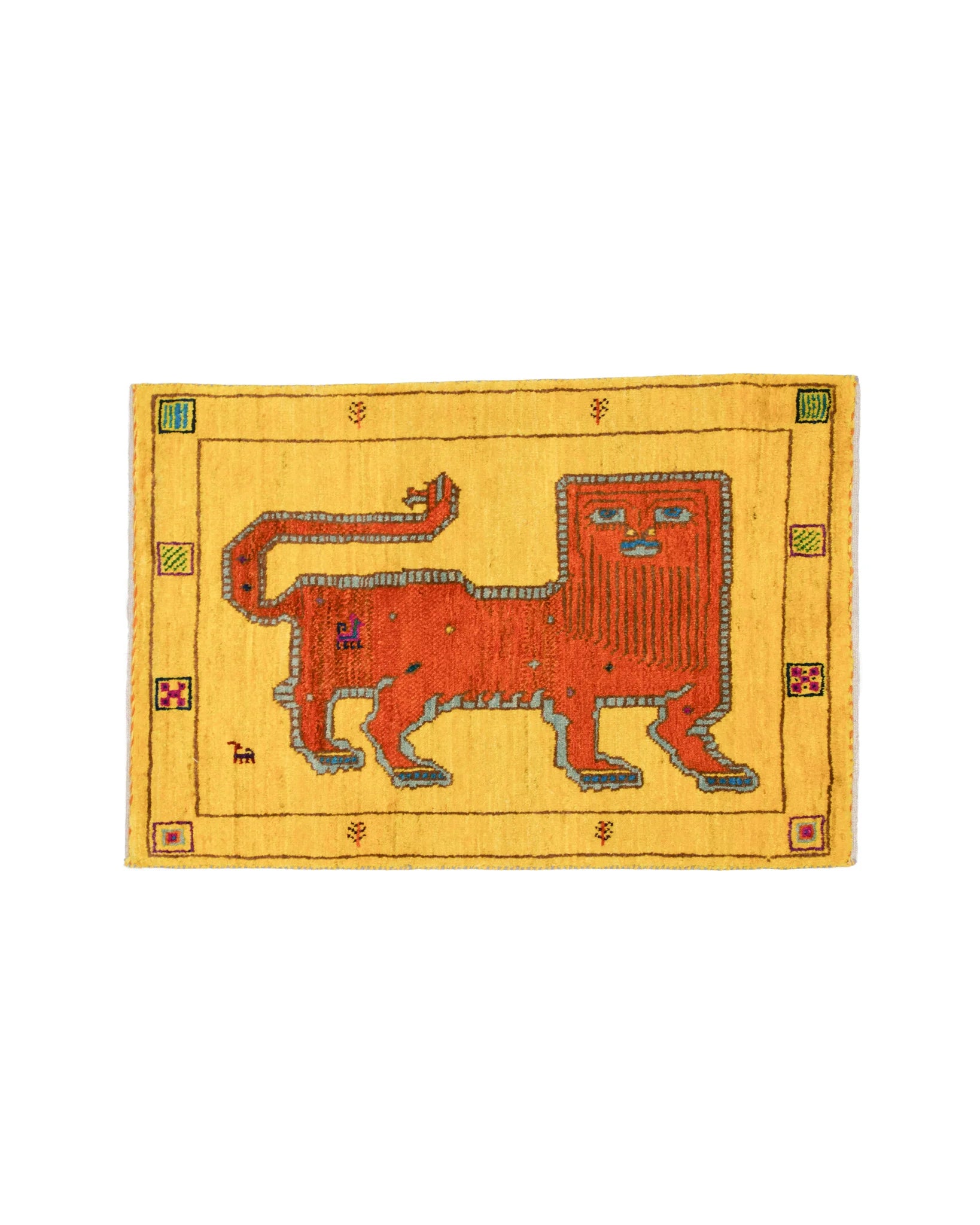


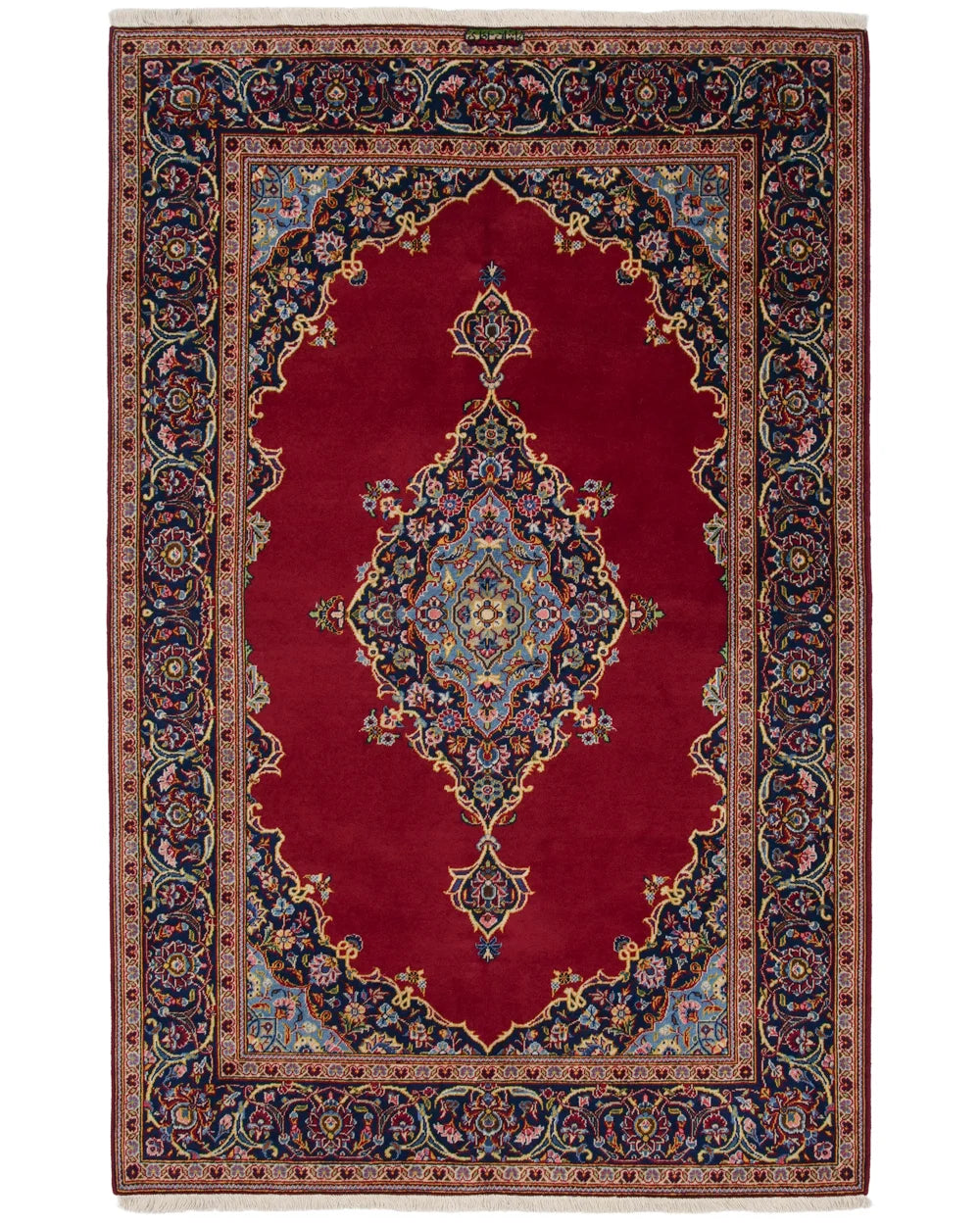


Persian rugs are hand-knotted rugs made in Iran, used not only as floor coverings but also as wall hangings and tablecloths. Known worldwide for their intricate patterns and high quality, their origins date back to ancient times. Over approximately 2500 years of history, designs and techniques have evolved under the influence of various cultures and dynasties.
Table of Contents
Origins and Ancient Development of Persian Rugs
The Pazyryk rug, woven around the 5th century BC, is known as the oldest existing hand-knotted rug. It is woven with high density and features intricate decorations, including animal motifs. During the Achaemenid period (6th to 4th century BC), luxurious rugs adorned palaces, and records indicate that Alexander the Great was astonished by their beauty.
In the subsequent Sassanian period (3rd to 7th century), rug culture further developed as a symbol of royal authority. The "Rug of Spring," said to have been woven under Khosrow I, is known for its grandeur, with a length of 140 meters.
The Golden Age of the Safavid Dynasty
The Safavid dynasty of the 16th to 17th centuries is regarded as the golden age in the history of Persian rugs. Under the patronage of Shah Tahmasp and Shah Abbas I, numerous masterpieces were created.
Shah Abbas I moved the capital to Isfahan and encouraged rug production by protecting the royal workshops. During this period, luxurious rugs using gold and silver threads emerged, featuring elegant compositions with floral patterns and central medallions. These designs became models for later hand-knotted rugs and are still highly regarded today.
Modern Dynasties and the Revival of the Rug Industry
In the 19th century, during the Qajar dynasty, the rug industry, which had once declined, experienced a revival. Particularly in the late 19th century, a Persian rug boom in Europe led to a dramatic expansion in production.
In the subsequent Pahlavi dynasty (1925–1979), the royal family emphasized the inheritance of traditional patterns and quality improvement. During the era of Reza Shah, a state-owned rug company was established, and a management system for production and export was put in place, stabilizing its reputation in international markets.
Persian Rugs Passed Down to Modern Times
Even after the revolution in 1979, the production of Persian rugs has continued uninterrupted. Today, Iran remains one of the largest rug-producing countries in the world, accounting for approximately 30% of the global market.
In recent years, competition has intensified with machine-woven products and inexpensive imitations produced in other countries, but the artistry and quality backed by a long history remain unwavering. Persian rugs, with their unique value derived from handcrafting, continue to receive high acclaim worldwide.