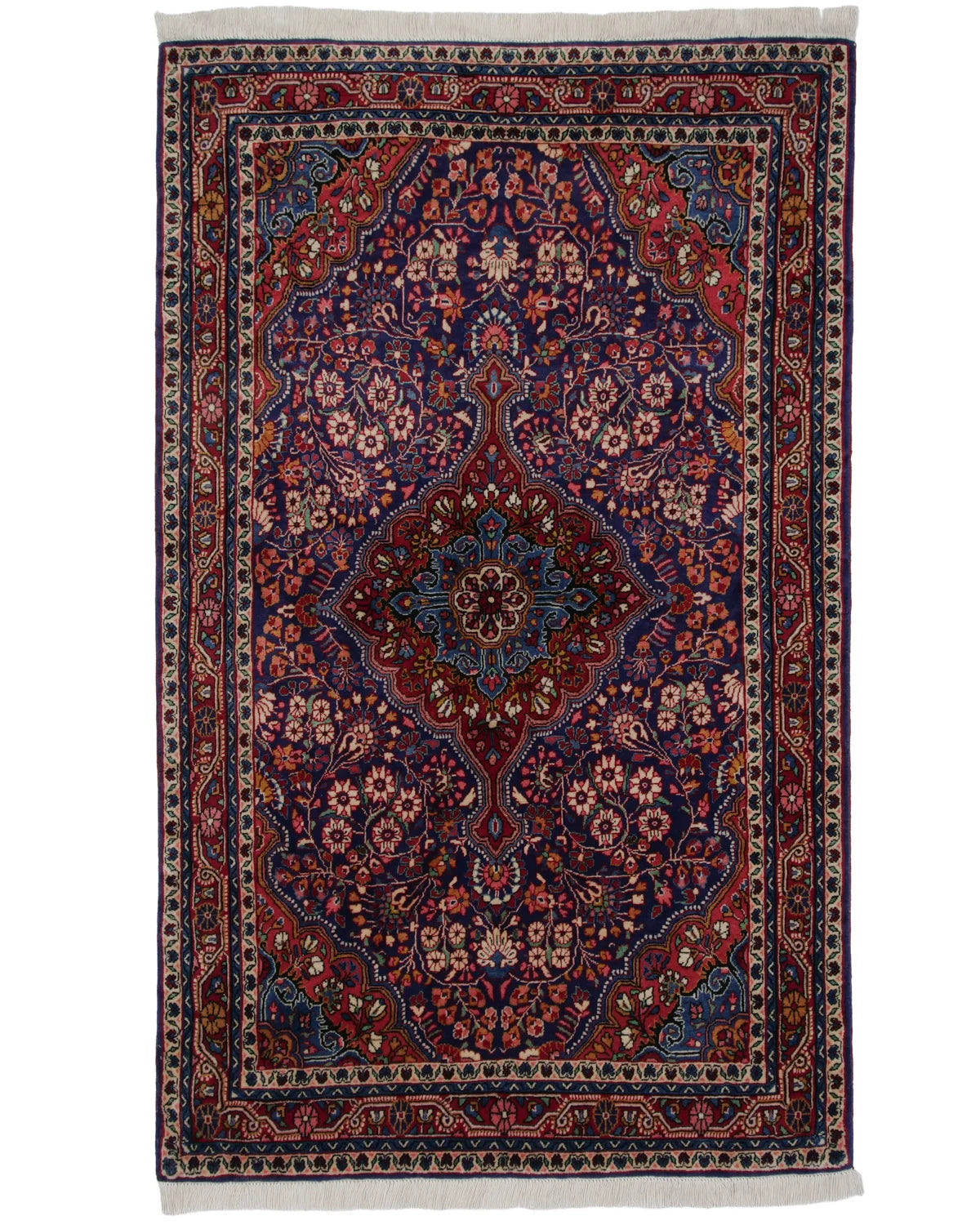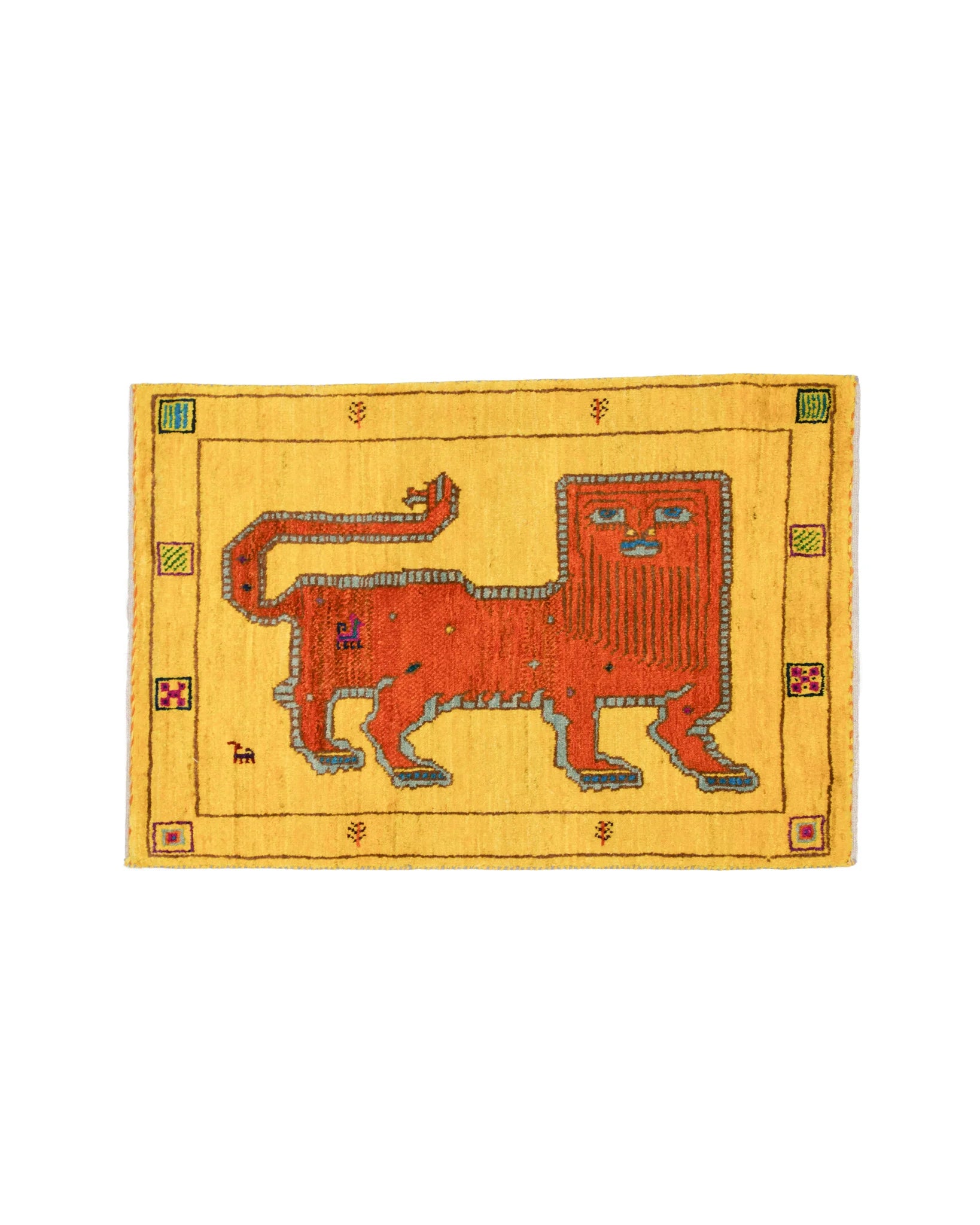


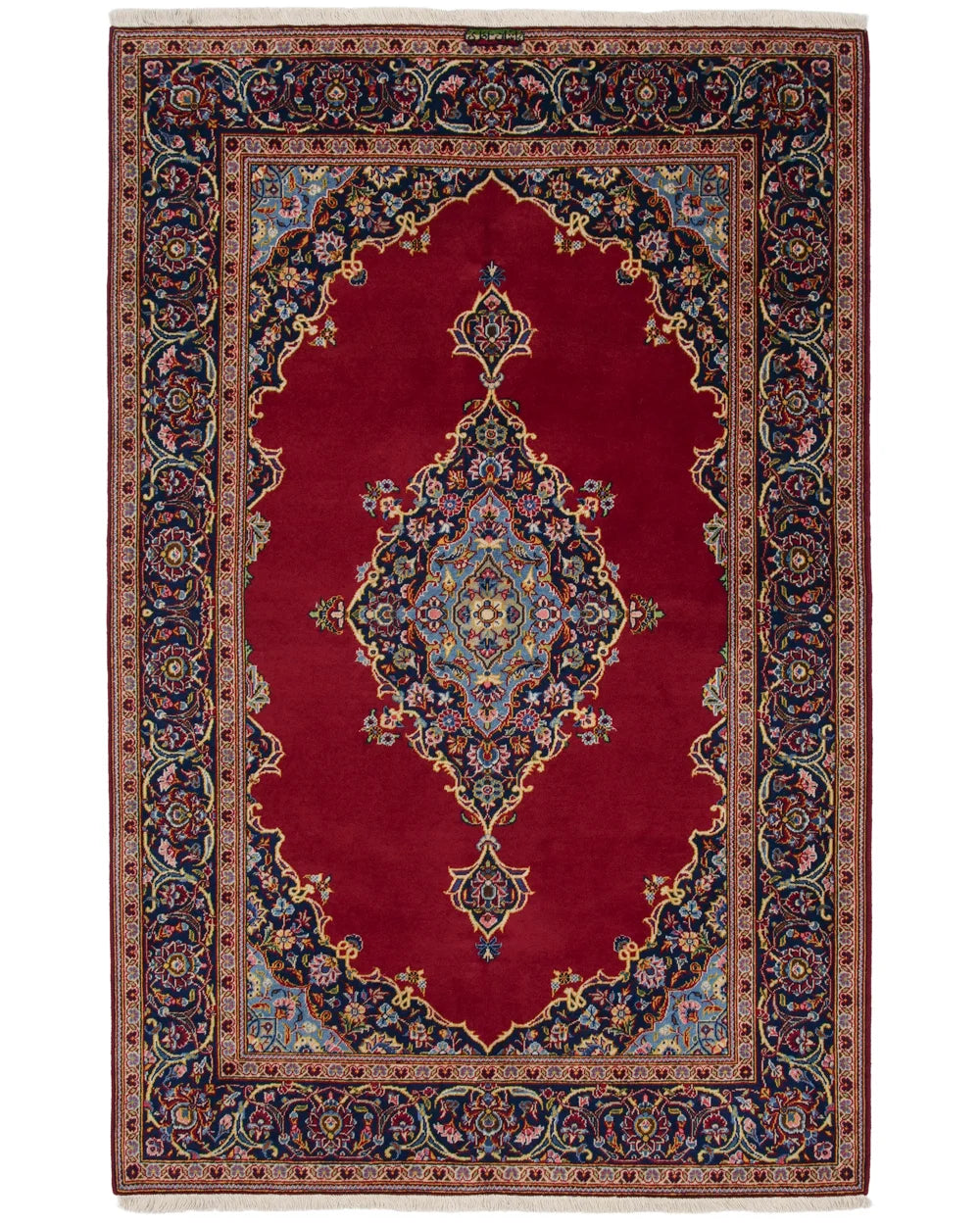


The design of Persian rugs has undergone significant transformations throughout history, evolving from geometric and simple patterns to magnificent floral motifs. This evolution reflects the political and cultural influences of each era, with the woven patterns and colors vividly embodying the aesthetic sensibilities of the time.
Table of Contents
Ancient to Medieval: The Era of Geometric Patterns
In ancient Persia, such as during the Sassanian period, vibrant rugs featuring woven plants and animals were also created. However, after the 7th century, influenced by Islamic culture, abstract patterns like geometric designs and arabesques became predominant.
Miniature paintings from the Timurid period depict rugs arranged in star and octagonal shapes, with designs characterized by linear and repetitive structures.
Safavid Era: Design Innovation and the Flourishing of Floral Patterns
With the establishment of the Safavid dynasty in the 16th century, rug workshops were organized under royal patronage, leading to the establishment of advanced techniques and refined styles.
This era saw significant transformations, introducing compositions featuring large medallions at the center, flowing arabesques, and lavish patterns filled with flowers. The vibrant colors achieved through natural dyes are also characteristic of this period.
Qajar Era: Revival and Simplification of Traditional Patterns
In the late 19th century during the Qajar dynasty, production and export for Western markets became active. Consequently, designs shifted from the complex patterns of the previous era to more straightforward and simplified forms.
Patterns featuring traditional motifs such as Herati (fish and flower designs) and boteh (paisley-like arabesques) became mainstream. Additionally, the introduction of chemical dyes (aniline) allowed for vivid color expressions, although it also led to issues with color fading and a loss of traditional texture.
Modern Era: Restoration of Tradition and Contemporary Design
Entering the 20th century, movements to reassess the traditions of Persian rugs emerged, leading to the reintroduction of natural dyes and the revival of classical patterns.
Simultaneously, new designs incorporating modern sensibilities began to be woven using ancient techniques. Thus, Persian rugs continue to evolve, blending tradition with modernity.