



Persian rugs have been valued as works of art that transcend mere floor coverings, thanks to their intricate patterns and rich colors. Particularly during the Renaissance period in Europe, Persian rugs brought from the East were depicted in paintings, playing an important role as religious and social symbols. This article explains the characteristics of Persian rugs and their depiction and significance in Western painting.
Table of Contents
Origins and Characteristics of Persian Rugs
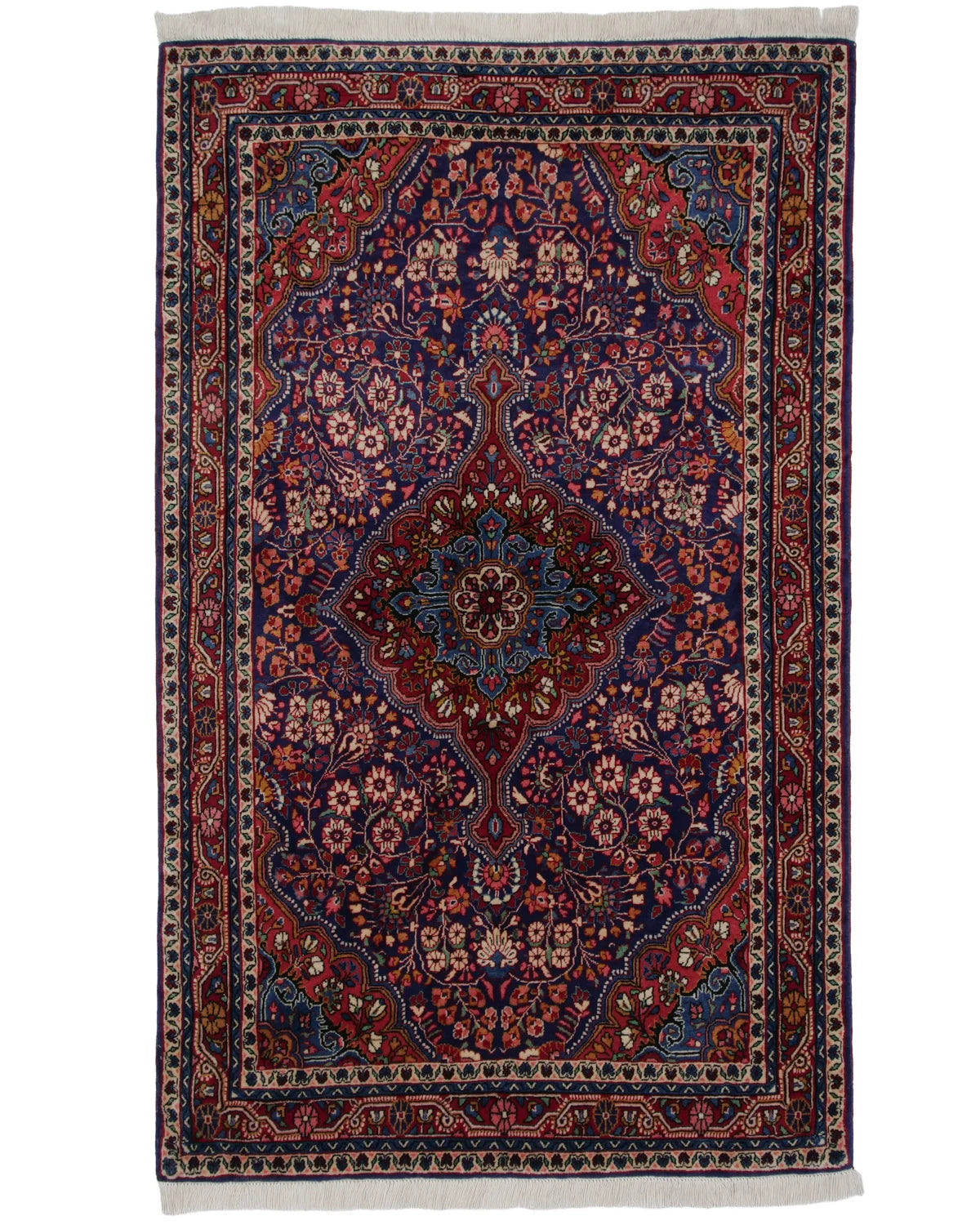
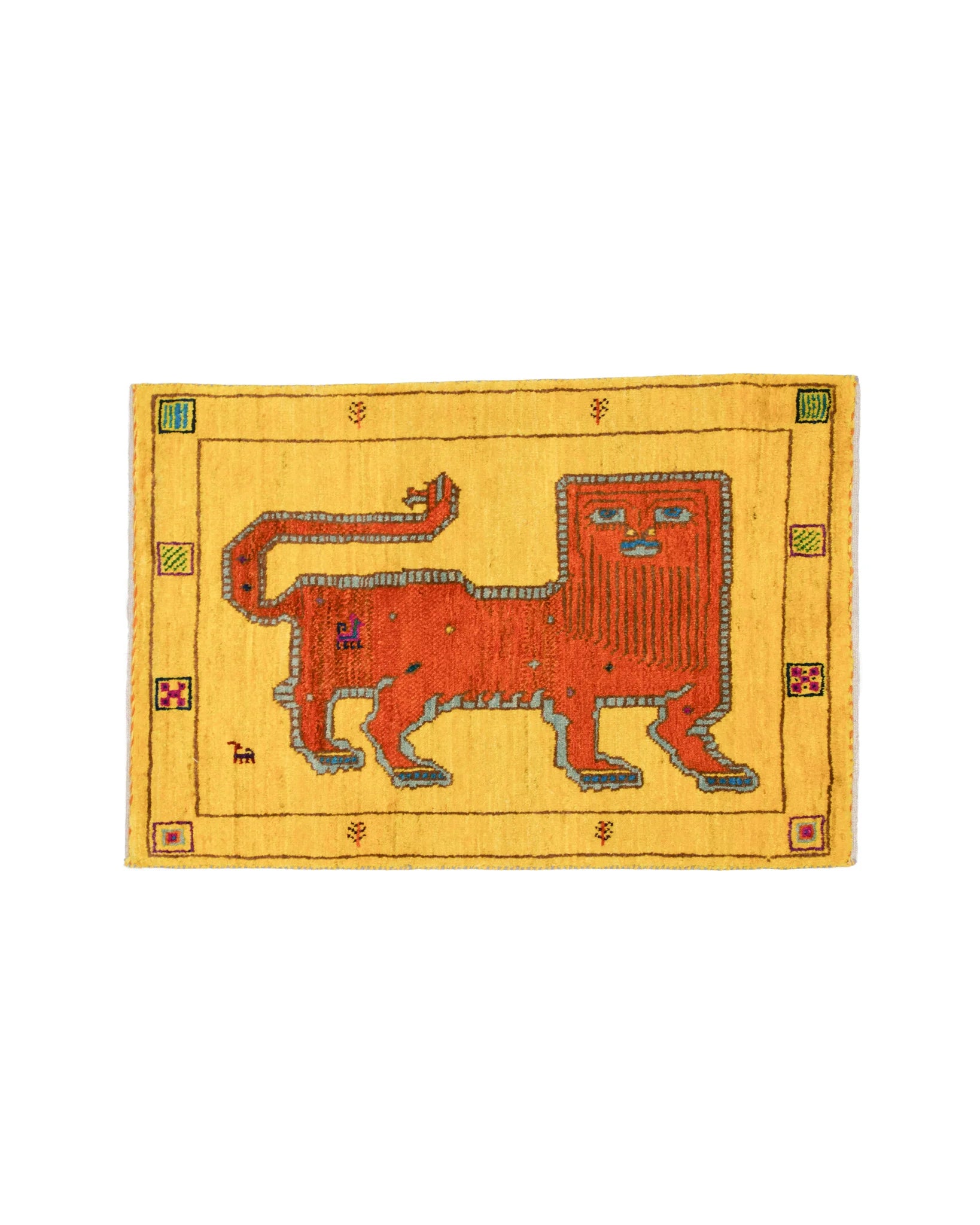
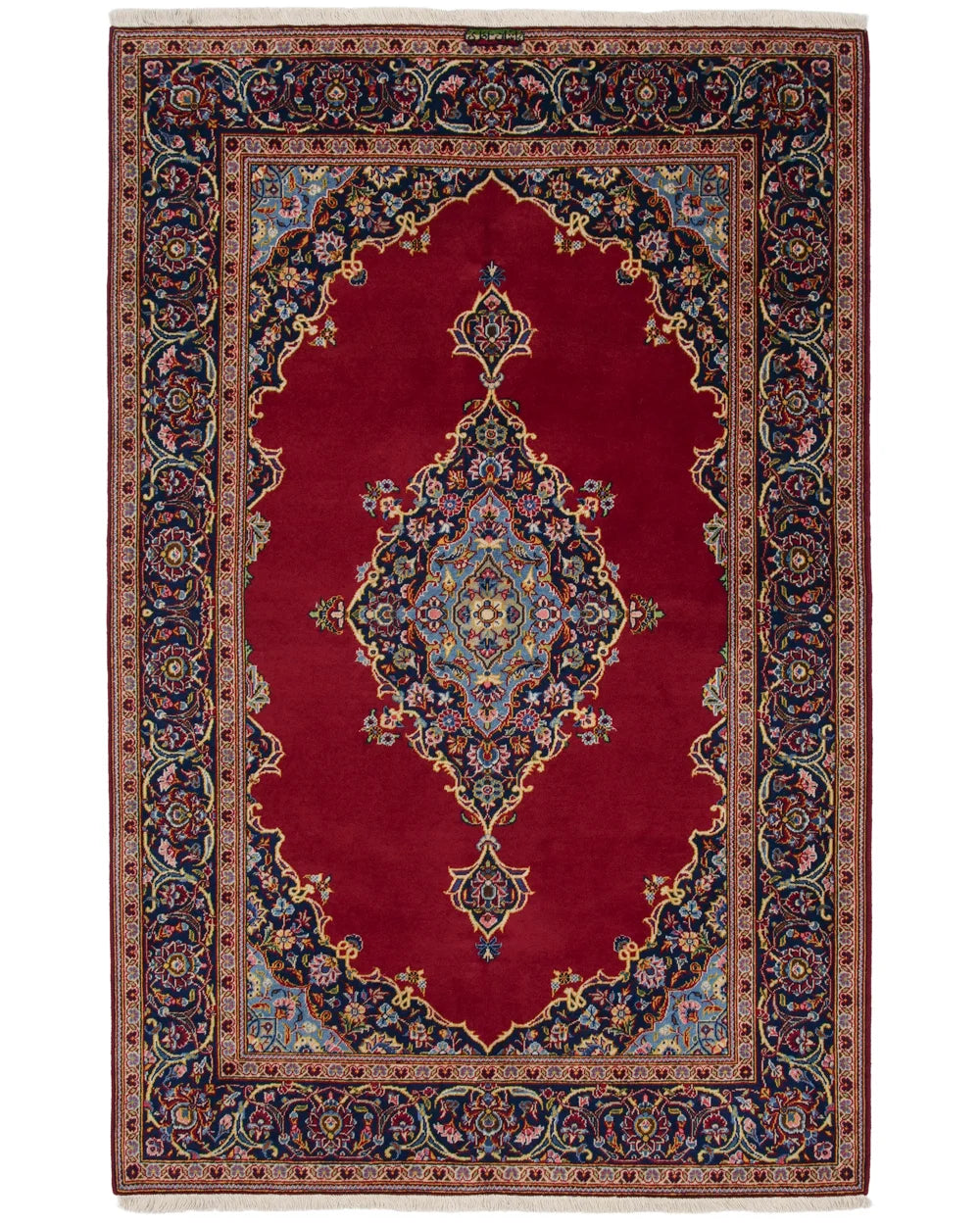
Persian rugs are traditionally hand-knotted in regions centered around present-day Iran. The materials used primarily include wool and silk threads, combining durability and luster. The calculated designs and vibrant colors, featuring geometric and floral patterns, are significant characteristics.
These rugs, which developed in Eastern regions such as Anatolia (Asia Minor) and Persia, were introduced to Europe after the 14th century. At that time, they were considered extremely rare and expensive in Europe, treated more as decorative items with artistic value than practical goods.
Persian Rugs in Renaissance Religious Paintings
In 15th to 16th century Renaissance Western paintings, Persian rugs appear as important elements that adorn the scenes. Particularly in religious paintings, compositions often feature rugs laid at the feet of the Virgin Mary or saints.
The Flemish painter Jan van Eyck depicted Eastern rugs with remarkable precision in his works from the 1430s. The geometric patterns, combining octagons and diamonds, are believed to have origins in Anatolia and Persia.
These rugs served not merely as decoration but played a role in highlighting the sacred presence and enhancing the overall grandeur of the composition.

Jan van Eyck - [1]Heritage Brugge, Public Domain, link provided
The Role of Rugs in Portraits and Secular Paintings
By the 16th century, Persian rugs began to appear not only in religious paintings but also in portraits and secular scenes. This was because owning Eastern rugs itself became a symbol of wealth and social status.
In the works of the Italian painter Lorenzo Lotto, a luxurious rug featuring a yellow arabesque pattern on a red background is depicted. This distinctive patterned rug later became known as the "Lotto rug."
This indicates that rugs woven in Anatolia were already circulating throughout Europe in the 16th century.
Cultural Influences Brought by East-West Trade
The spread of Persian rugs in Europe was facilitated by active East-West trade routes such as the Silk Road and Mediterranean trade. A variety of Eastern products, including rugs, were brought from the Ottoman Empire and Safavid Persia.
These trade routes not only facilitated the movement of goods but also promoted the transmission of techniques and artistic styles. As a result, elements of Eastern culture were incorporated into Western art during the Renaissance, greatly expanding the scope of expression.
The Persian rugs depicted in paintings can be seen as symbols of the intersection and fusion of Eastern and Western cultures, adding unique depth and color to Western art.