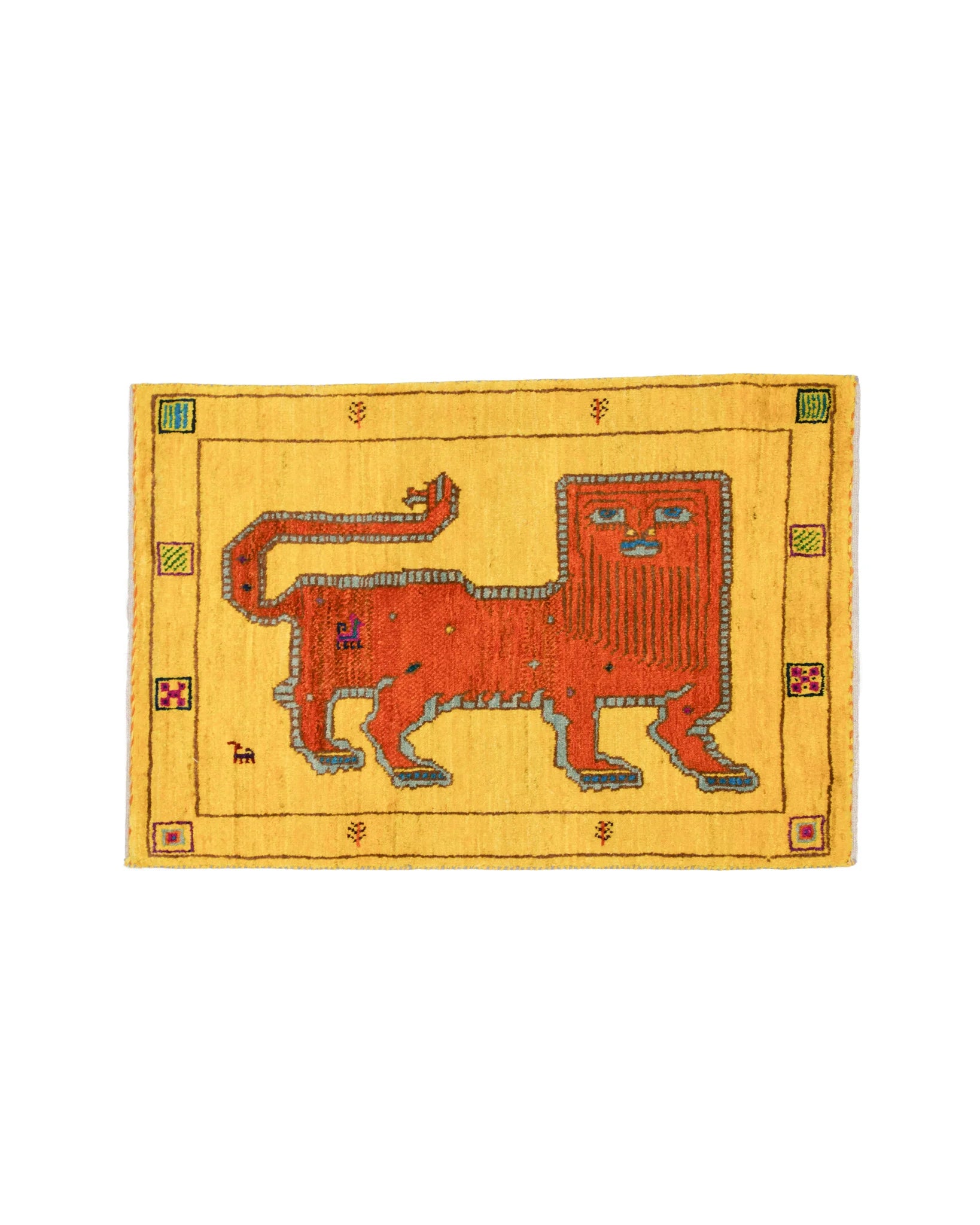


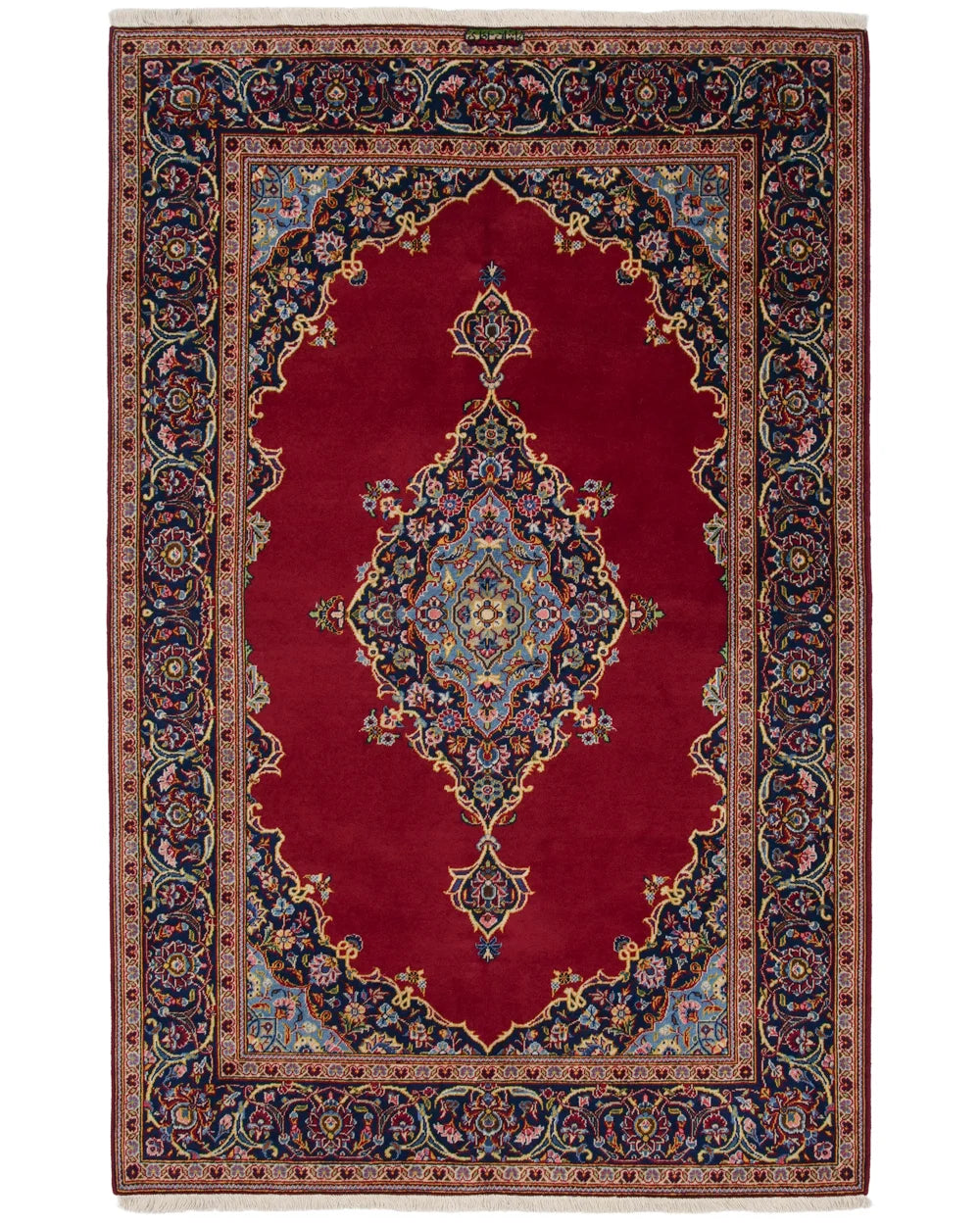


Gabbeh are often grouped together, but due to the intricacy of weaving and the sophistication of design, they are classified into several ranks.
A high-quality Gabbeh refers to rugs that are woven with a very high density, using premium wool, and hand-knotted by skilled artisans in Iran. The finer the weave, the more intricate the patterns can be expressed, resulting in a beautiful sheen and smooth texture. In particular, the finely woven "Kashkuli" is positioned among the highest ranks of Gabbeh.
Gabbeh are classified by weaving density in the order of "Regular Gabbeh" < "Amare" < "Kashkuli". The higher the weaving density, the more knots there are, allowing for the incorporation of delicate patterns. For example, Kashkuli is woven with 2 to 3 times the fineness of a regular Gabbeh, using thin single-ply yarn for a meticulous finish. Due to the finer weave, production takes longer, resulting in higher prices, and rugs that are densely woven are evaluated as higher quality.
Gabbeh are made from 100% natural wool and are dyed using traditional plant-based dyes. The finest quality products use particularly high-quality indigenous Iranian wool yarn, which excels in luster and durability. The hues achieved through plant dyeing possess a depth not found in chemical dyes and are said to resist fading even after years of use.
Authentic Gabbeh are hand-knotted using traditional techniques by nomadic tribes such as the Qashqai in southern Iran. As artisans create knots one by one while weaving, it is a labor-intensive process, but this results in rugs that are less prone to fraying, durable, and long-lasting. In recent years, "copy Gabbeh" imitations have circulated from countries like India and China, but these are mass-produced items made with machine weaving or simplified handlooms, and do not match the quality of the originals. Only Gabbeh woven using traditional techniques from Iran are considered truly valuable pieces.


