

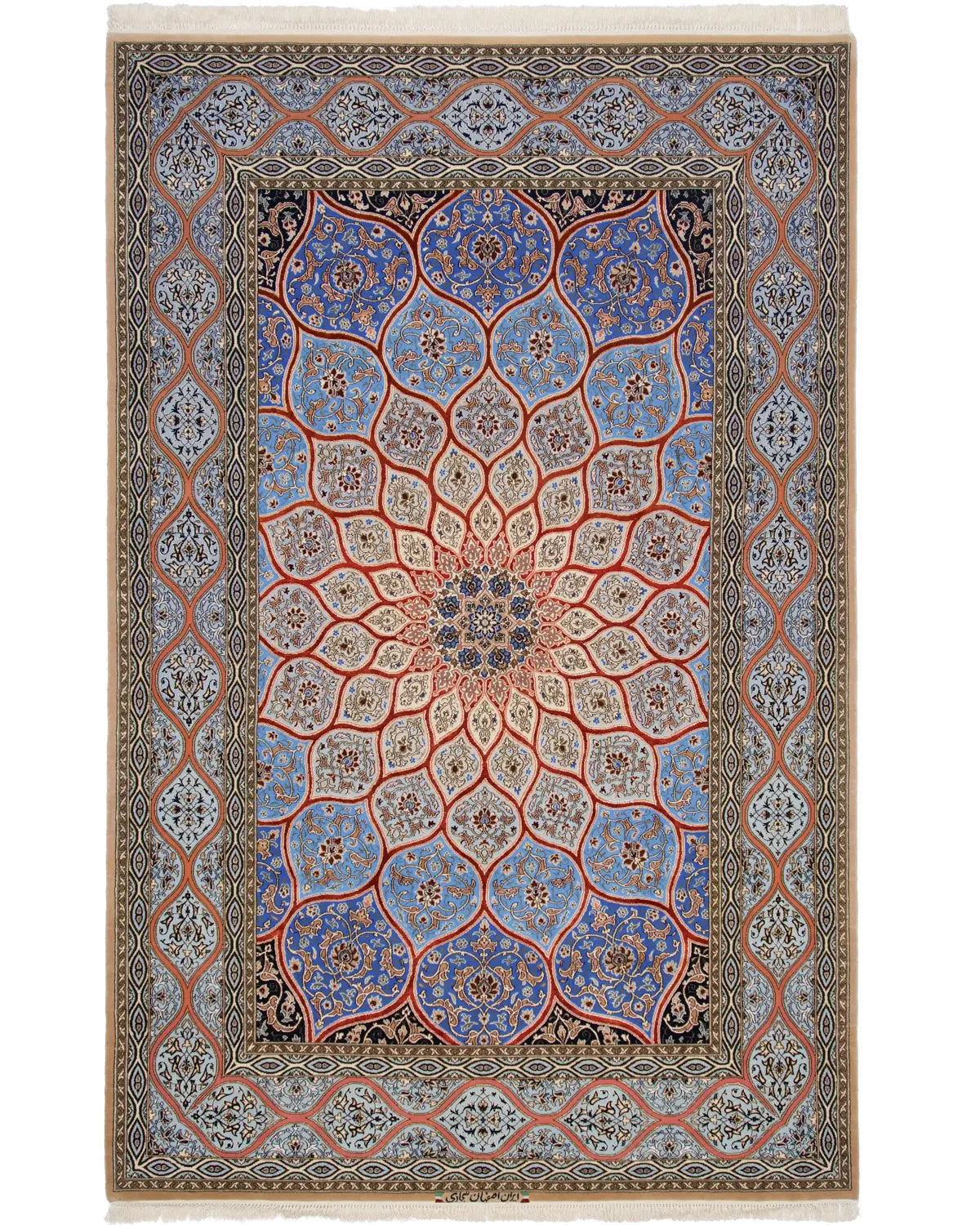
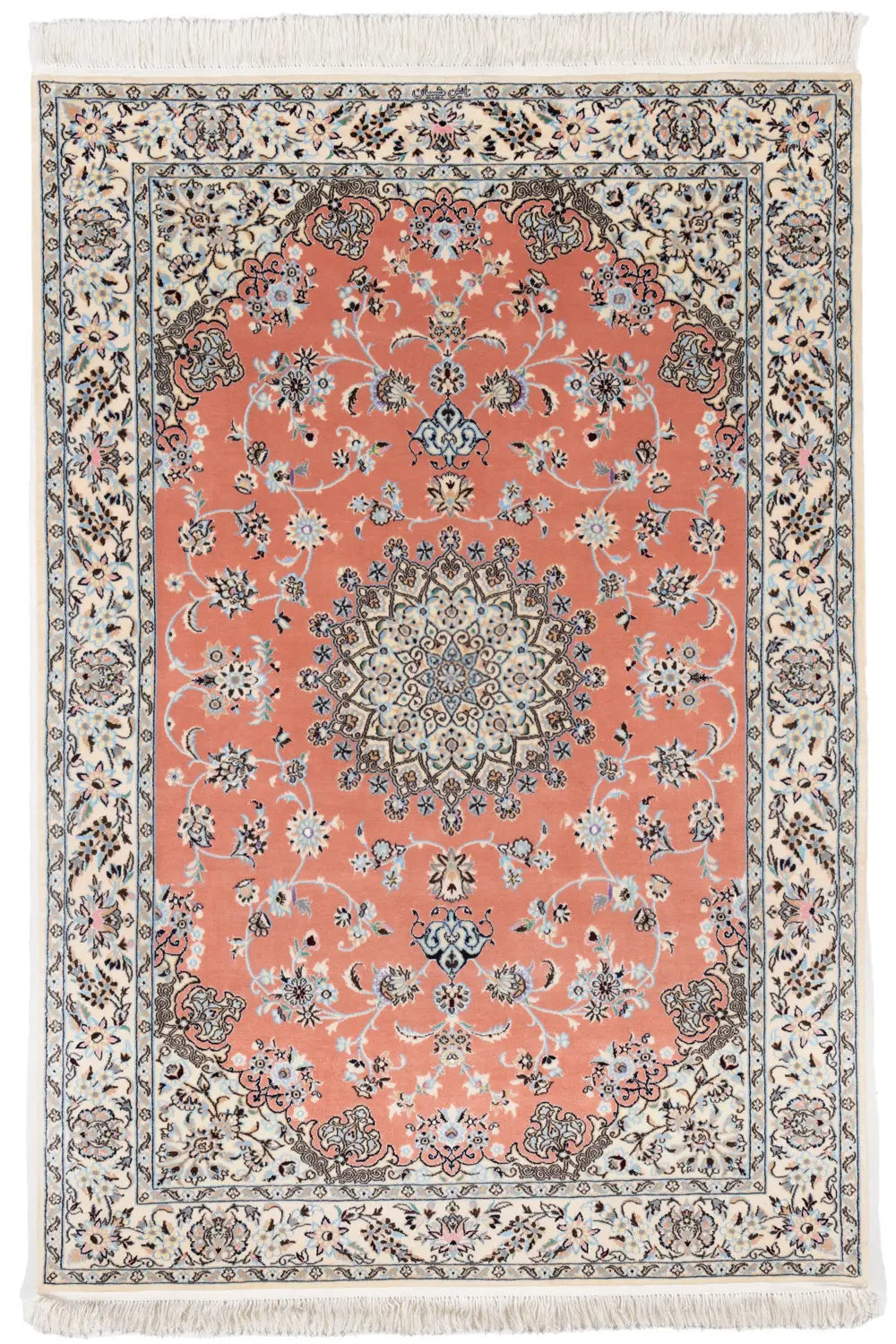


Handwoven rugs are lifelong treasures, while machine-woven rugs are convenient consumables.
Even though they are both called "rugs," the differences become clearer the more they are used.
What is a Handwoven Rug?
A handwoven rug is an art piece created by artisans who tie each thread individually.
The back also features patterns, and since no glue is used, they can be folded softly.
The materials used are natural fibers such as wool and silk, and the colors from plant dyes deepen over time.
When actually used, you can feel the "softness and luster developing with each step."
Differences from Machine-Woven Rugs
Machine-woven rugs are mass-produced in factories, often by adhering pile yarns to a base fabric.
The back is stiff with white fabric or resin, making it difficult to fold.
They often use synthetic fibers, which keeps the price low, but the texture and durability do not match those of natural materials.
While they may look nice when new, over time, they tend to show "lightness" and an "artificial feel."
Differences in Durability and Value
Handwoven rugs are tightly woven, making them extremely durable, capable of lasting decades or even over a hundred years.
In fact, many households still use rugs that have been passed down from grandparents.
On the other hand, machine-woven rugs tend to experience shedding and glue deterioration within a few years, and are treated as consumables.
In terms of asset value, handwoven rugs appreciate as antiques, while machine-woven rugs are not valued in the second-hand market.