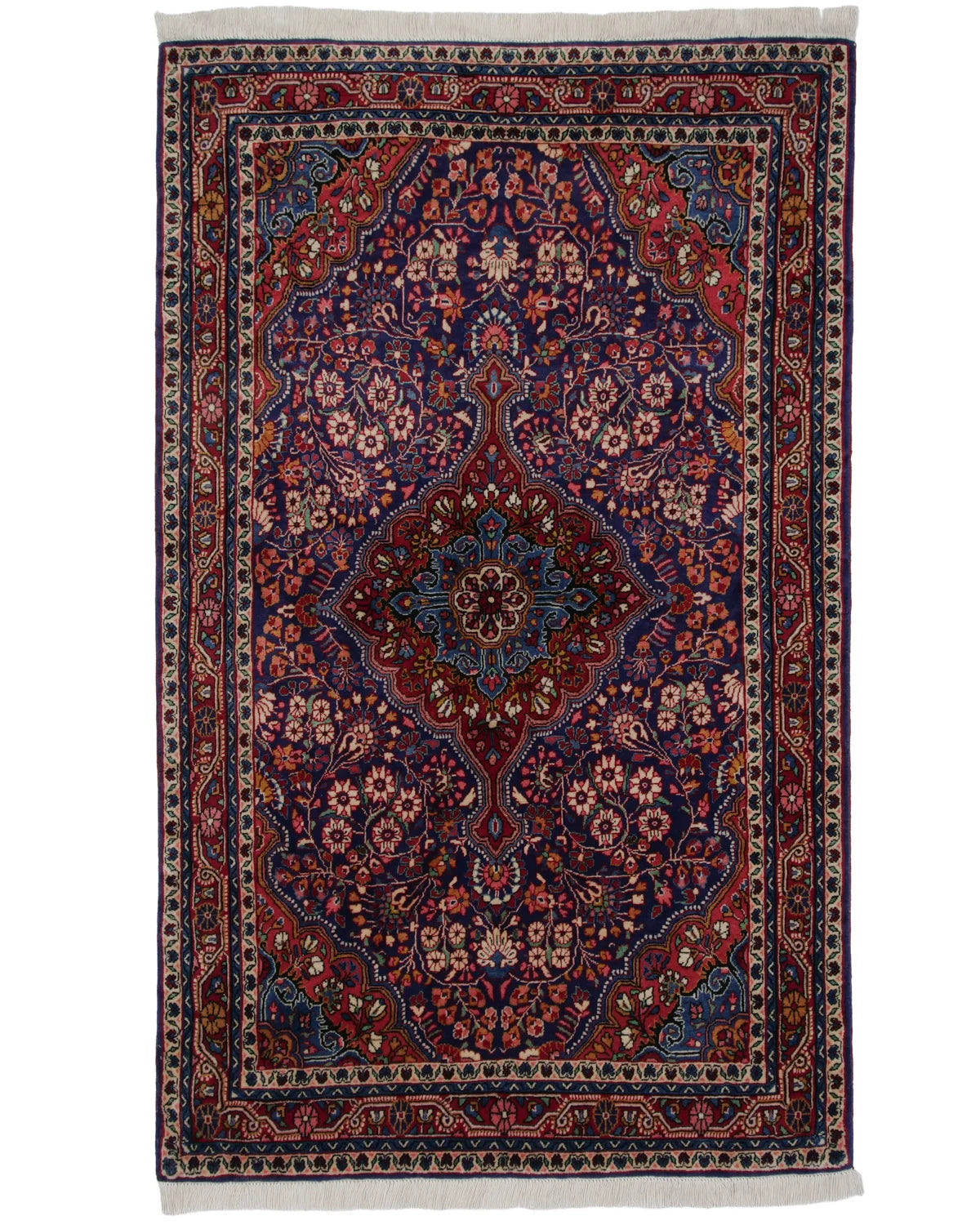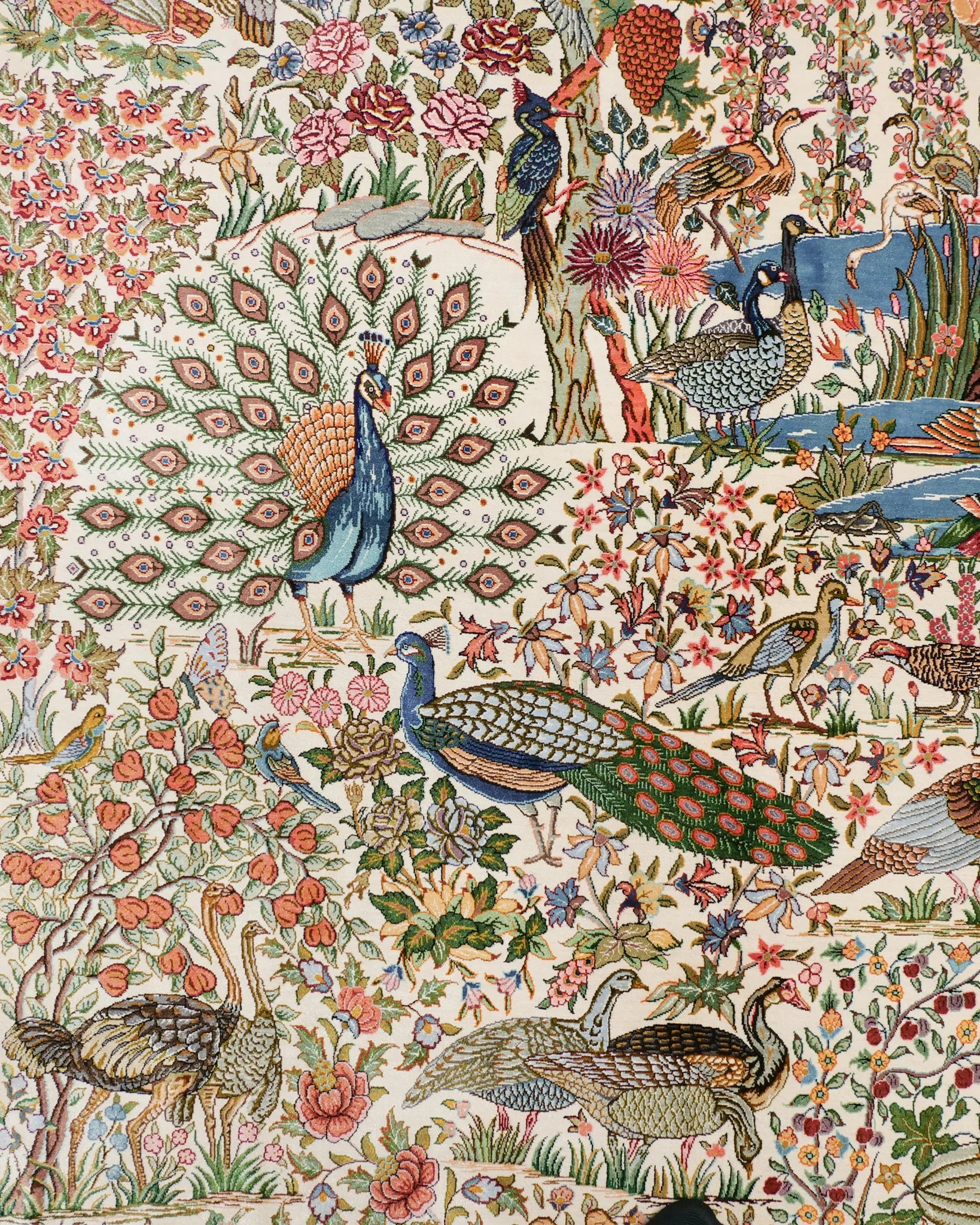

When purchasing a Persian rug for the first time, selecting a size that fits the intended space is the first step. It is advisable to understand the types of materials and design features, and choose a rug that suits your preferences and intended use.
Persian rugs come in various sizes, from small ones like entrance mats to extra-large sizes that can cover a 6-tatami room. Before purchasing, be sure to accurately measure the dimensions of the room or area where the rug will be placed. It is important to consider the arrangement of furniture and choose a rug of appropriate size. Rather than covering the entire floor with a rug, leaving some floor space can enhance the balance of the room.
Persian rugs are primarily made from natural materials such as wool and silk. Rugs made from synthetic materials are not authentic Persian rugs, so caution is needed. Wool rugs are highly durable and resistant to dirt, making them suitable for everyday use. Silk Persian rugs exude a delicate luster and have a very luxurious appearance. Silk rugs are more expensive than wool ones, and there can be significant price differences even for the same size.
The designs of Persian rugs vary by region and tribe, featuring a wide range from traditional patterns to rustic designs. For example, rugs from Tabriz in northwestern Iran feature traditional motifs inspired by fish (Mahi patterns) and are known for their high durability. On the other hand, the "Gabbeh" rugs woven by nomads in the southwestern region are characterized by their thick, rustic designs and soft texture. It is essential to choose the colors and patterns of the rug that match the atmosphere of the room and your personal taste.