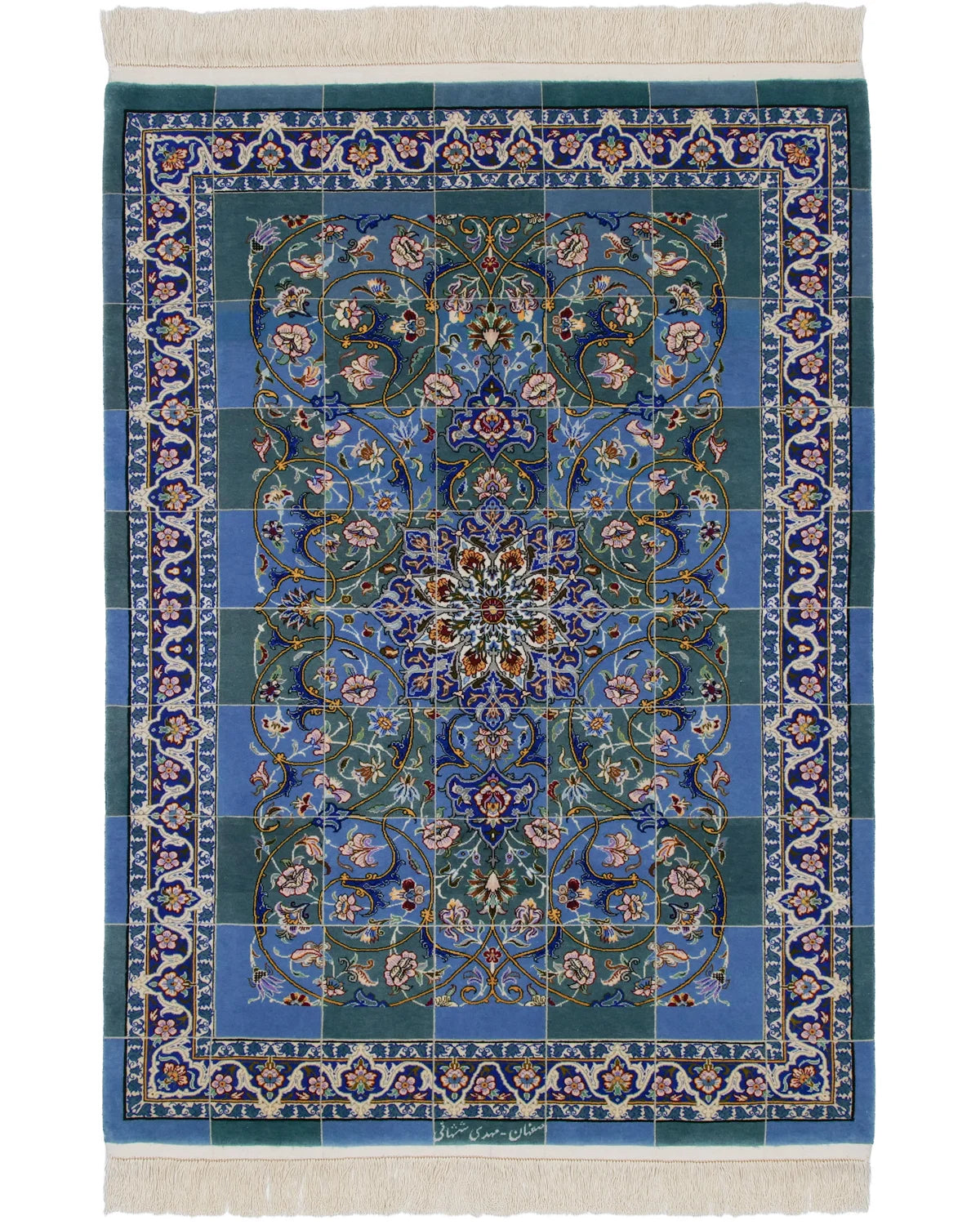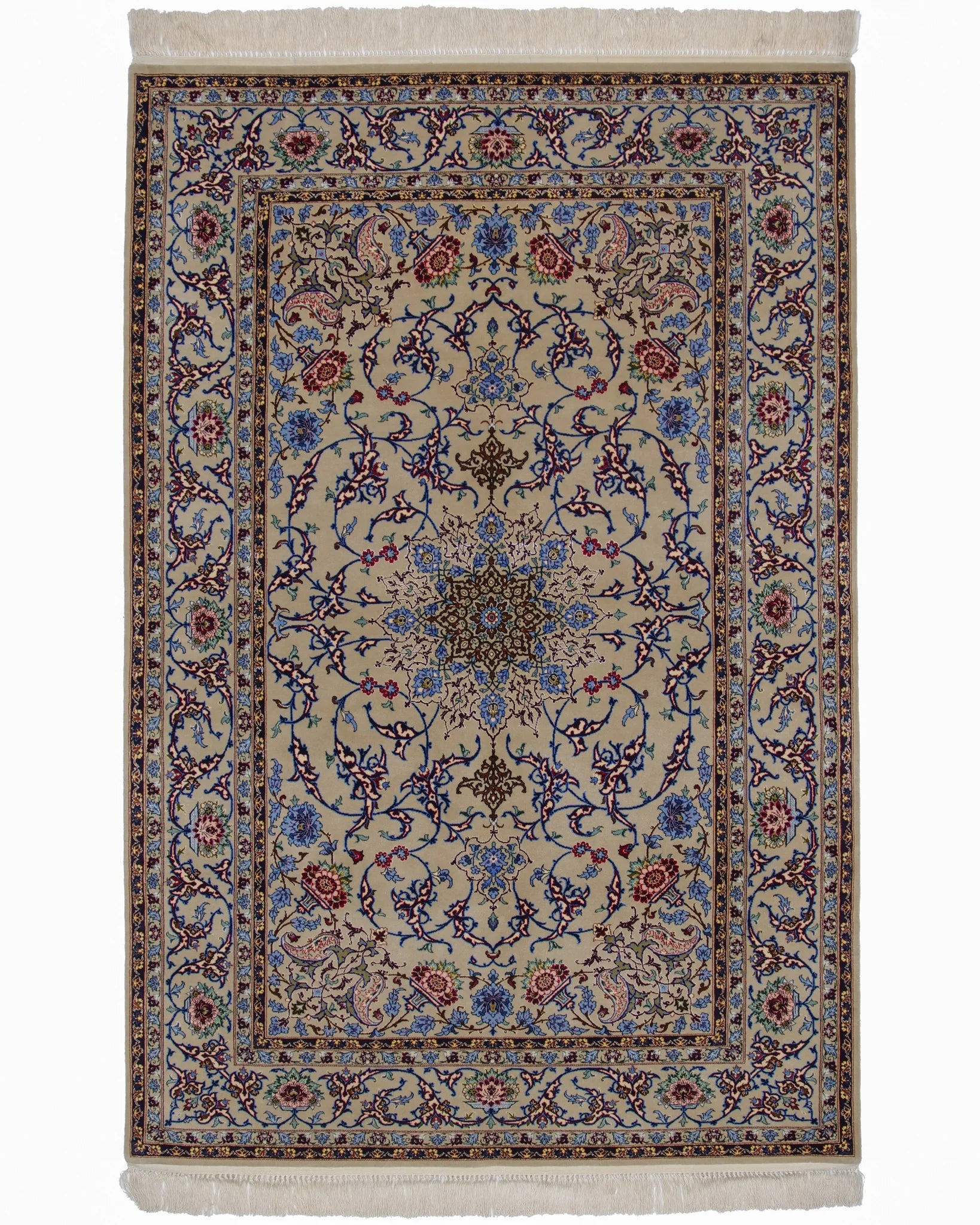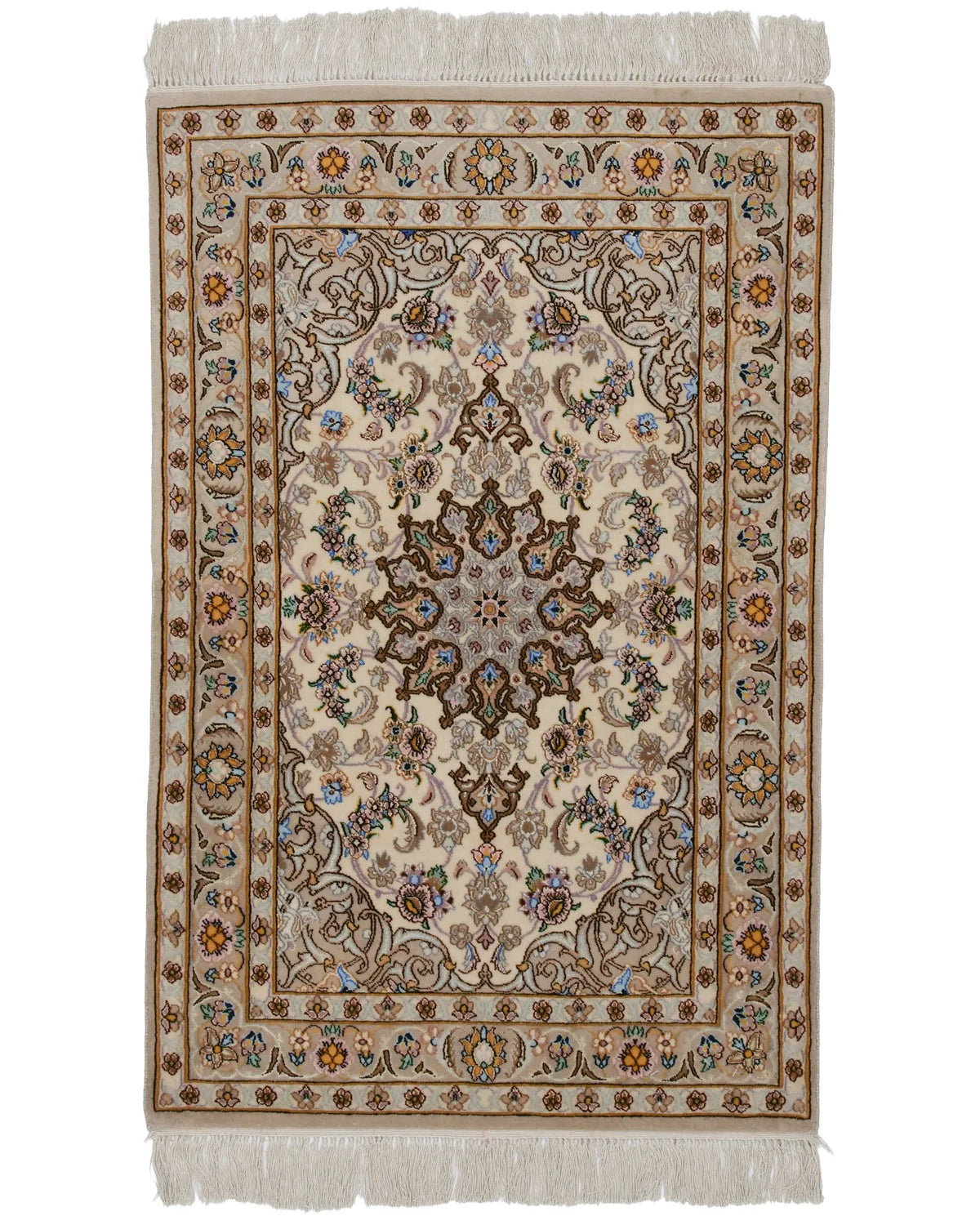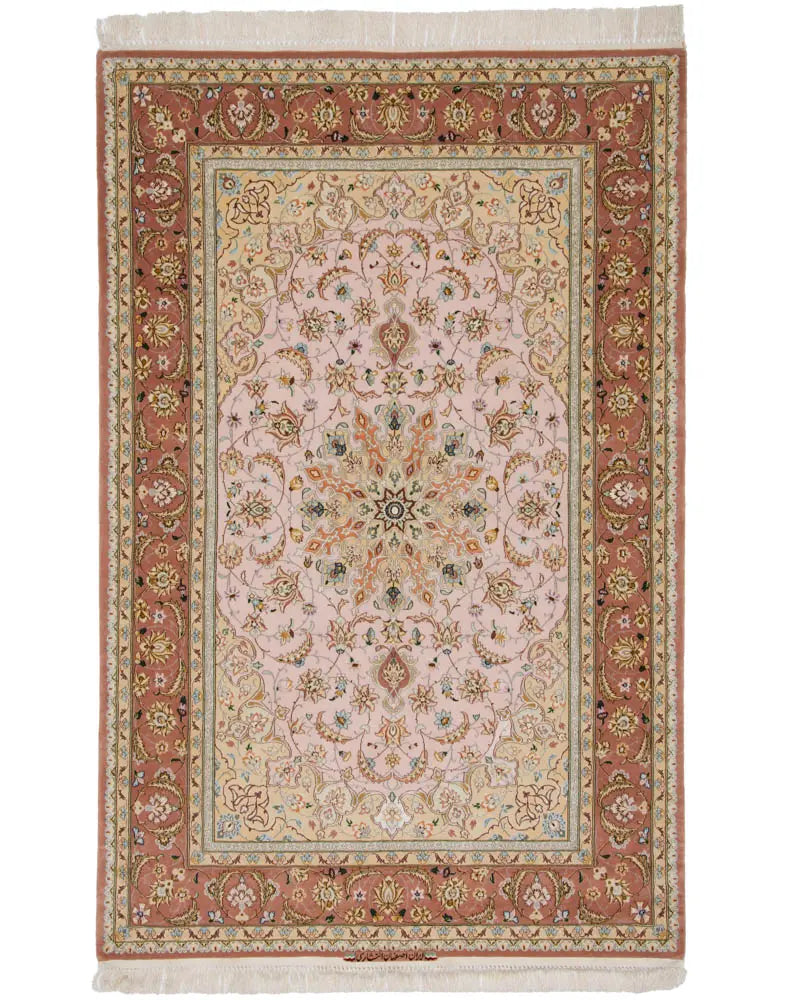
Isfahan is a historic city located in central Iran, boasting a history of approximately 2,600 years. With a current population of about 2 million, Isfahan is known as the third largest city in Iran, following Tehran and Mashhad. In the late 16th century, Isfahan became the capital under Shah Abbas I of the Safavid dynasty (16th to 18th centuries), and due to its prosperity, it was famously referred to as "Isfahan is half the world." Isfahan is often called "the pearl of Iran" for its beauty, and it is home to many cultural heritage sites, including magnificent Islamic architecture.
The origins of Isfahan date back to ancient times, with urban formation believed to have begun around the 6th century BC. Isfahan thrived as a crucial point on the Silk Road trade route. It reached its golden age in the 16th and 17th centuries when it became the capital of the Safavid dynasty, achieving such prosperity that it was described as "half the world." However, in 1722, Isfahan suffered a devastating blow from the invasion of Afghan forces, leading to the decline of the Safavid dynasty and the city itself. For a long time, Isfahan did not recover, and rug production temporarily ceased. In the late 19th century, traditional crafts were revived, and Isfahan experienced a resurgence in the 20th century.
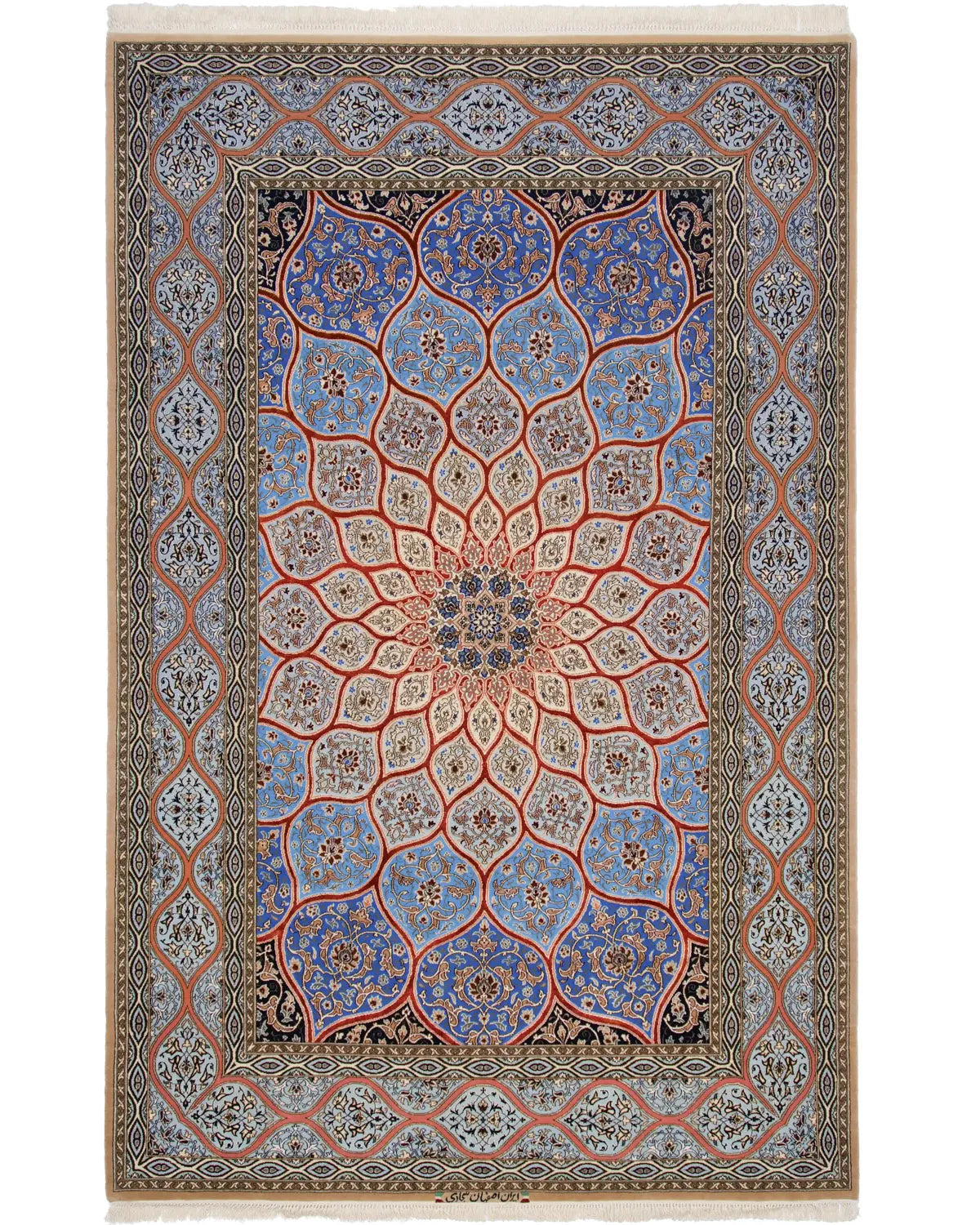
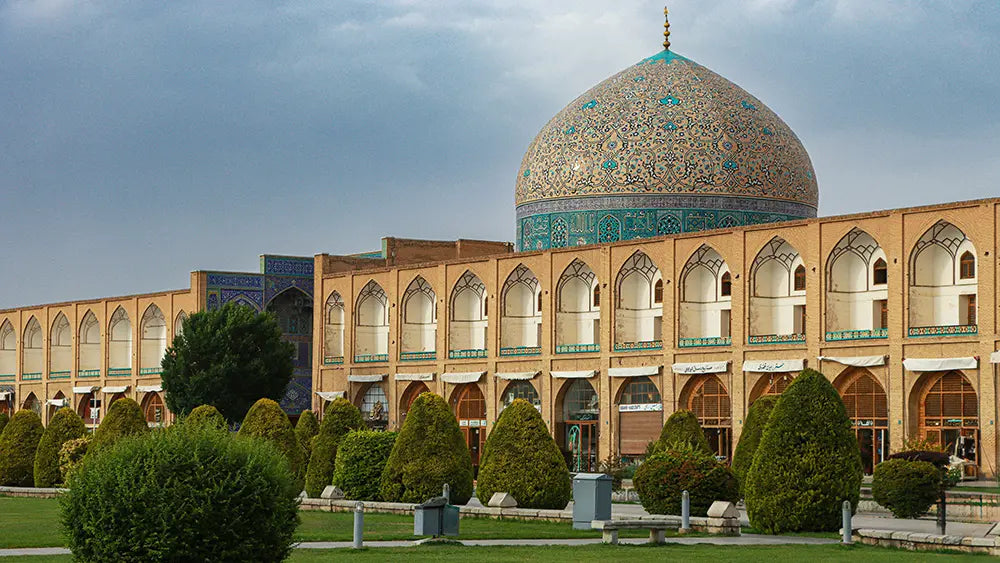
The Imam Square in the center of Isfahan is a vast square registered as a UNESCO World Heritage site, surrounded by mosques and palaces from the Safavid era. Isfahan is a cultural city rich in historical buildings, often referred to as a "treasure trove of Islamic architecture." Traditional crafts are also thriving in Isfahan, known as a city of arts. Hand-knotted Persian rugs from Isfahan are characterized by their delicate colors and intricate patterns, recognized for their world-class quality.