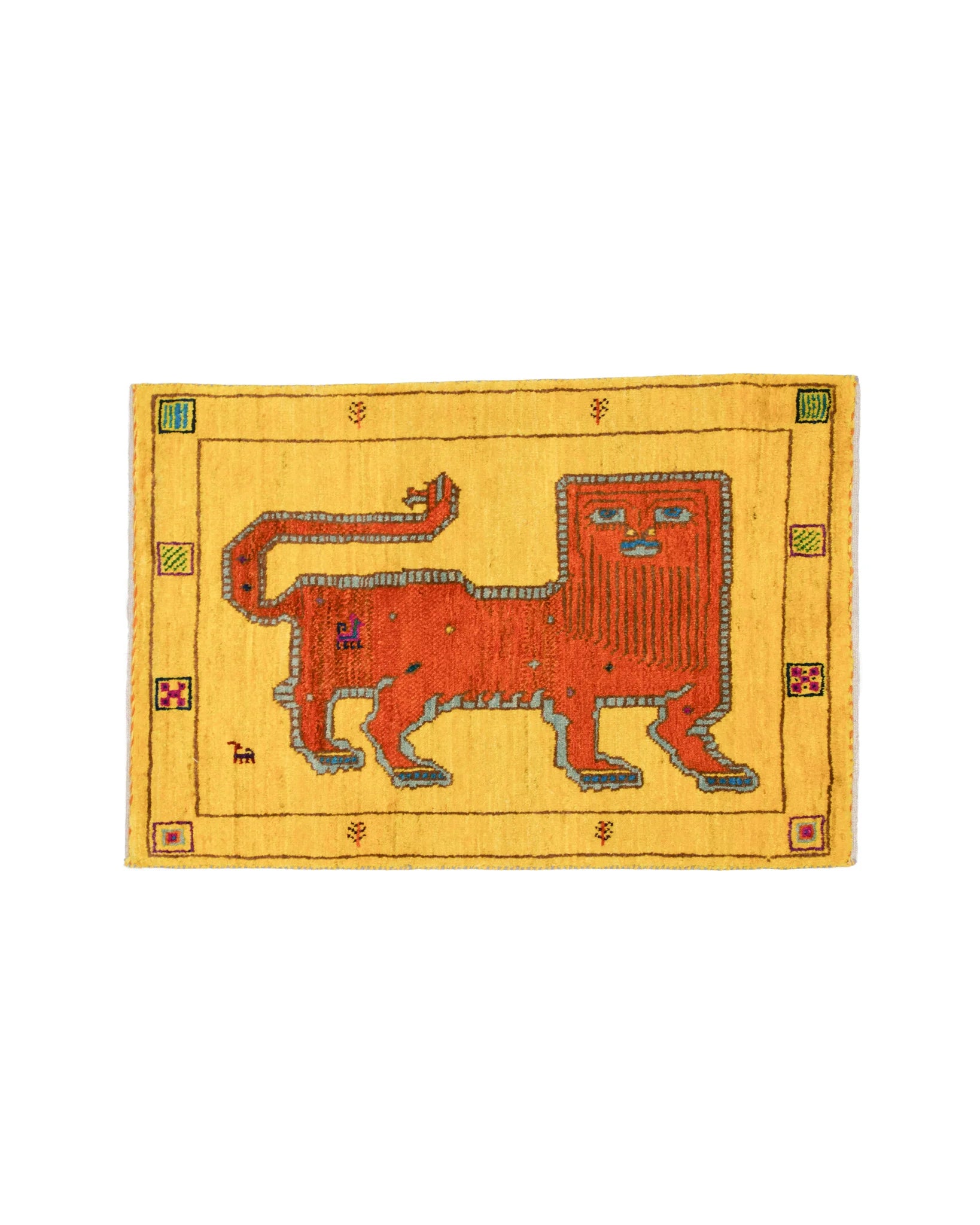


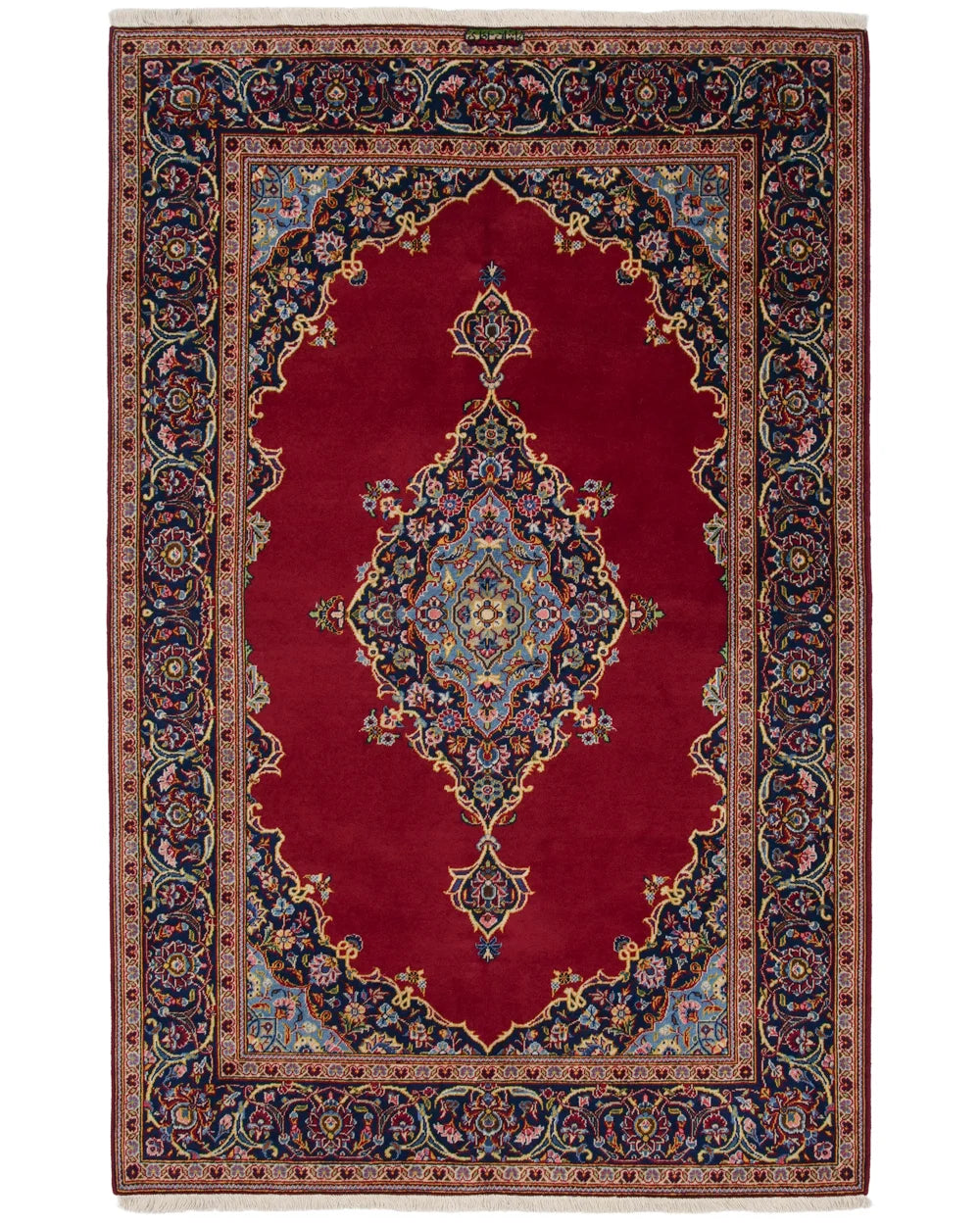



The history of tribal rugs originates from the traditional weaving techniques passed down by nomadic peoples in Central Asia and the Middle East for thousands of years.
"Tribal" refers to the concept of "tribe" in English.
Tribal rugs are a collective term for rugs hand-knotted by nomadic tribes living in Iran, Pakistan, Afghanistan, and Turkey.
Their origins date back to ancient times, with the "Pazyryk rug"—created around the 5th century BC and discovered in the tombs of the Scythians in Siberia—being known as the oldest existing rug in the world.
Tribal rugs have been used as essential practical items in the lives of nomads. For example, they were utilized as floor coverings for tents and as fabric for warmth.
Weavers from various tribes have continued to weave rugs for their livelihoods while preserving traditional patterns across generations.
The weaving patterns and color characteristics differ among tribes, and the names of the rugs are derived from the names of the tribes or their places of origin.
In particular, the rug weaving of the Turkmen people has a long history and is known for its red geometric patterns featuring an octagonal emblem called "Gül."
Such tribal rugs are highly valued for their cultural significance and exceptional craftsmanship.
The weaving traditions of each tribe continue to be passed down to modern times. In 2019, the rug-making techniques of the Turkmen were registered as a UNESCO Intangible Cultural Heritage, recognizing their value globally.
Even today, tribal rugs with an ethnic atmosphere remain popular as interior decor items.


