



The Qashqai is a type of Persian rug traditionally hand-knotted by the nomadic "Qashqai tribe" living in southwestern Iran.
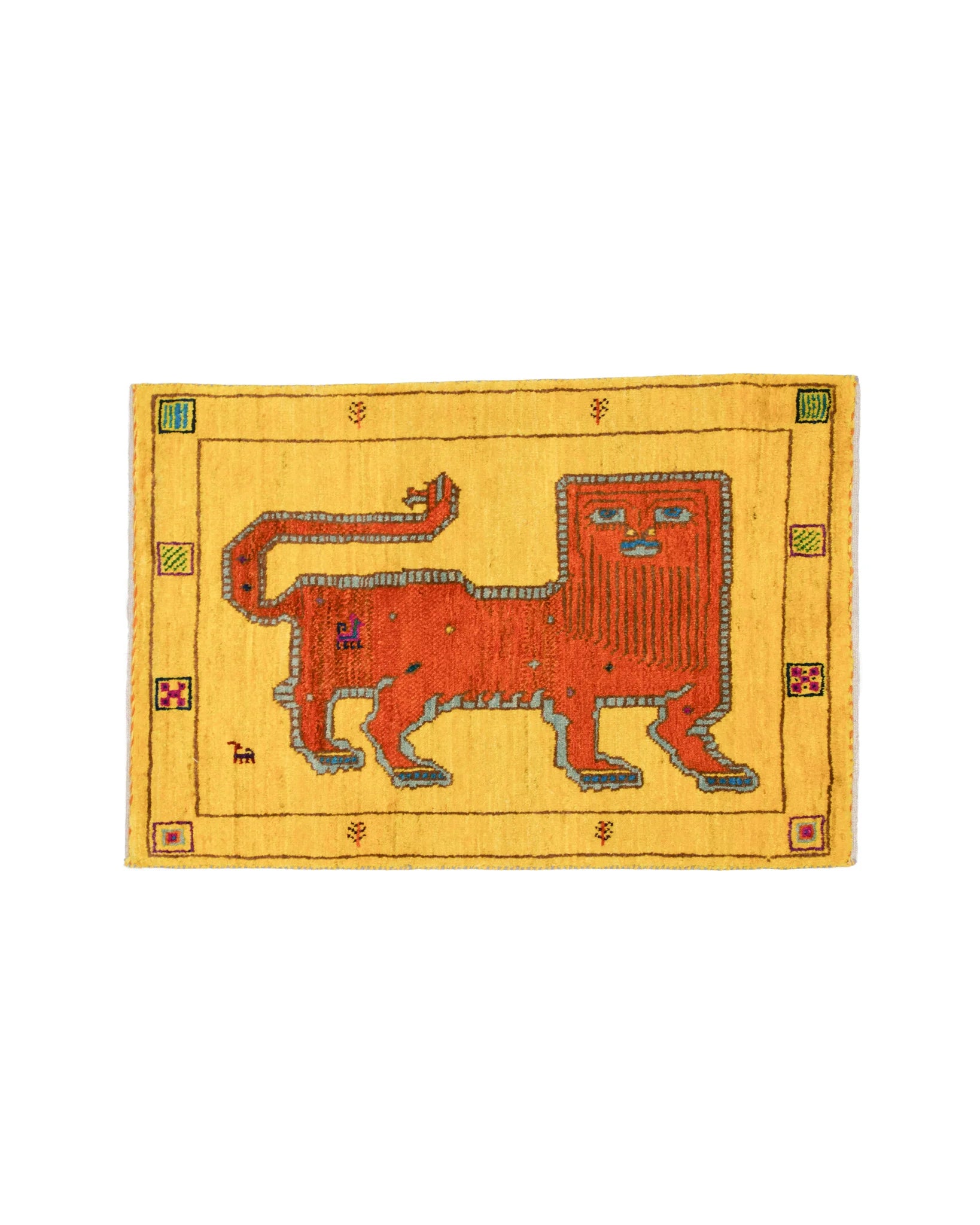
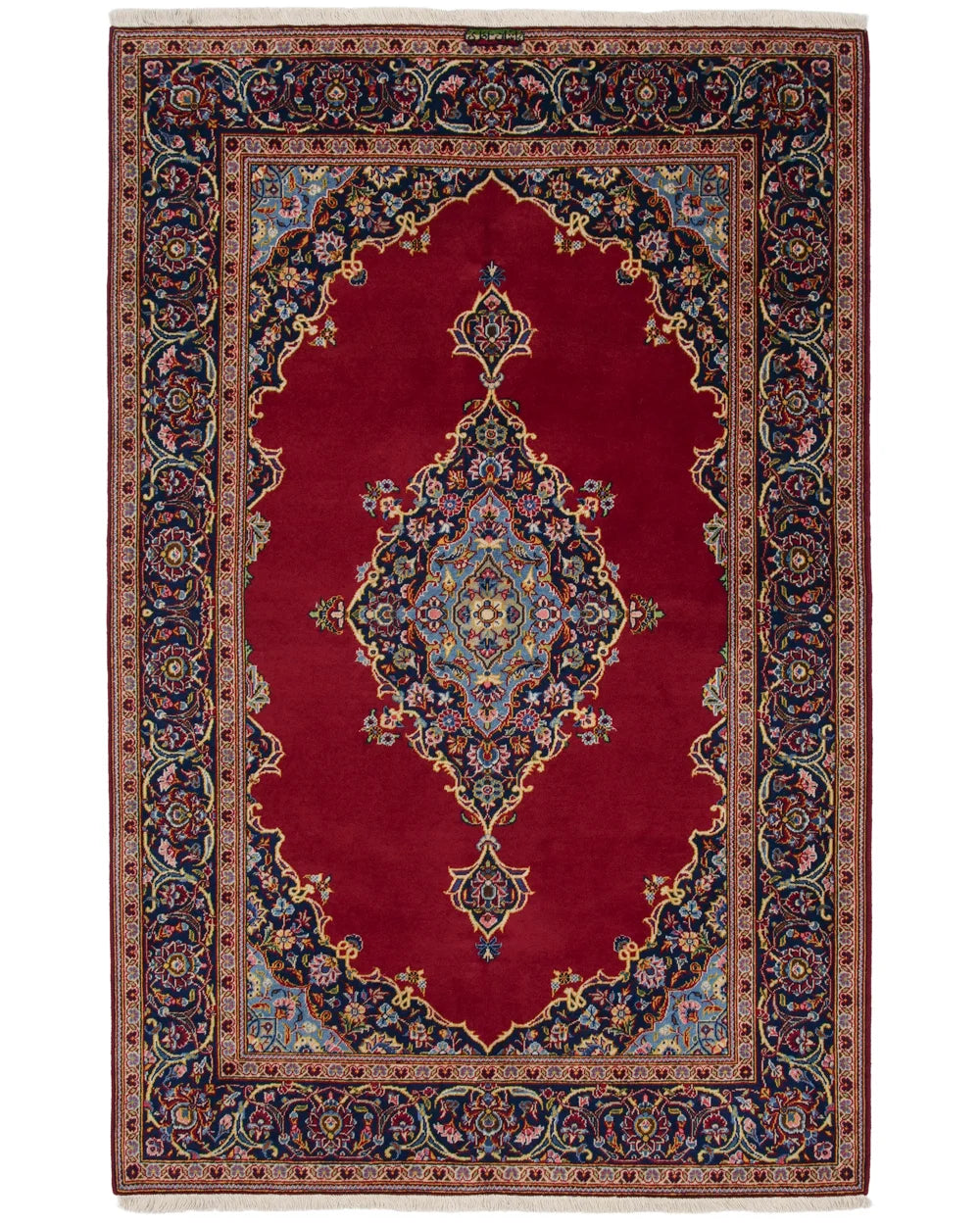
Qashqai rugs are characterized by bold geometric patterns, typically featuring designs with diamonds or medallions (i.e., circular or polygonal motifs at the center of the rug). Animal and plant motifs, such as sheep and birds, are woven in, reflecting the nomadic lifestyle.
The color palette is primarily based on deep reds, complemented by yellows, greens, navy, and ivory. Natural dyes made from local plants are used, and the number of colors in a single rug is usually limited to 6 to 7. Unlike the intricate symmetrical patterns woven in urban areas, the rustic and free designs are a unique charm of tribal rugs.
High-quality wool is used as the material. The yarn is hand-spun from the fleece of sheep and goats raised by the tribe, traditionally dyed with plant-based dyes to achieve warm hues. The knots created by hand weaving are relatively coarse, resulting in a thick and sturdy weave, making them highly durable and suitable for everyday use.
Among the Qashqai rugs, those with particularly long and thick pile are called "Gabbeh." Gabbeh means "coarse" or "rough" in Persian, and as the name suggests, they are characterized by their simple and rustic designs. Gabbeh rugs were originally used by nomads as floor coverings for tents or as bedding, and they have a plush and comfortable texture.


