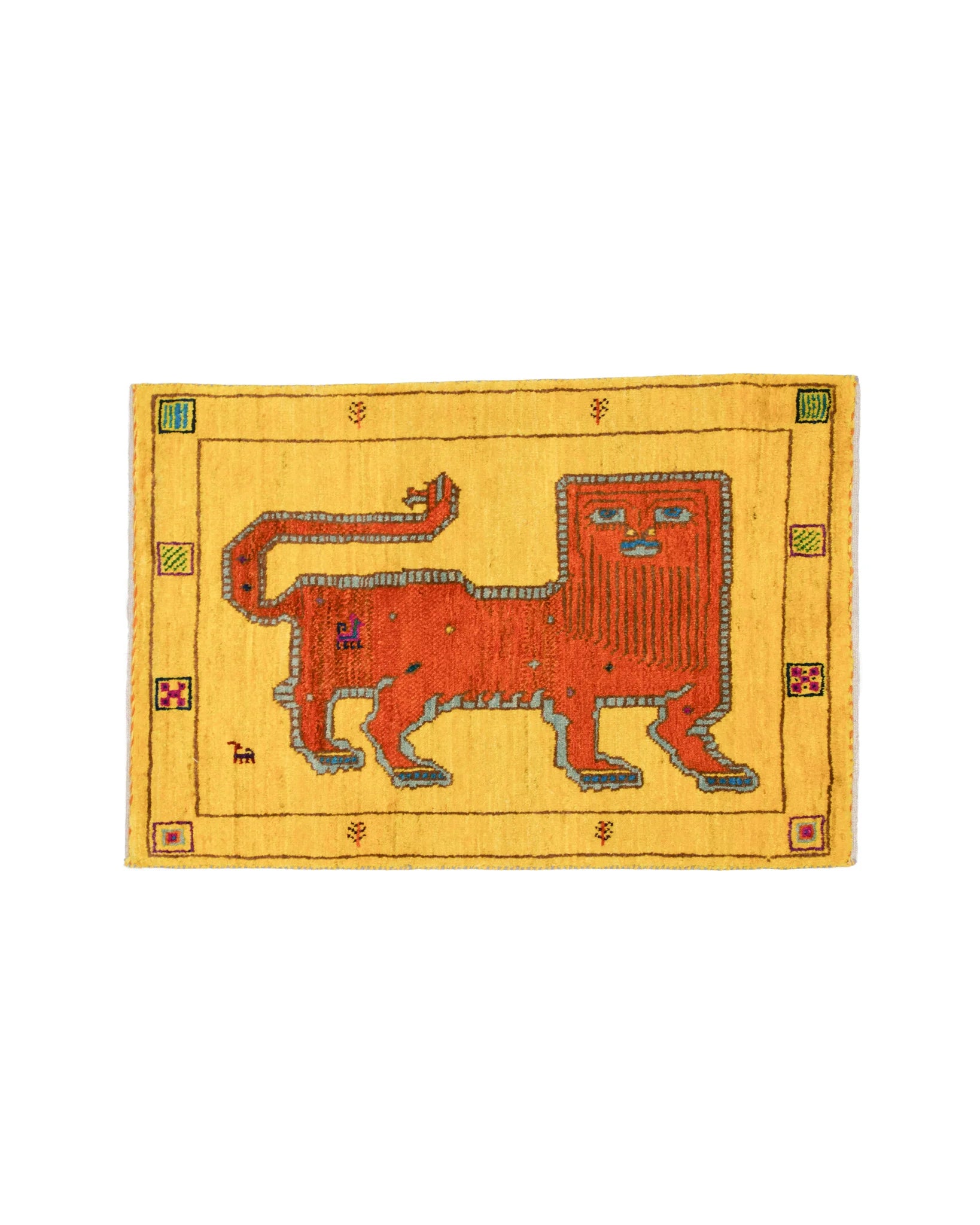


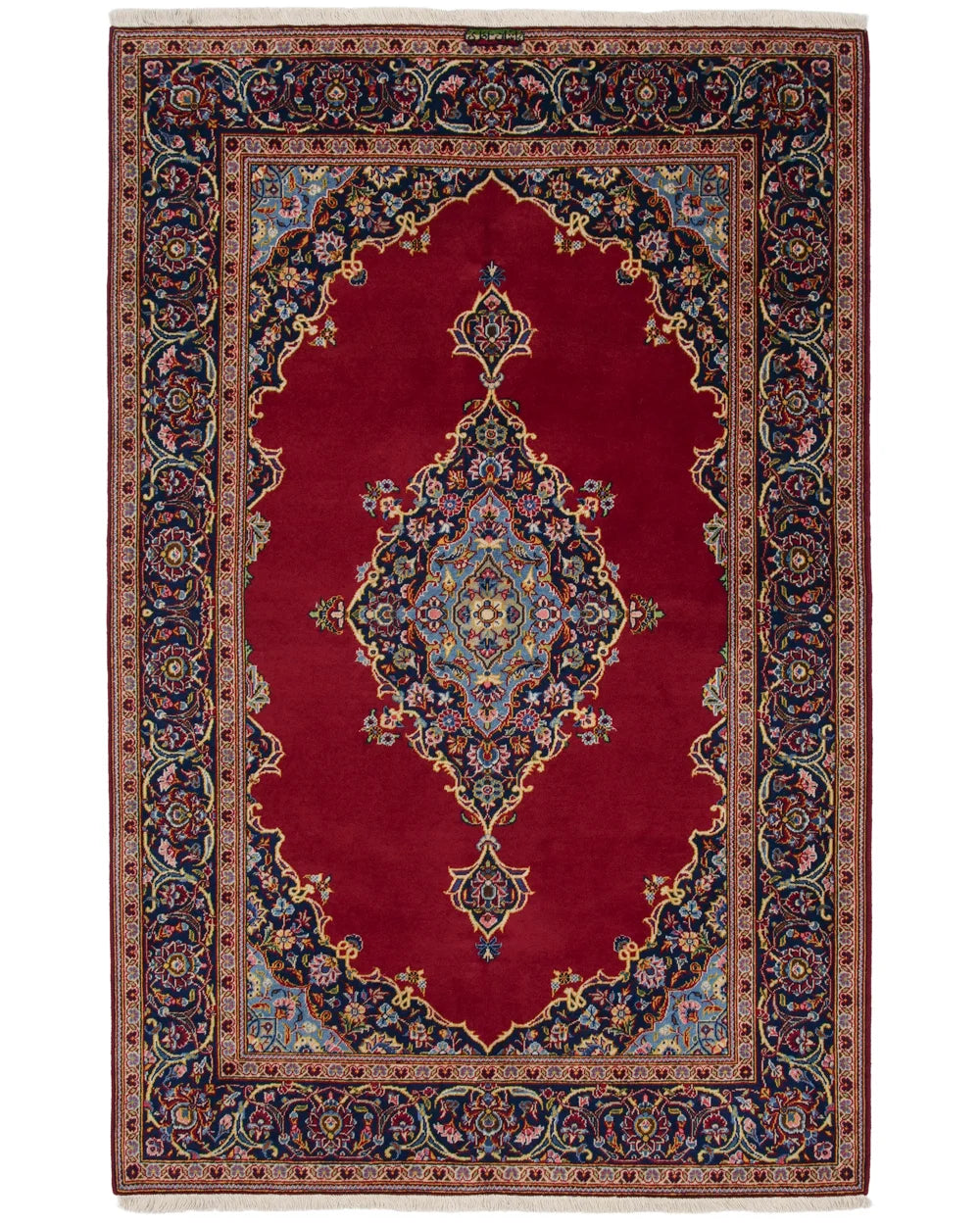


A Turkmen tribal rug is a hand-knotted rug traditionally made by the Turkmen people of Central Asia. The Turkmen are a nomadic ethnic group that has historically lived across present-day Turkmenistan and Afghanistan.
The weaving tradition of Turkmen rugs has been passed down for centuries. These rugs have been woven as practical items in the lives of nomads, serving various purposes such as tent flooring, wall hangings, and bags. In the past, they were woven using only local wool and natural dyes derived from plants.
In the 19th century, they became known in the West through the trading city of Bukhara (now in Uzbekistan). The traditional crafting techniques of Turkmen rugs were registered as a UNESCO Intangible Cultural Heritage in 2019.
Some Turkmen rugs feature geometric patterns such as the "Gül" woven into a deep red background. The colors and patterns have unique characteristics, often showcasing rich reds and browns. Additionally, geometric patterns centered around the octagonal tribal motif known as "Gül" are incorporated. The Gül serves as a motif representing the emblem of each tribe, with its colors and designs varying by weaver and tribe.
The rug weaving skills of the Turkmen people are of exceptionally high standards. Hand-knotted down to the finest details, they result in durable and beautiful finishes. Their quality and traditional beauty are highly regarded by rug enthusiasts worldwide. The national flag of Turkmenistan features patterns from five major Turkmen rugs, symbolizing the rugs as a national emblem.


