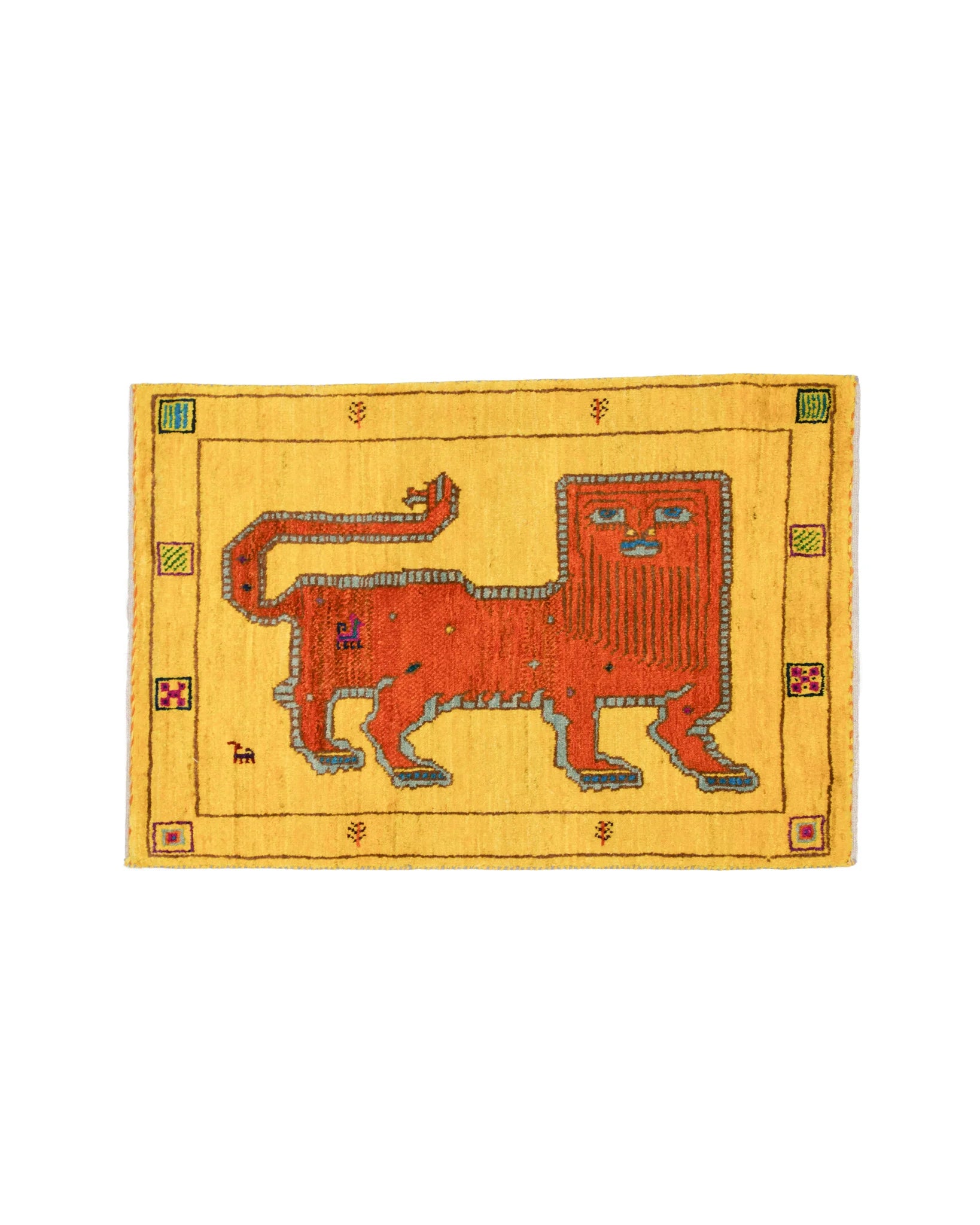


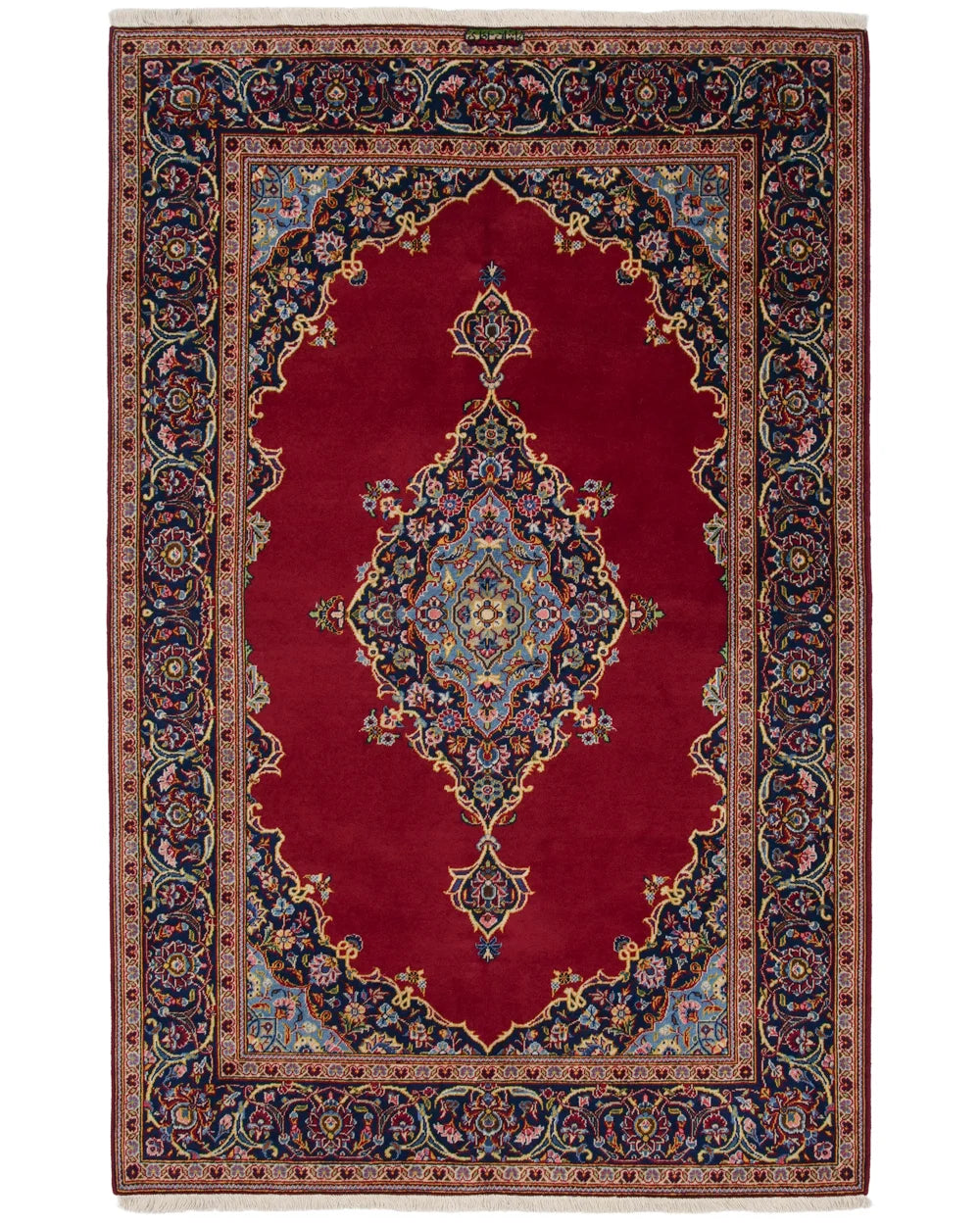



Afshar
- Type: Persian Rug (Tribal Rug)
- Location: Southeastern Iran, Kerman Province
(Main production areas: Sirjan, Dehaj, Shahr-e Babak)
- Knots per square meter: 150,000 - 250,000 knots
(Relatively high density for a tribal rug, tightly woven)
- Design: Primarily geometric patterns, featuring medallion compositions, flora and fauna, and paisley motifs
- Colors: Deep reds and blues, accented with browns, ivories, and saffron, dyed with natural dyes
- Material: High-quality wool
Afshar Persian rugs are tribal Persian rugs hand-knotted by Afshar weavers around Sirjan in Kerman Province, southeastern Iran.
Kerman lies about 800–900 km southeast of Tehran, in a region spread across a dry plateau.
The Afshar are a Turkic nomadic people with roots in Central Asia; they moved to northwestern Iran around the 11th century and settled in today's Kerman region in the 17th century. Since then, the rugs they make have also become widely known as "Sirjan rugs."
They are mainly tied with the Turkish (Ghiordes) knot, at a medium density of about 150,000–250,000 knots per square meter, and their strength stands out.
Afshar rug designs feature bold, rhythmic compositions built mainly on geometric patterns, a medallion in the center, and a wealth of motifs rooted in nomadic life, such as small birds and boteh (paisley).
The colors are based on deep reds and indigo, with many warm, earthy tones. Their texture grows more beautiful over time, showing a character all their own.
They are made of fine wool, soft to the touch and comfortable underfoot.
Unlike the intricate Persian rugs made in city workshops, Afshar rugs are loved for the strong, free expression and simple beauty unique to tribal rugs.