



Gabbeh
Type: Persian Rug
Location: Southwestern Iran (formerly Persia)
Knot density: 70,000 - 150,000 knots per square meter
Features: Thick, with animal and plant motifs
Pile: Long
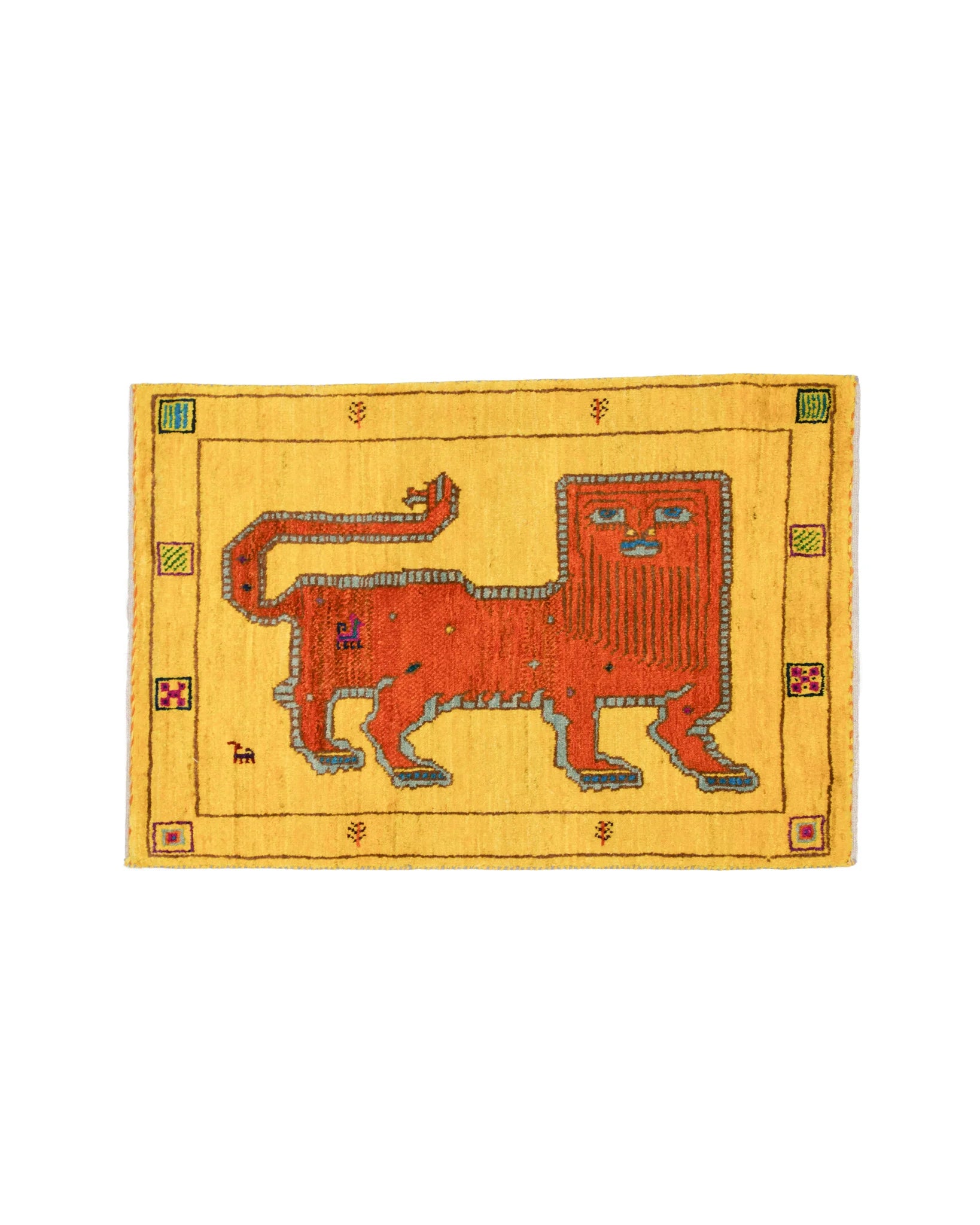
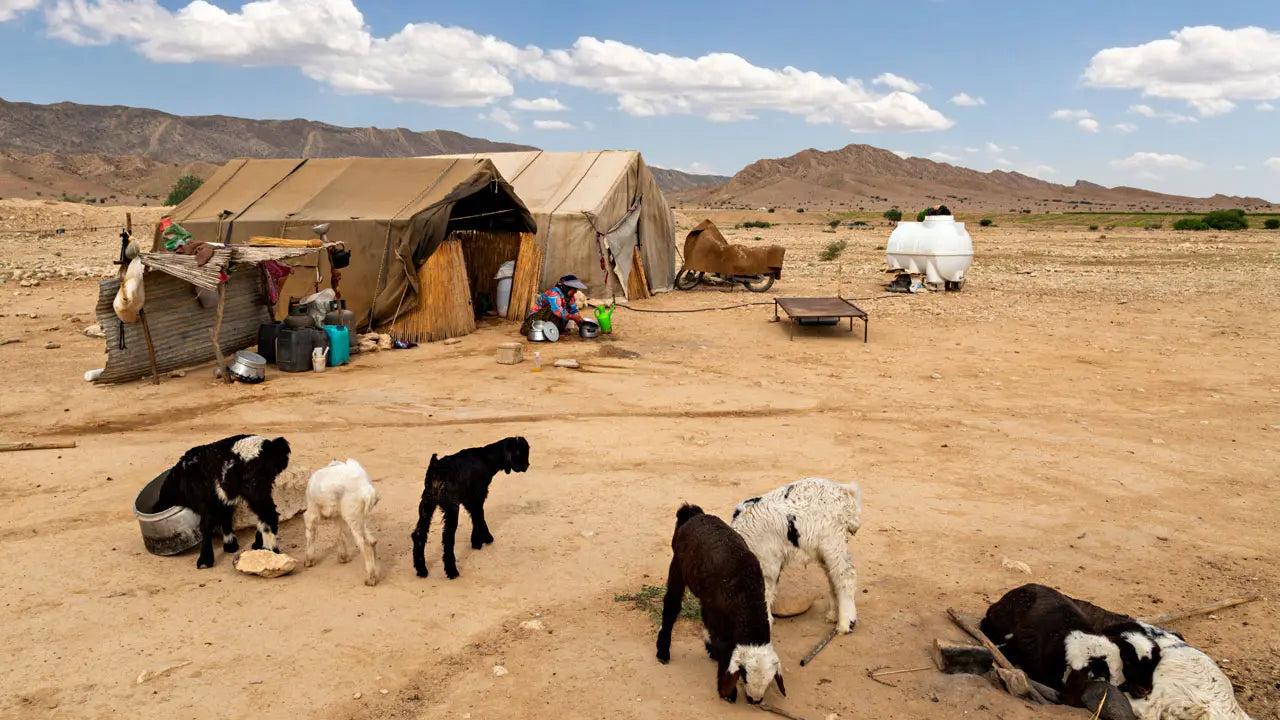
Gabbeh rugs are hand-knotted rugs loved for their plump, thick wool and the animal and plant motifs woven freely across them. Born from the nomadic traditions of the Zagros Mountains in southwestern Iran, they have been woven by people of several tribes and regions, including the Qashqai and the Luri. Today they are also made in settled villages and workshops.
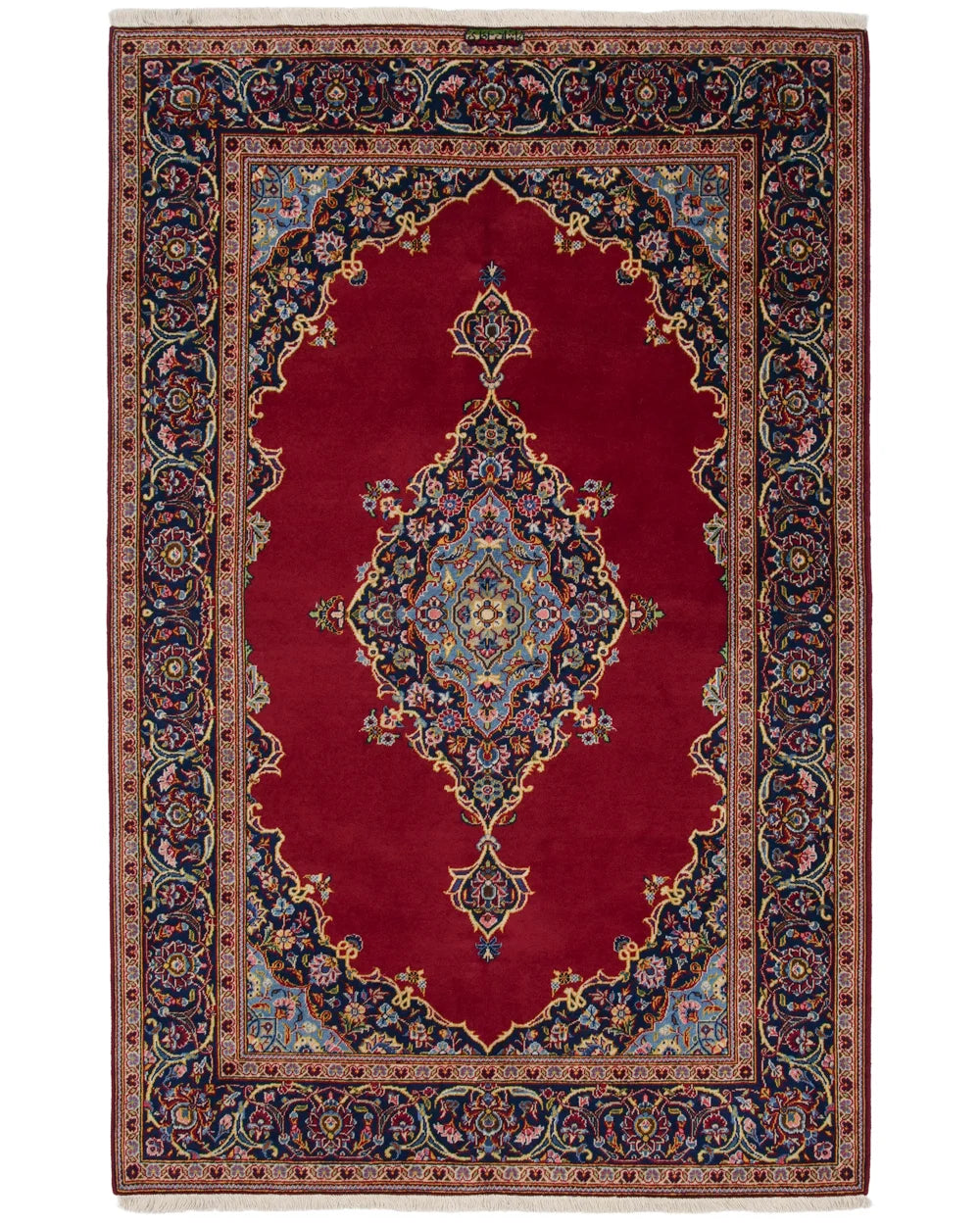
Traditional Gabbeh used hand-spun wool and natural dyes obtained from plants and other sources. Materials and dyeing methods of current pieces may vary by workshop and period, so please see each product page for details. Gabbeh rugs are thicker than other Persian rugs, with thick ones reaching about 2.5 cm. In recent years, more Gabbeh rugs with colorful, delicate patterns have appeared.
The name Gabbeh means "natural" or "in its natural state" in Persian. Gabbeh rugs go by various names depending on pile height and knot density, including Basic, Amaleh Baft, Kashkuli and Luri Baft. Kashkuli in particular is characterized by high knot density and a short pile.


