



Qum
Type: Persian Rug
Location: Central Iran (formerly Persia)
Knots per square meter: 240,000 - 1,600,000 knots (very high density)
Features: Varied colors, delicate patterns, unique silk luster, high artistry
Material: Very high-quality natural silk
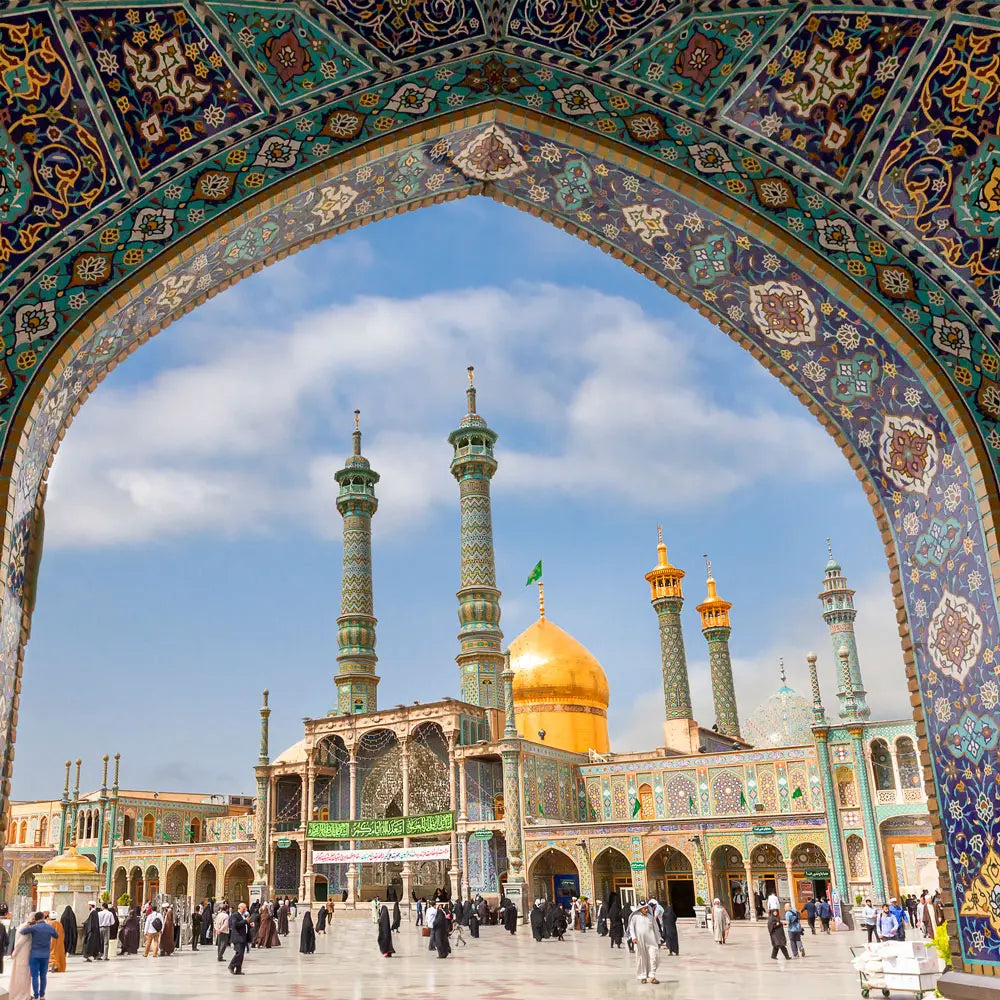
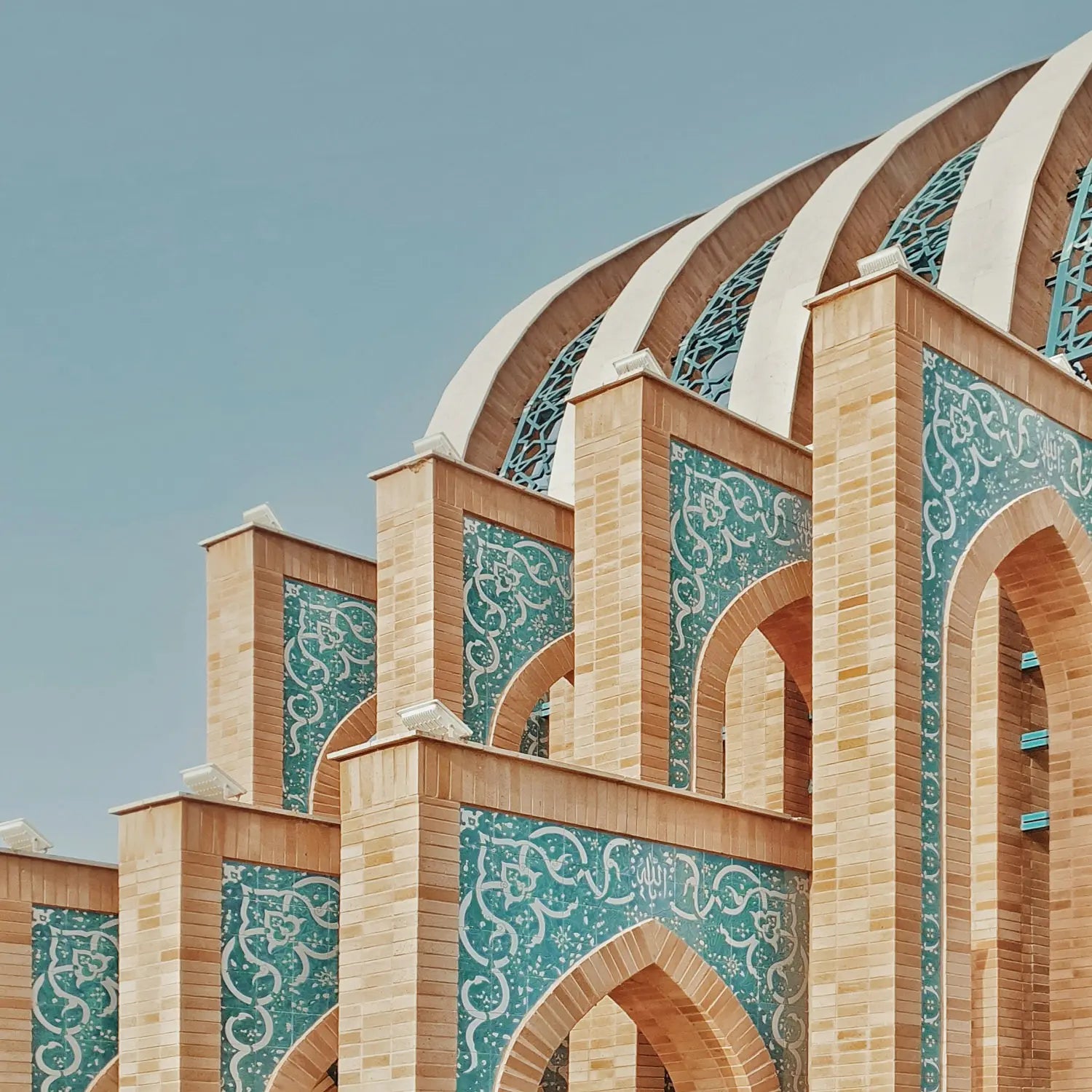
Qum is located in the north-central part of Iran, approximately 120km to 140km south of Tehran, and is renowned as one of the five major Persian rug production areas. It has a strong religious atmosphere and attracts many pilgrims each year.
Also transliterated as "Qom" or "Ghom".
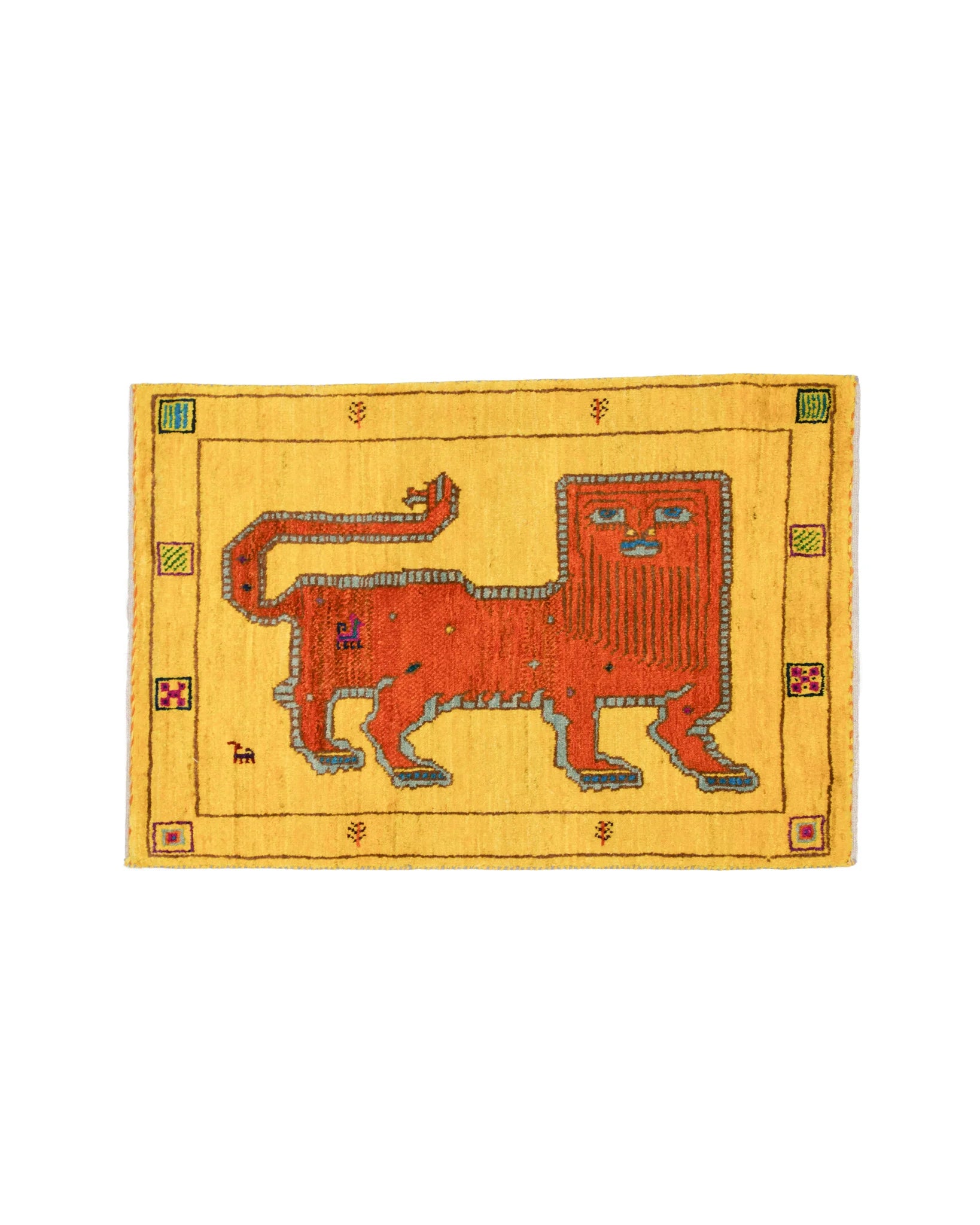
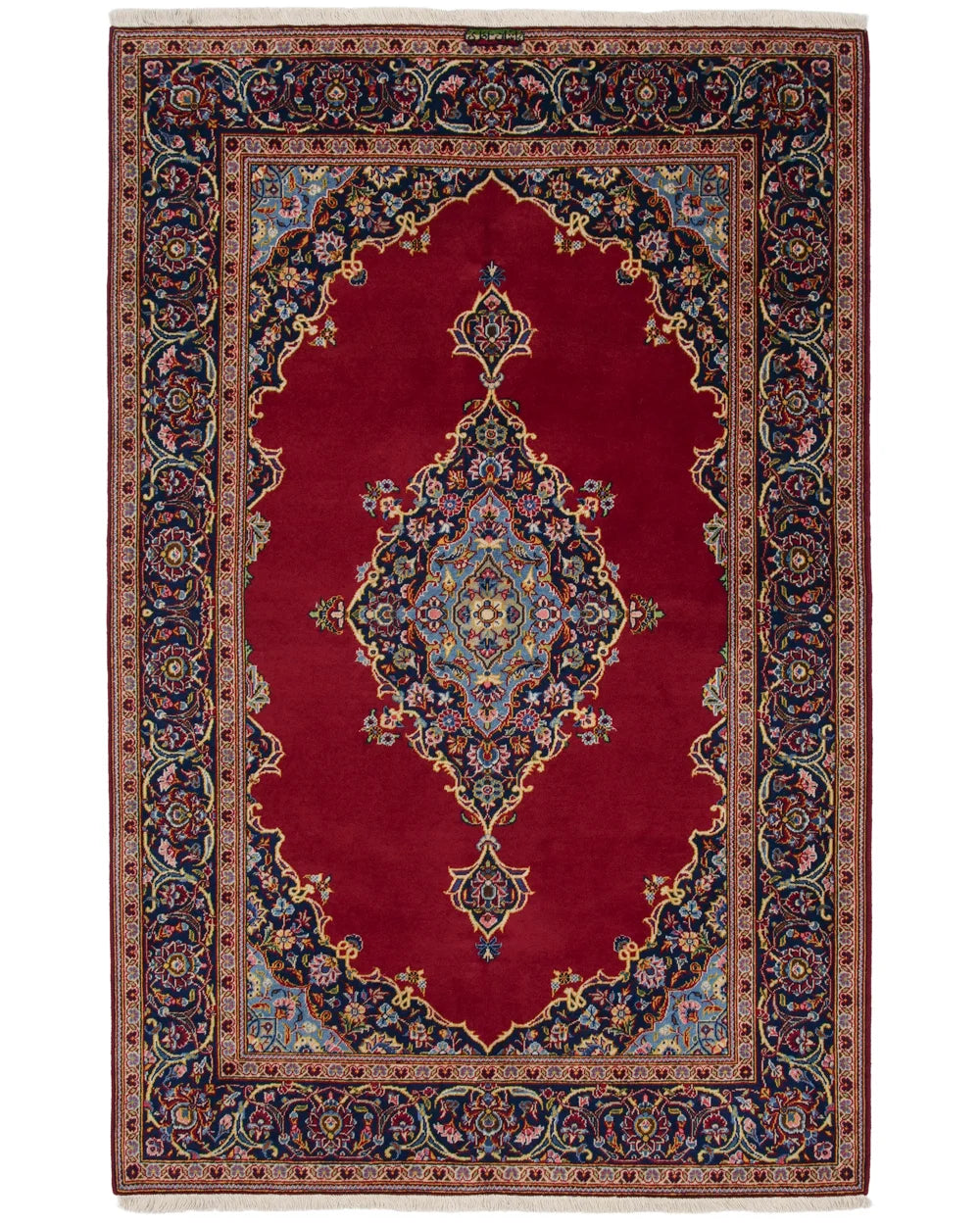
Persian rugs produced in Qum can be broadly categorized into two types: silk and wool. Among these, the overwhelming majority are hand-knotted silk rugs. Qum is known as one of the world's leading silk rug production areas.
The charm of silk rugs lies in their soft, smooth texture and the beautiful luster that changes depending on the angle of view. Due to their intricate weaving and elegant beauty, Qum silk rugs are considered top-quality items, often referred to as "the jewels of thread."
Before the 20th century, Qum did not have a history of large-scale rug production and was a newly emerging textile area. The traditional craft was ignited in Qum by skilled weavers who moved from the then-renowned rug-producing area of Kashan during the 1920s and 30s. Under their guidance, rug-making in Qum began in earnest in the mid-1930s.
Thus, the rug-making tradition in Qum established a solid position in the global luxury rug market in just under a century.
Today, Qum is home to many famous workshops, each with its own unique designs and color palettes. Their individuality is striking, and it is often possible to identify the workshop's work at a glance.