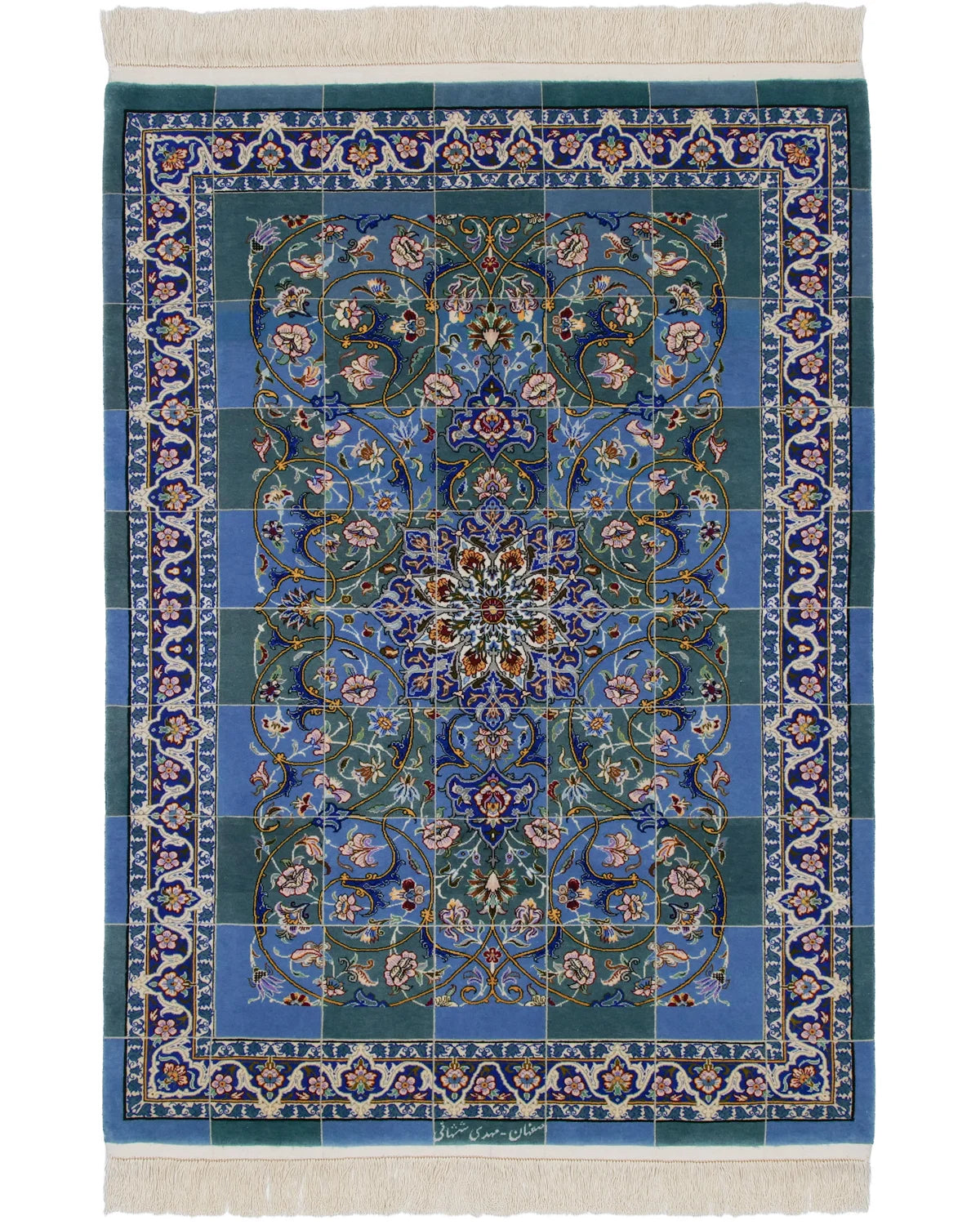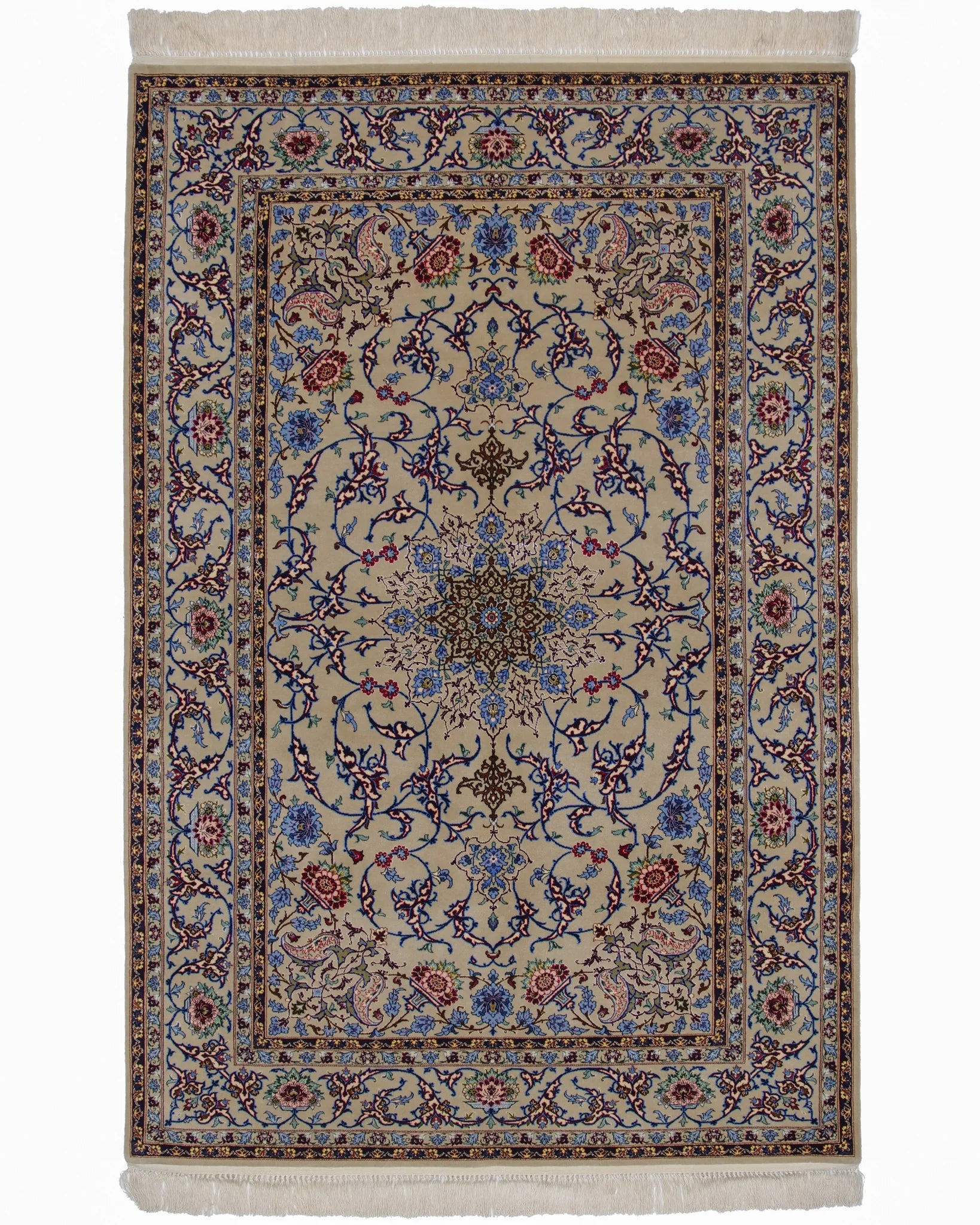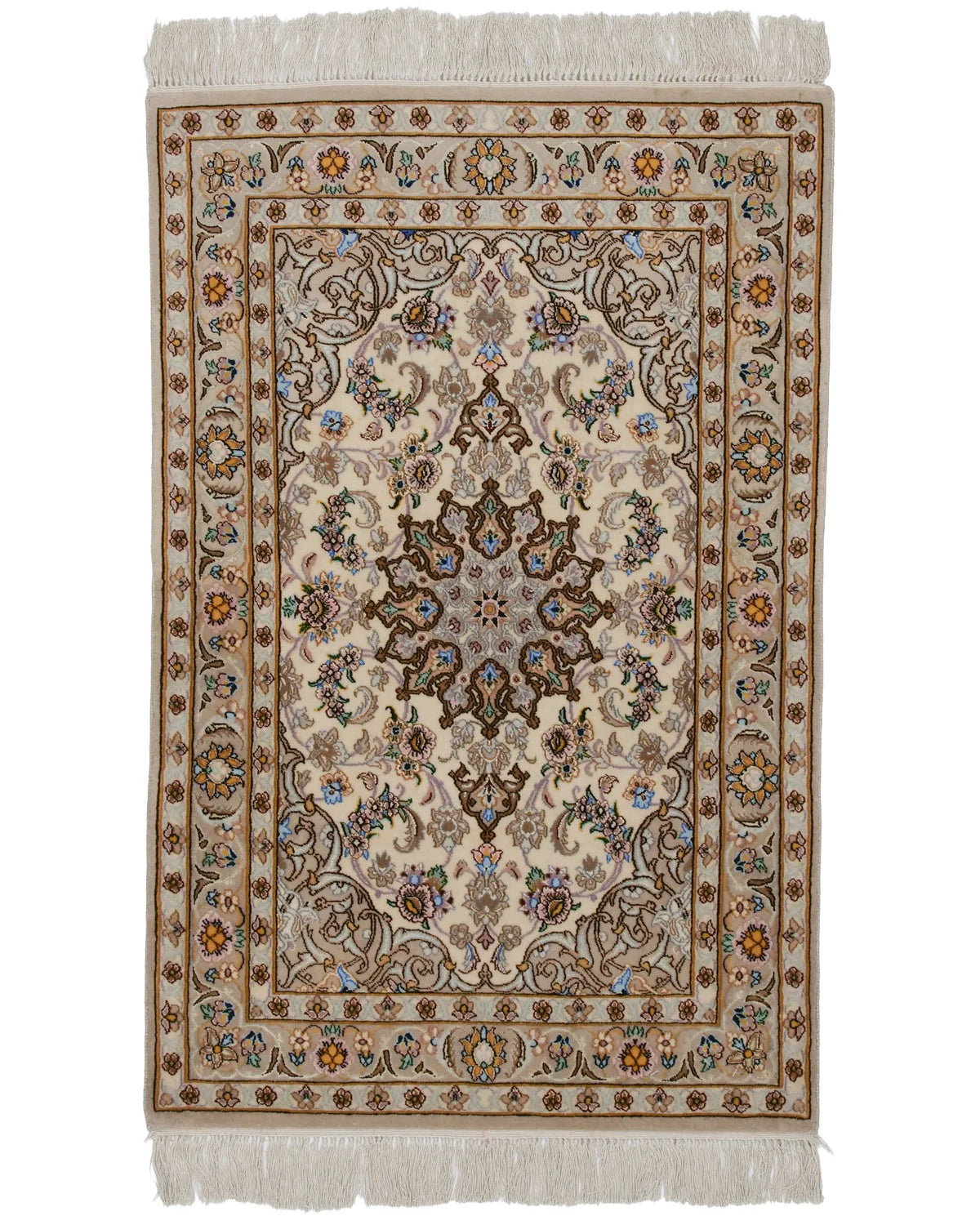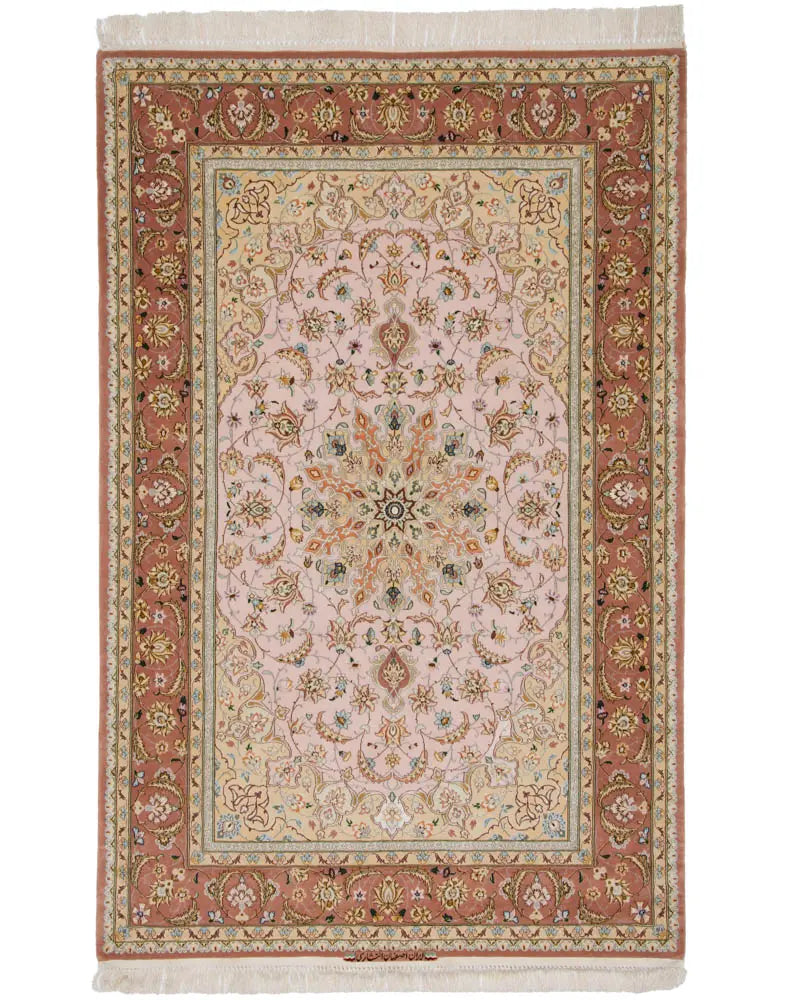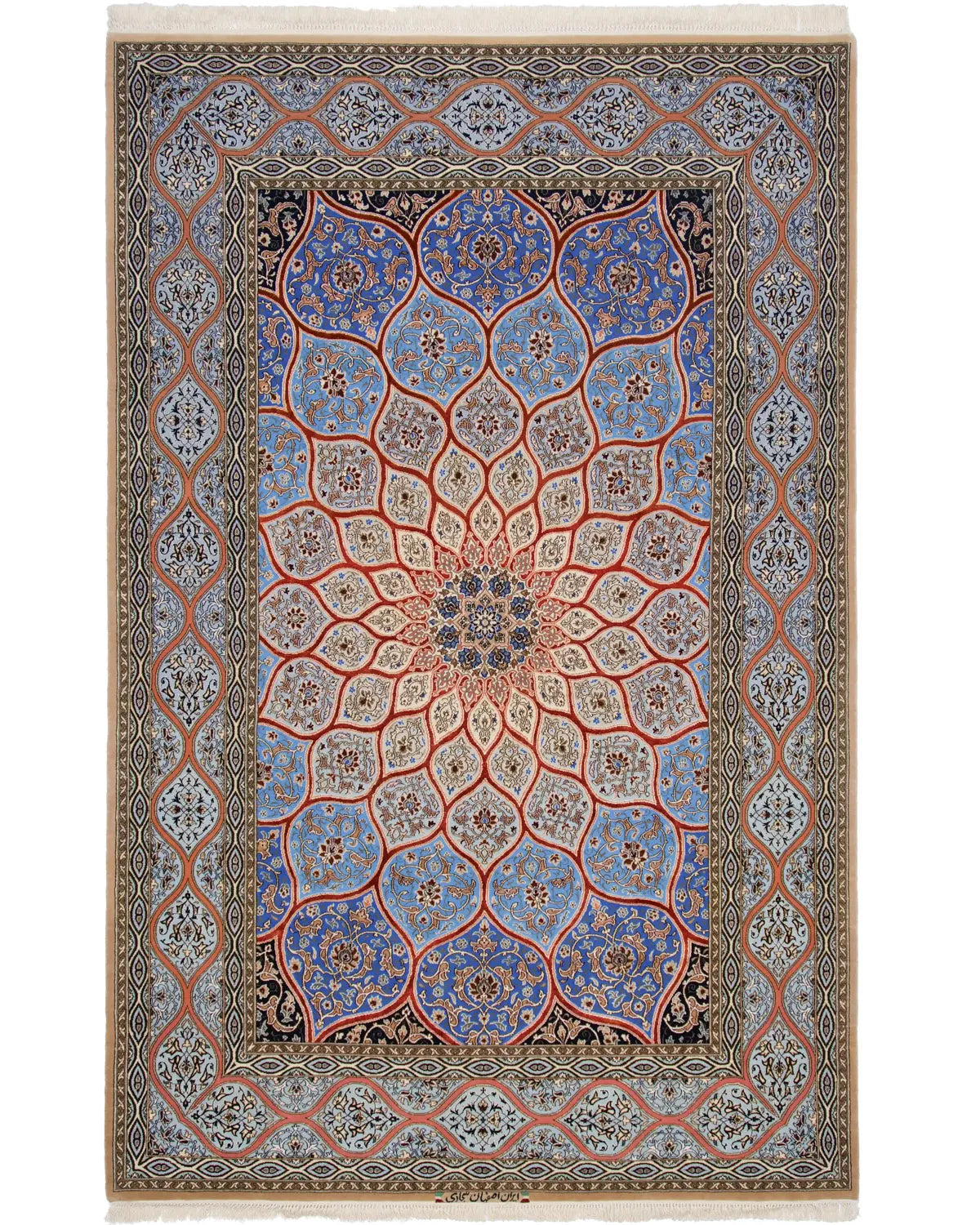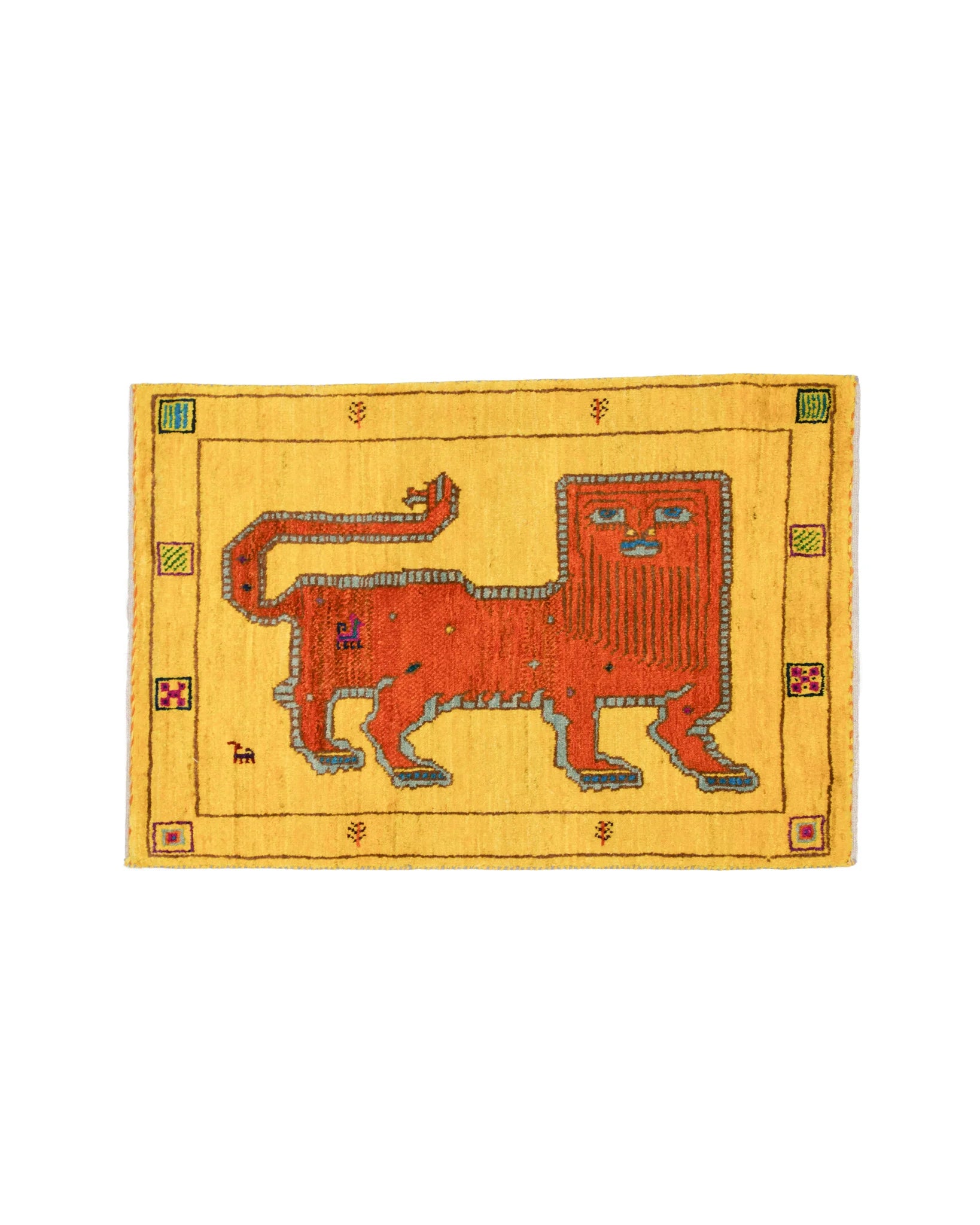


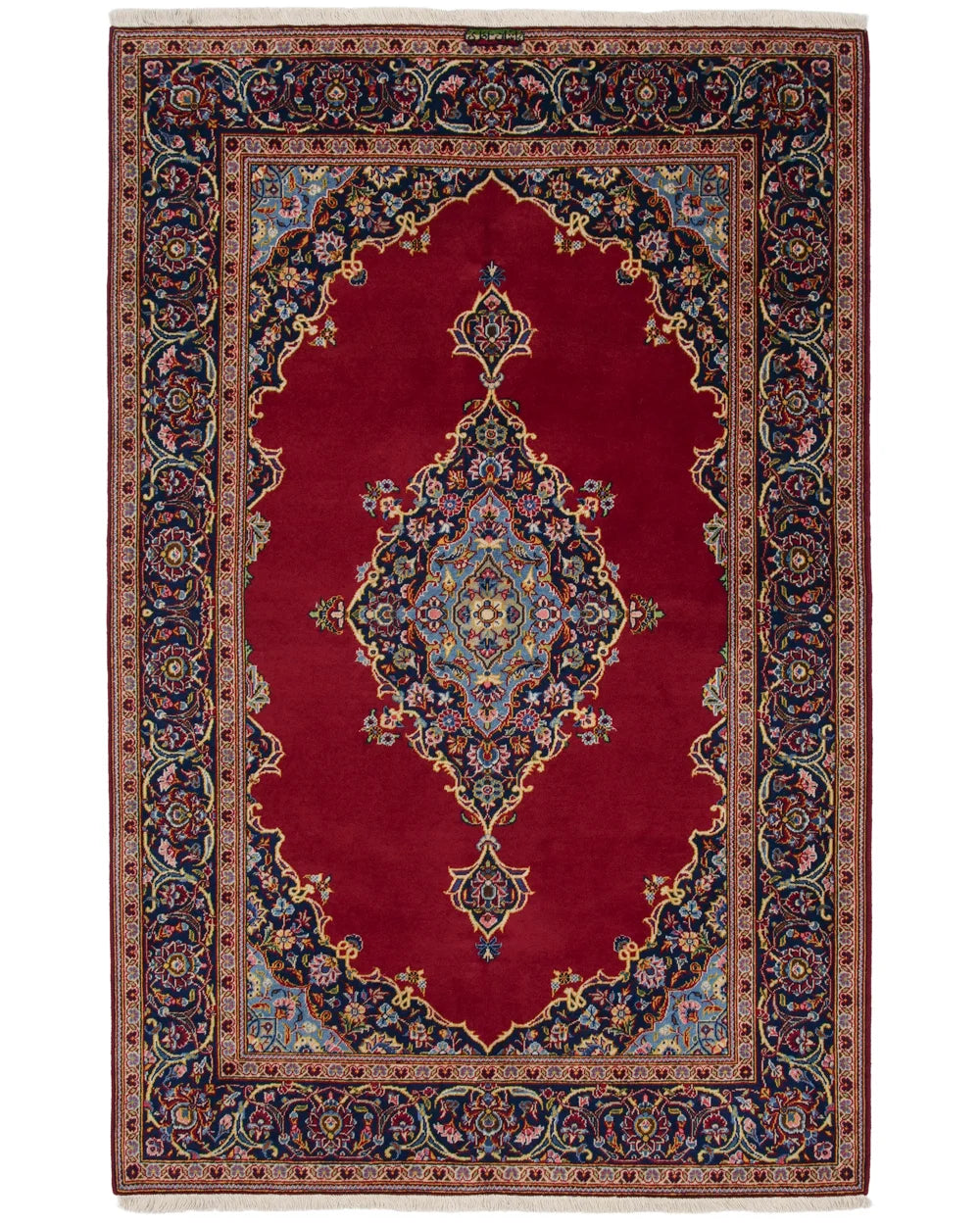



Isfahan
Type: Persian Rug
Location: A city located in the central part of Iran, on the eastern side of the Zagros Mountains (formerly Persia)
Knots per square meter: 400,000 - 1,500,000 knots
Features: Central medallion, floral patterns, designs inspired by mosque architecture
Materials: High-quality kork wool, silk
Isfahan (Esfahan) is a UNESCO World Heritage city located in central Iran, which has long thrived as a center of culture and art. At the end of the 16th century, it became the capital of the Safavid dynasty under Shah Abbas I, leading to the construction of magnificent mosques and squares, and it developed into a city praised as "Isfahan is half the world."
The splendid architectural works built during that time, such as Imam Square (formerly known as King's Square), Imam Mosque, and Ali Qapu Palace, are now registered as UNESCO World Heritage sites.
One part of the rich artistic culture of this area is the world-famous Isfahan rugs.
Persian Rugs and Isfahan
Persian rugs refer to high-quality rugs traditionally hand-knotted throughout Iran, with Tabriz, Nain, Qum, Kashan, and Isfahan being widely recognized as the "five major production areas."
Isfahan rugs are characterized by their urban and sophisticated designs, as well as their extremely intricate weaving. Unlike the nomadic "tribal rugs" that often use motifs from daily life and nature, Isfahan rugs, which developed within urban culture, belong to a particularly high-quality category of Persian rugs.
History
During the Safavid era from the 16th to the 17th centuries, Isfahan reached its golden age as a center of Persian art. Particularly, Shah Abbas I had a deep understanding of art and architecture, and under the protection of the court, royal workshops were established, gathering many rug artisans from surrounding towns and villages. As a result, many luxurious rugs were produced in Isfahan's workshops for the nobility, leading to the creation of numerous masterpieces.
However, this splendor did not last long, as the city of Isfahan suffered devastating blows from the Afghan invasion in 1722. With the loss of court support, all rug workshops were closed, and the rug industry in Isfahan temporarily ceased with the fall of the Safavid dynasty.
Afterward, from the late 19th century to the early 20th century, as the Persian rug industry entered a period of revival, rug production in Isfahan became active once again. Especially in the 20th century, the highest quality rugs were revived by artisans who moved from Kashan and local masters.
Among the weavers active during this revival period were renowned artists such as Seirafian, whose efforts brought Isfahan rugs back into the global spotlight.
Knot Density (Weaving Fineness)
One of the characteristics of Isfahan rugs is their astonishing knot density. They can be woven with a density of over 500,000 to 1,000,000 knots per square meter, and their delicacy is often described as "like a painting." With several dozen knots woven into each square centimeter, the expressive power of the patterns is significantly enhanced, along with durability and suppleness.
The task of tying each knot by hand requires immense patience. For example, if a rug with a density of 500,000 knots per square meter is woven at a pace of 1,000 knots per day, it would take approximately 500 days (about a year and a half) to complete. This is just a simple calculation example, and the actual production period varies greatly depending on the number of weavers, designs, and processes.

Imam Square