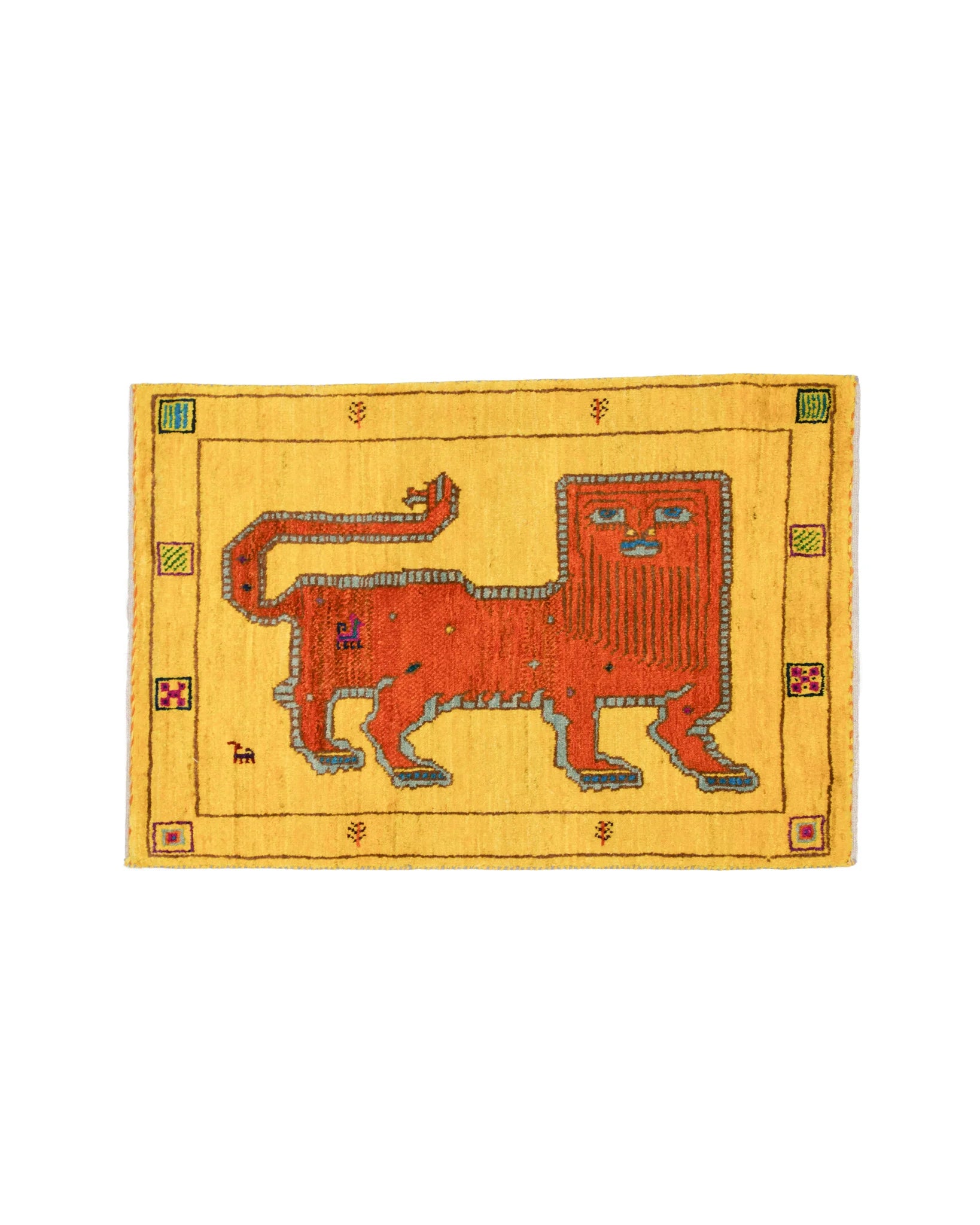


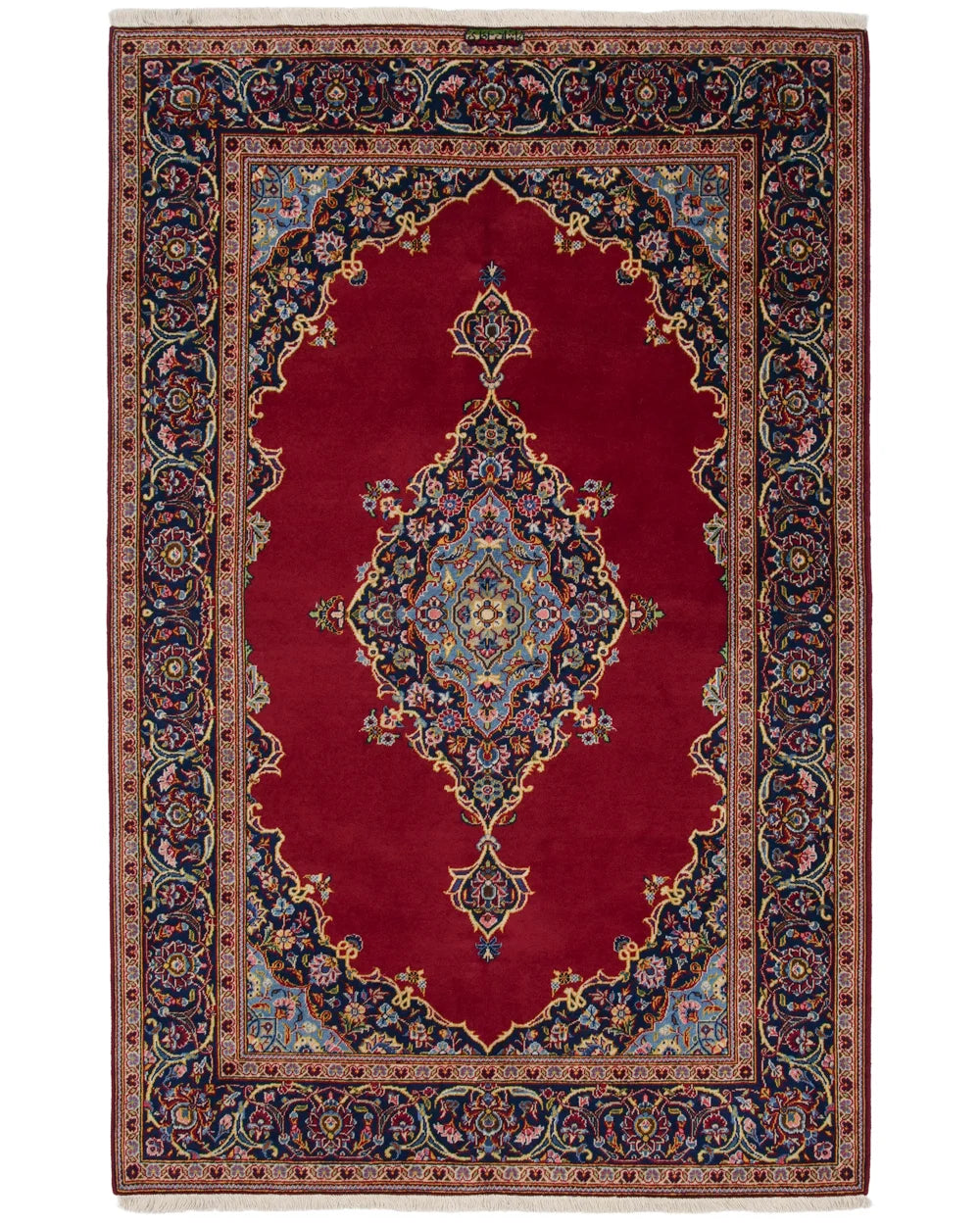



Koliai
Type: Persian Rug
Location: Western Iran (mainly around Kermanshah Province)
Knot density: 80,000 - 240,000 knots per square meter
Features: Sturdy weave and longer pile, sharply outlined geometric patterns, deep tones and vivid contrast
Pile: Firm-textured wool
Koliai rugs are tribal Persian rugs made by Kurdish weavers in Kermanshah Province in western Iran and the surrounding area. They often feature a large central medallion, sharply outlined geometric diamond patterns, and angled corner motifs inside the main border. Originally they were not made for sale: following tribal custom, the women weavers made rugs, blankets, storage bags, saddle covers and other practical items for their families, and in hard times these also became valued household assets.
Iran's Kurds live mainly in the west of the country, and their rug-weaving skill has long been highly regarded. Koliai rugs, too, are known for being sturdy and long-lasting; they generally have a tightly packed weave and thick pile, well suited to everyday use. Many older pieces are made entirely of wool, while cotton warps are common in pieces made today.
Koliai and other Kurdish rugs are decorated with geometric patterns and combine deep tones such as dark red, navy and brown in vivid contrast, so they harmonize with all kinds of interiors. Their high durability makes them especially suited to high-traffic areas. Many are long and narrow, and quite a few exceed 3 meters in length, so they also suit long hallways and large rooms.
Iran's Kurds live mainly in the west of the country, and their rug-weaving skill has long been highly regarded. Koliai rugs, too, are known for being sturdy and long-lasting; they generally have a tightly packed weave and thick pile, well suited to everyday use. Many older pieces are made entirely of wool, while cotton warps are common in pieces made today.
Koliai and other Kurdish rugs are decorated with geometric patterns and combine deep tones such as dark red, navy and brown in vivid contrast, so they harmonize with all kinds of interiors. Their high durability makes them especially suited to high-traffic areas. Many are long and narrow, and quite a few exceed 3 meters in length, so they also suit long hallways and large rooms.
画像:ウラマーンの村(クルド地方) © Javad Yousefi / CC BY-SA 4.0 / Wikimedia Commons