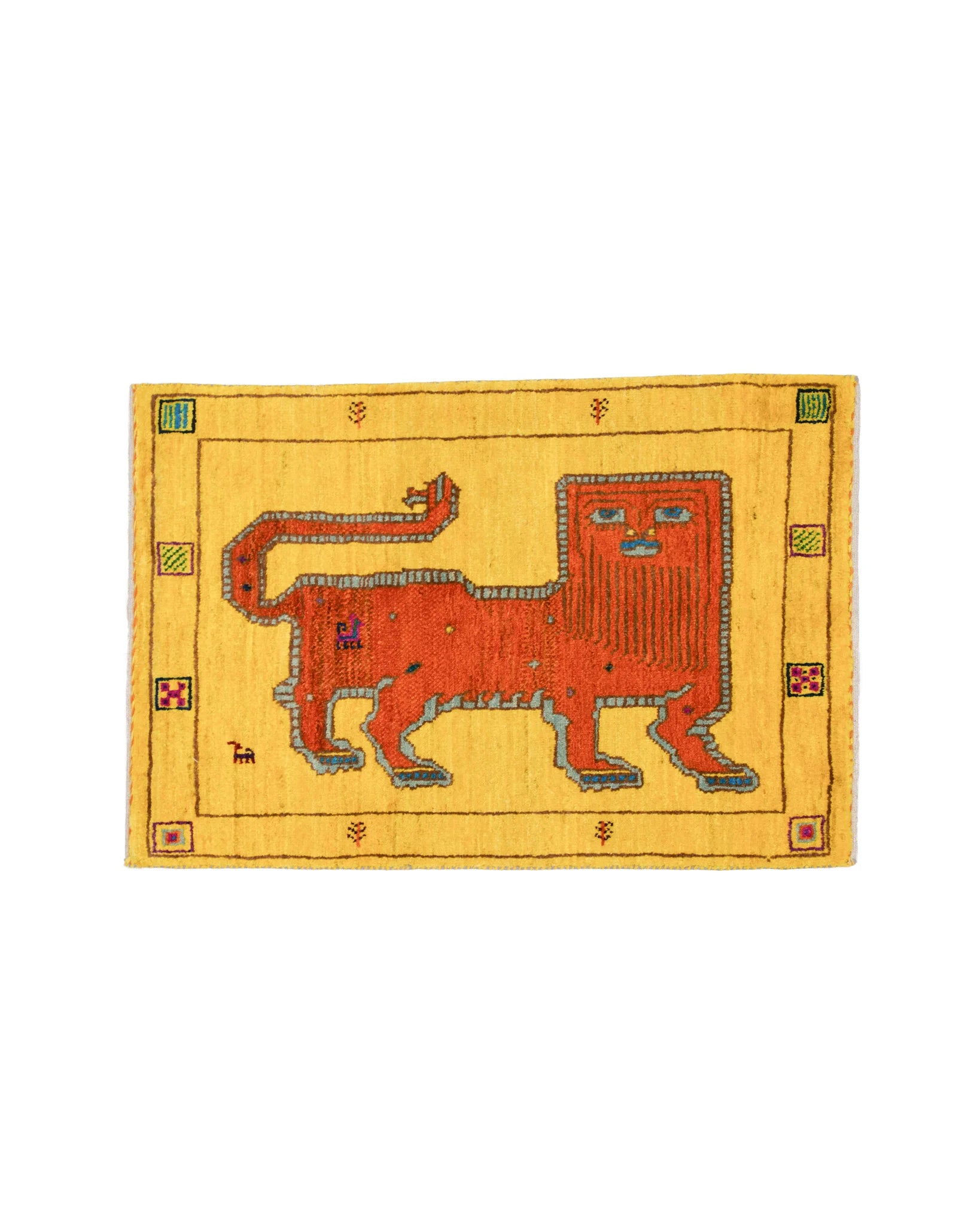


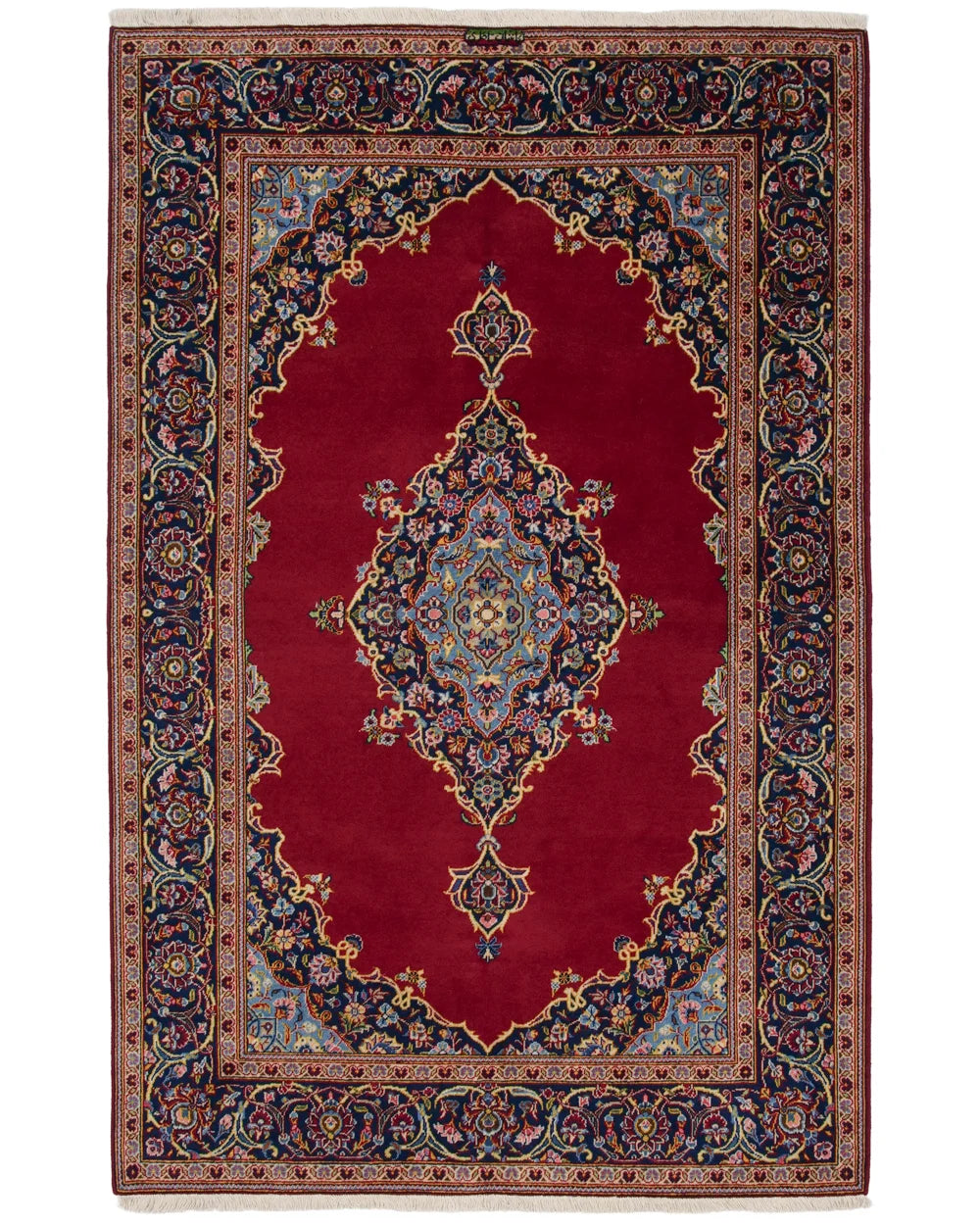



Moud
Type: Persian Rug
Location: Moud, South Khorasan Province, Eastern Iran (formerly Persia)
Knots per square meter: 200,000 - 450,000 knots (fine weaving category)
Features: Herati pattern (fish-like continuous design) or panel pattern inspired by Persian gardens
Pile: Wool (some pieces may use silk)
Moud Persian rugs are woven in Moud, a small town in South Khorasan Province in eastern Iran.
Moud rugs are best known for the "Herati pattern," a fine pattern of small flowers and leaves repeated geometrically and spread in good balance across the whole rug. You will also find ornate, poetic designs, such as a central medallion suggesting a star or sun, or "garden patterns" with flowers and trees drawn in finely divided compartments.
Soft ivory or beige grounds are combined with deep reds, blues, browns and other colors in exquisite balance. The gentle color harmony is beautiful, and even within its calm you can feel the elegance of a true Persian rug.
They are made of wool, combining a smooth feel with durability. The pile is densely packed, with a knot density of about 200,000–450,000 knots per square meter, placing them among the finer rugs. This gives excellent definition and depth to the patterns. In finishing, the pile is trimmed fairly short, so the patterns show clearly while the rug stays soft underfoot.
Moud rugs have long been loved in Europe, but they are still little known in Japan; you could call them a Persian rug for those in the know.
画像:ビルジャンドの城塞 © Mardouniye Kabir / CC BY-SA 4.0 / Wikimedia Commons