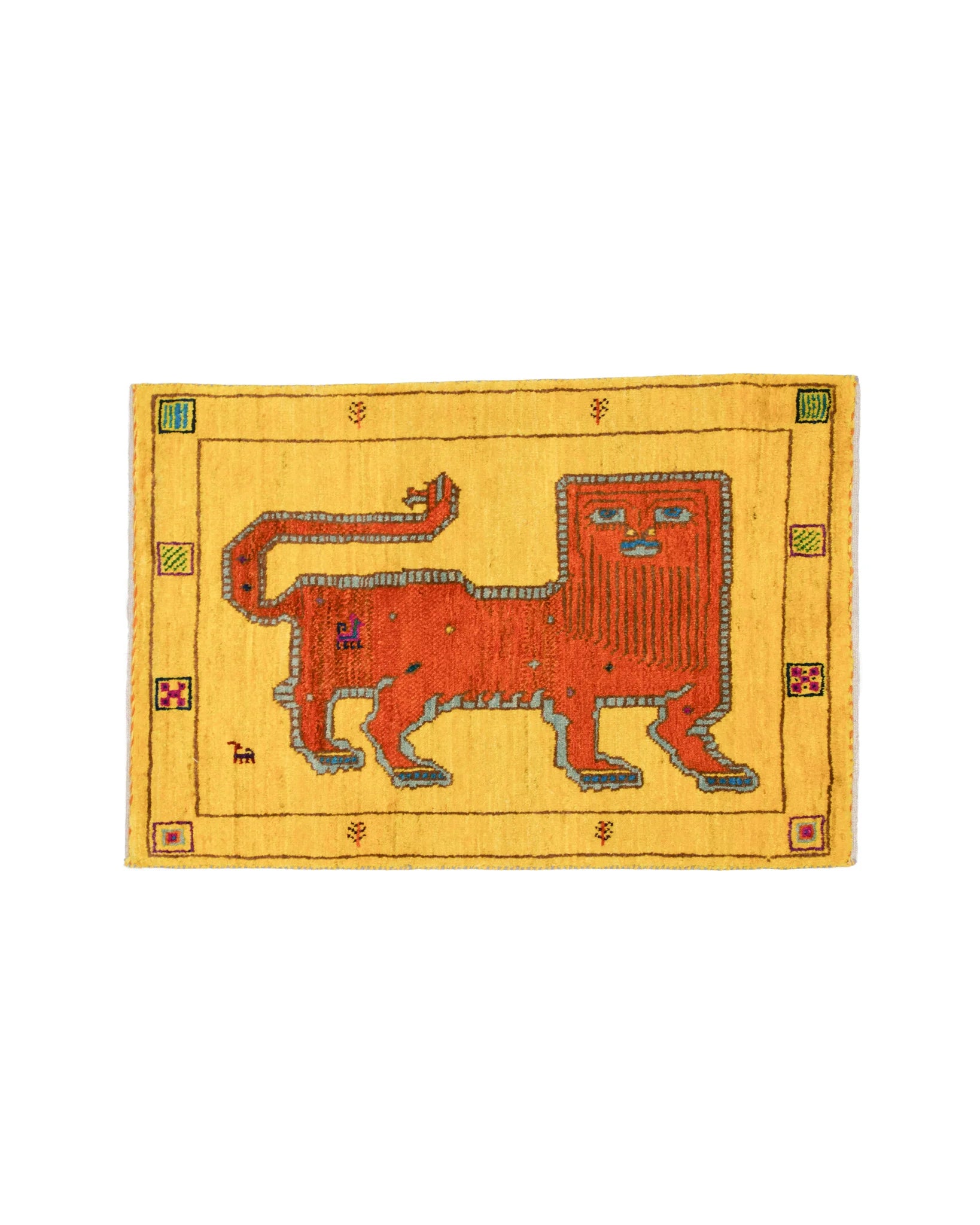





Kerman
Type: Persian Rug
Location: Southeastern Iran, Kerman Province (a plateau city at an altitude of 1750m)
Knot Density: 160,000 - 450,000 knots per square meter
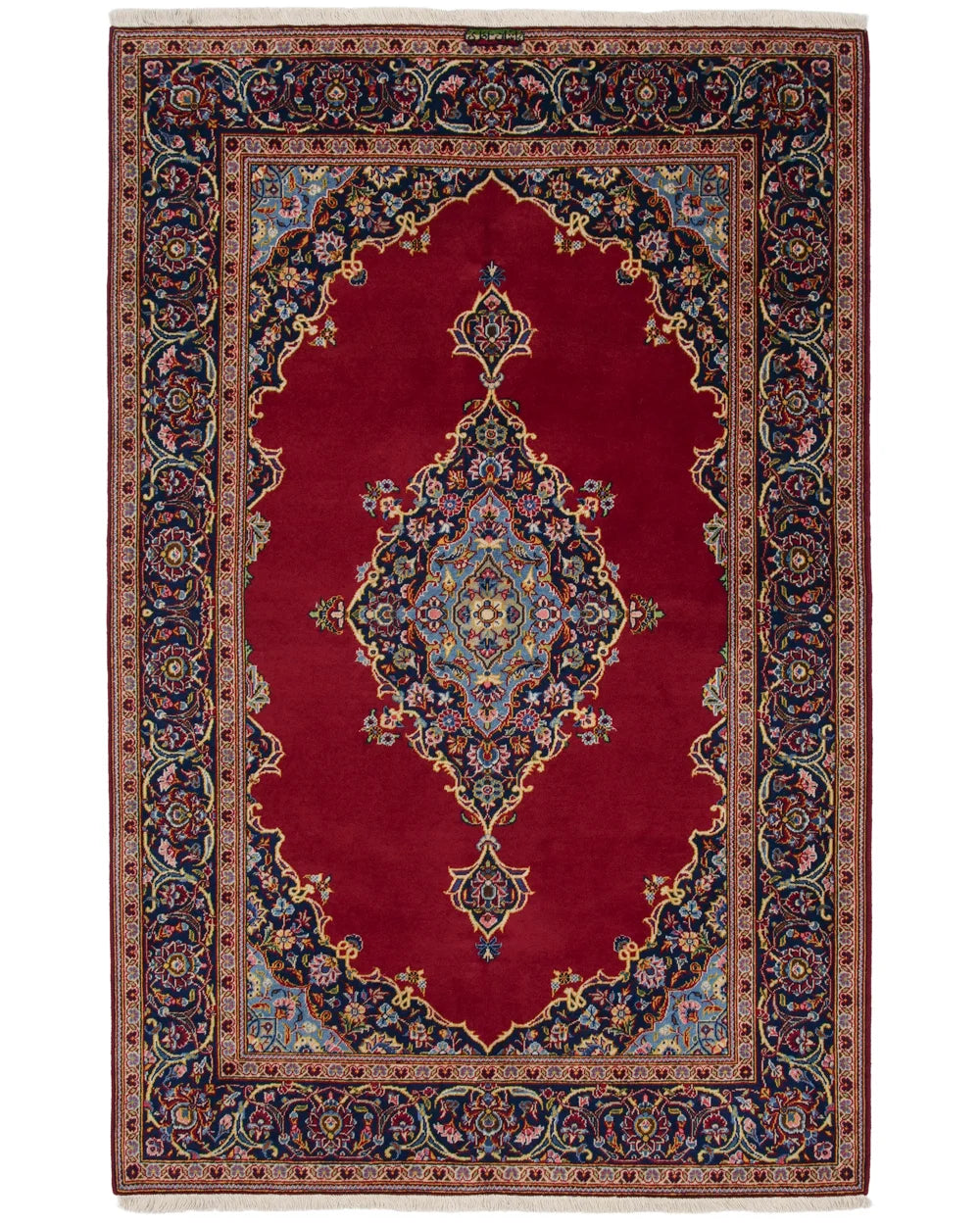
Features: Colorful floral patterns (such as thousand flower patterns and vase patterns)
Material: Wool
Kerman rugs are Persian rugs known for their colorful floral and vase patterns.
Kerman is a historic town on a high plateau in southeastern Iran, about 1,000 km from Tehran, in the arid region spreading southwest of the Lut Desert. It is a highland city with an average elevation of about 1,755 m; the climate is harsh, with little rain, scorching summers and sandstorms in spring, while autumn and winter are relatively cool and pleasant.
In this stark desert environment, people have long held a strong longing for nature. That feeling shows in the rugs' designs, and many Kerman rugs feature designs filled with colorful flowers. These patterns, which render on the weave the flowers that bloom in the desert, are also called "hezar gol" (a thousand flowers), and in them you can feel the love of nature of people living in a dry land.
Kerman has long been known as a cultural city with thriving crafts such as silk weaving and rug making, and it was also a key trading hub. It was especially important as a base on caravan routes, a place where merchants linking India and Persia came and went. Rugs woven here spread abroad early on, and records of exports to Europe already exist from the Safavid era (16th–17th centuries).
Rug weaving remains Kerman's main industry to this day, and its rugs are a traditional craft known widely around the world.
History
Rug production in Kerman has a very long history; the oldest Kerman rug yet discovered is about 500 years old. During the Safavid era in the 16th century, royal rug workshops were set up in Kerman and produced many masterpieces, including the ornate rugs then known as "vase rugs." These Safavid Kerman rugs were loved not only at the Persian court but also by European royalty and nobility, and they helped make Persian rugs known to the world. At the end of the 18th century, when civil war left the city in ruins, many weavers took refuge in Ravar, a town about 150 km northwest of Kerman, and carried on making rugs there. The Kerman rugs woven in Ravar were especially fine and of high quality, so they came to be distinguished as "Kerman Ravar." The rug industry revived in Ravar flourished again from the 19th to the early 20th century, and Kerman rugs became a major export to European and American markets.
画像:シャザデ庭園 © Diego Delso / CC BY-SA 4.0 / Wikimedia Commons