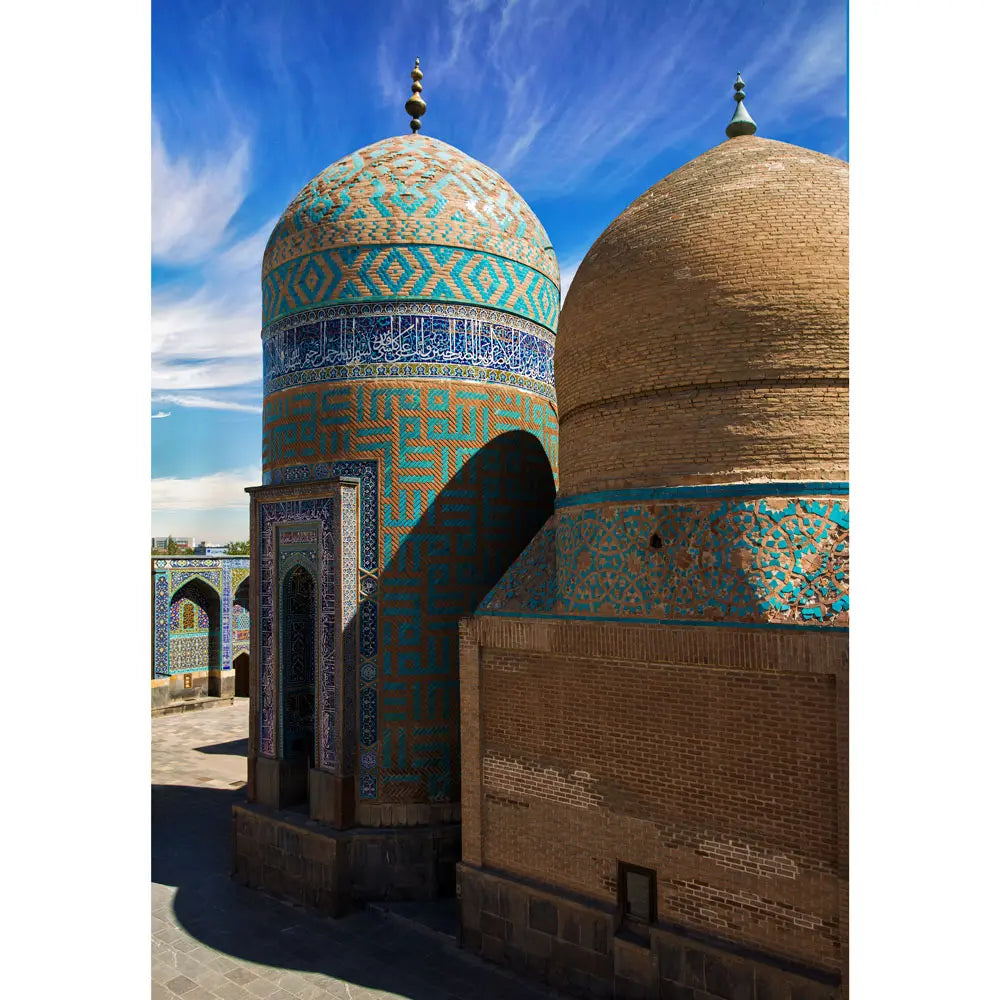
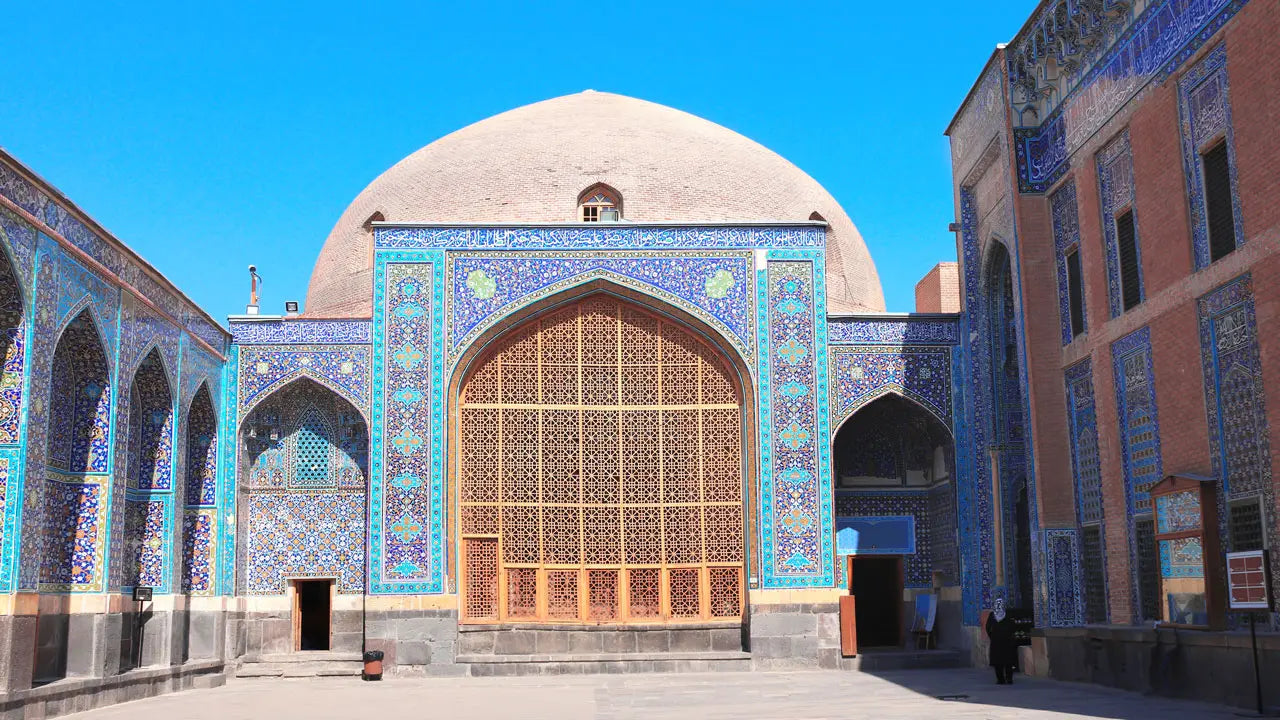
Ardabil
Type: Persian Rug
Location: Northwestern Iran, Ardabil region (near Azerbaijan border)
Knots per square meter: Approx. 100,000 - 250,000 knots
Features: Slightly thin and highly durable. Strong geometric designs.
Pile: Wool (sheep wool)
Ardabil is a city located in the northwest of Iran, approximately 480 km northwest of the capital, Tehran.
The Ardabil region, close to the Caspian Sea, has been known as a rug-producing area for a long time.
The world-famous 'Ardabil Rug' is a masterpiece named after this place, which was a site of dedication, and is considered an important cultural heritage from the Safavid era. However, the rugs woven in modern-day Ardabil are different from this historical masterpiece, the 'Ardabil Rug', as the name is derived from the shrine where it was dedicated, not the production area. It is regarded as one of the most famous Persian rugs in the world.
The exact origin of this rug is not confirmed, with multiple theories suggesting Tabriz, Kashan, Isfahan, or Kerman, and academically it is only referred to as 'the craftsmanship of artisans in northwest Iran'. It is called the 'Ardabil Rug' because it was dedicated to the Sheikh Safi al-Din shrine in Ardabil.
Later, it was sold to raise funds for the restoration of the shrine and is now housed in the Victoria and Albert Museum in London.
Ardabil is located in northwest Iran, near the Azerbaijan border, and has historically been a region with a large population of Turkic Azerbaijanis.
As a result, the rugs from this region often feature strong geometric patterns such as diamonds, octagons, and medallions, rather than Persian elements like flowers and arabesques.
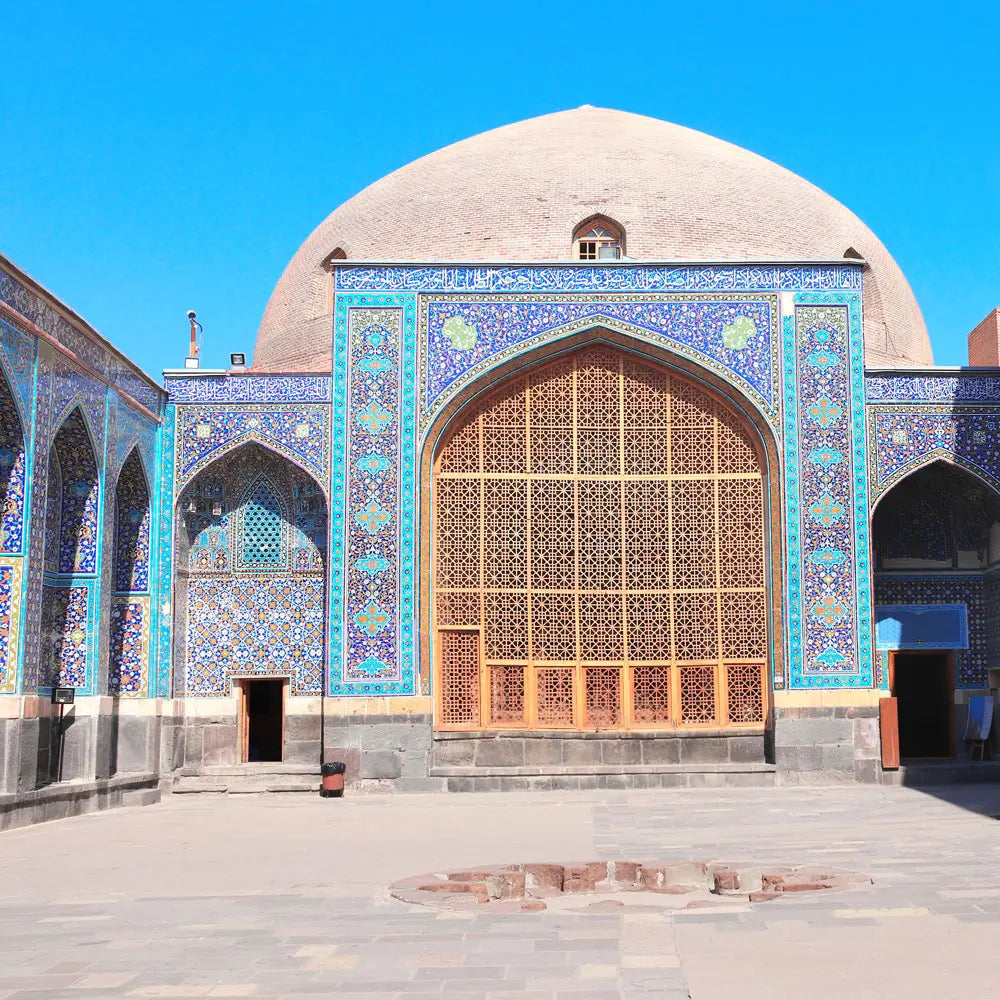
Tomb of Sheikh Safi al-Din, UNESCO World Heritage Site