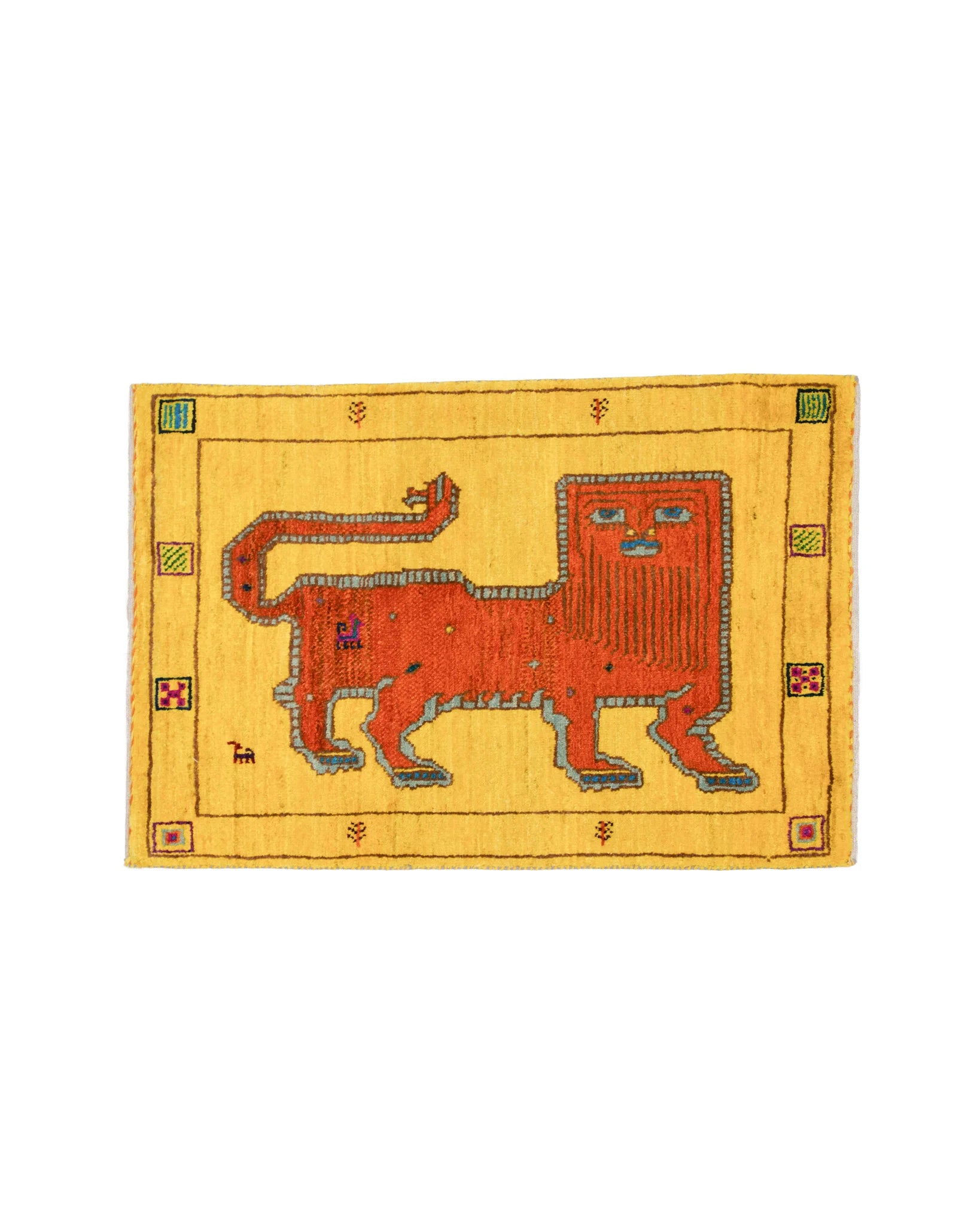


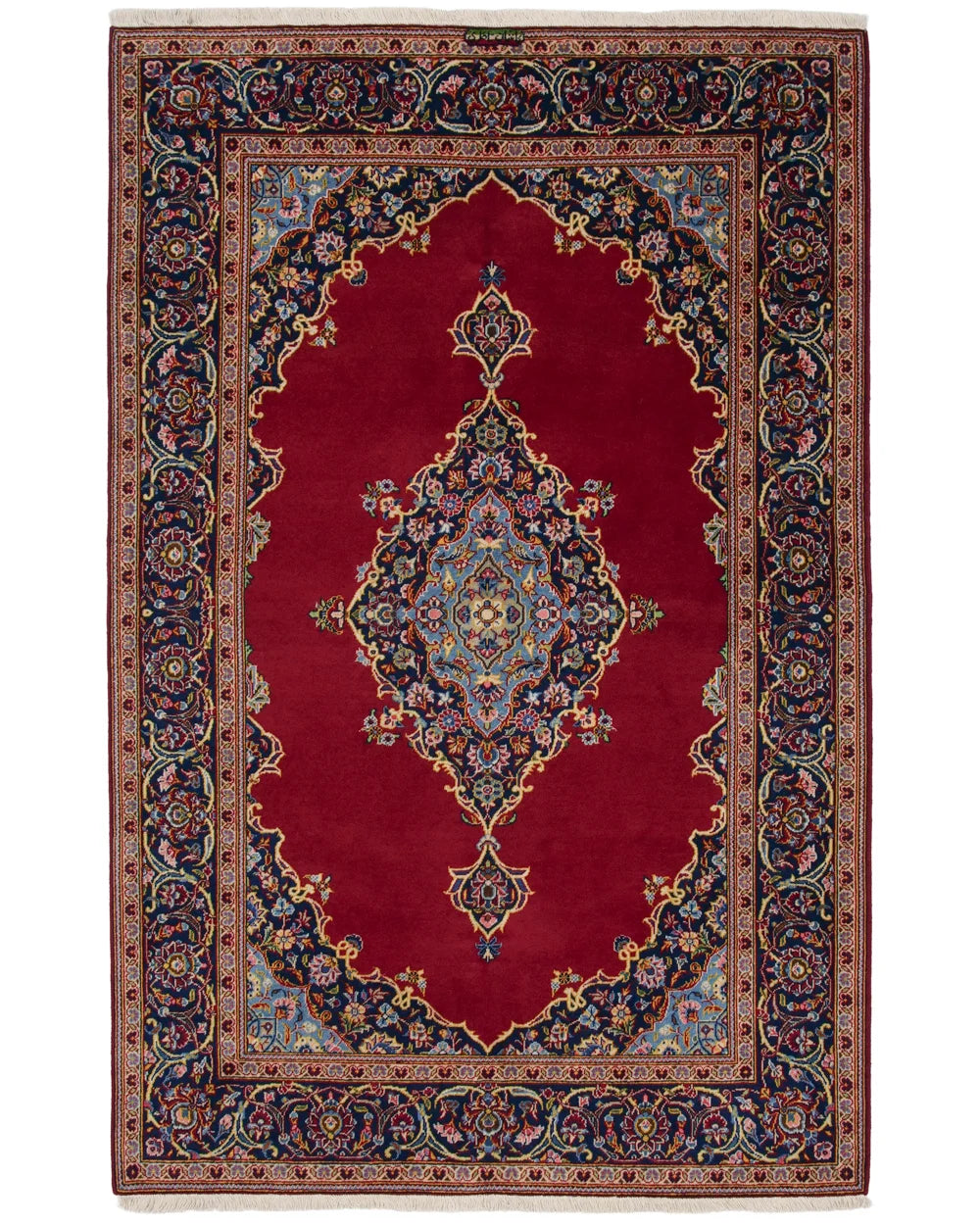



Lahore
Type: Pakistani Rug
Location: Eastern Pakistan
Knots per square meter: 160,000 - 360,000 knots
Features: High knot density, high durability, Bokhara pattern, Jaldar pattern
Pile: High-quality New Zealand wool
Lahore, Pakistan's second-largest city, has been known as a city of rugs since the Mughal era. At the end of the 16th century, the emperor made his capital here and opened a court rug workshop. Skilled craftsmen were gathered at the workshop, and many superb rugs were woven.
Mughal-era palaces and gardens, such as Lahore Fort and the Shalimar Gardens, still stand in the city today.
Quality and Characteristics of Pakistani Rugs
Pakistani rugs are hand-knotted wool rugs, woven by craftsmen who tie the yarn by hand, one knot at a time. Even among Pakistani rugs, the feel and look change a great deal depending on how fine the weave is.
Characteristics of Normal
Their appeal is the soft texture of the wool. Many are thicker than Fine, giving a plush, cushioned feel underfoot. The patterns look soft, so they settle in nicely in rooms made for relaxing. Pieces given repeated finishing washes to bring out their sheen feel especially smooth.
Characteristics of Fine
Woven more finely than Normal, so the patterns look crisp. At the same size they have far more knots and take much longer to weave. They are made from 100% New Zealand wool with the pile trimmed short, giving a clean look and a light, smooth feel. Dirt and dust don't easily get in, so they also suit dining areas and spots under furniture.
Both have a supple weave and fold compactly, making them easy to carry or hang out to air.
Comparison of Fine (left) and Normal (right)


Badshahi Mosque


